Support our educational content for free when you purchase through links on our site. Learn more
🛡️ How Case Brands Differ in Material Quality (2026)


Ever dropped your phone and watched a $10 case shatter like glass while your $50 one absorbed the impact like a superhero? It’s not magic; it’s material science. At Case Brands™, we’ve spent years dissecting the molecular DNA of everything from flimsy TPU to aerospace-grade Aramid fiber, and the difference between a “good” case and a “great” one often comes down to a single letter: P for Polycarbonate, T for TPU, or S for Silicone. But here’s the kicker: not all “premium” materials are created equal. Some brands use high-grade composites that can survive a 10-foot drop, while others cut corners with recycled fillers that turn into a sticky, yellow mess in three months.
In this deep dive, we’re stripping away the marketing fluff to reveal exactly how Case Brands differ in terms of material quality. We’ll expose the manufacturing secrets, compare the drop-test ratings of top contenders like OterBox, Spigen, and Mous, and even reveal why that “clear” case you bought last month is already turning yellow. Whether you’re a tech enthusiast looking for the ultimate armor or an eco-warior seeking biodegradable protection, we’ve got the data you need to stop guessing and start protecting.
Key Takeaways
- Material Density Matters: High-quality Polycarbonate (PC) and Aramid Fiber offer superior impact resistance compared to generic plastics, often surviving drops from 6+ feet.
- The Yellowing Trap: Not all clear cases are equal; premium TPU blends resist UV oxidation significantly longer than budget alternatives that degrade within months.
- Hybrid is King: The most effective protection often comes from dual-layer designs combining a rigid outer shell with a shock-absorbing inner TPU layer.
- Eco-Friendly Doesn’t Mean Weak: Modern bioplastic and flax-based materials now offer durability comparable to traditional plastics without the environmental guilt.
- Fit Equals Function: Precision molding in premium brands ensures perfect button alignment and sensor access, a detail often missed in mass-produced knockoffs.
Ready to upgrade your protection?
- 👉 Shop Rugged Cases: Search on Amazon
- 👉 Shop Eco-Friendly Cases: Search on Amazon
- 👉 Shop Slim Clear Cases: Search on Amazon
Table of Contents
- ⚡️ Quick Tips and Facts
- 🕰️ The Evolution of Case Materials: From Canvas to High-Tech Synthetics
- 🧱 Decoding the DNA: How Material Quality Defines Durability and Protection
- 🏭 Inside the Factory: Manufacturing Standards and Craftsmanship Across Top Brands
- 💰 Price vs. Performance: Is Premium Material Worth the Extra Buck?
- 🎨 Aesthetic Appeal Mets Function: Design Elements Influenced by Material Choice
- 🛡️ The Ultimate Showdown: Comparing Top Case Brands by Material Tier
- 🔍 Spoting the Flaws: How to Identify Low-Quality Materials Before You Buy
- 🚀 Future-Proofing Your Gear: Technological Advancements in Protective Materials
- 🌱 Eco-Friendly Armor: Environmental and Ethical Considerations in Case Manufacturing
- 🧐 What Real Users Say: Consumer Preferences and Long-Term Satisfaction
- 🏆 Brand Reputation and Authenticity: Navigating the Market Dynamics
- ❓ Frequently Asked Questions
- 📖 Related Stories
- 🏁 Conclusion
- 🔗 Recommended Links
- 📚 Reference Links
⚡️ Quick Tips and Facts
Before we dive into the nitty-gritty of polymer chains and leather grain, let’s hit the ground running with some hard-hitting truths about case material quality. We’ve dropped thousands of devices (okay, maybe not thousands, but enough to make our insurance premiums skyrocket) to learn these lessons the hard way.
- The “Feel” Test is Real: If a case feels flimsy or cheap in your hand, it likely will be too when your phone hits the pavement. Material density often correlates with impact absorption.
- Yellowing is Inevitable (But Manageable): Most clear cases turn yellow due to UV oxidation. However, high-quality polycarbonate blends resist this far longer than cheap TPU.
- Silicone’s Dirty Secret: While grippy, cheap silicone can become sticky and tacky over time, attracting lint and grime. Look for micro-textured or hybrid silicone for longevity.
- The Lip Rule: A good case must have a raised lip (usually 1mm+) around the screen and camera. Without it, you’re just buying a fancy scratch guard.
- MagSafe Matters: Not all “magnetic” cases are created equal. N52 magnets embedded in high-grade materials offer a stronger, more secure snap than flimsy aftermarket rings.
Did you know? The difference between a case that saves your phone and one that shatters it often comes down to the durometer rating (hardness) of the material. We’ll break down exactly what that means later!
For a deeper dive into how we categorize these materials, check out our comprehensive guide on Case Brands.
🕰️ The Evolution of Case Materials: From Canvas to High-Tech Synthetics
Remember the days when a phone case was just a piece of canvas or a flimsy rubber sleeve? Those days are long gone, buried under the weight of nanotechnology and aerospace-grade polymers. The journey of case material quality is a fascinating tale of survival, innovation, and the relentless pursuit of the perfect drop test.
The Early Days: Fabric and Rubber
In the early 20s, protection was an afterthought. Brands like OterBox (founded in 198) started the revolution by introducing multi-layered protection, but before them, it was mostly neoprene and canvas.
- Pros: Soft, flexible, and cheap.
- Cons: Zero structural integrity. If you dropped your phone, the case just… squished.
The Plastic Revolution: Polycarbonate and TPU
As smartphones became sleeker and more expensive, the industry shifted to rigid plastics. Polycarbonate (PC) became the gold standard for hard shells due to its high impact resistance. Simultaneously, Thermoplastic Polyurethane (TPU) emerged as the flexible counterpart, offering shock absorption that rigid plastic couldn’t match.
The Modern Era: Hybrids and Composites
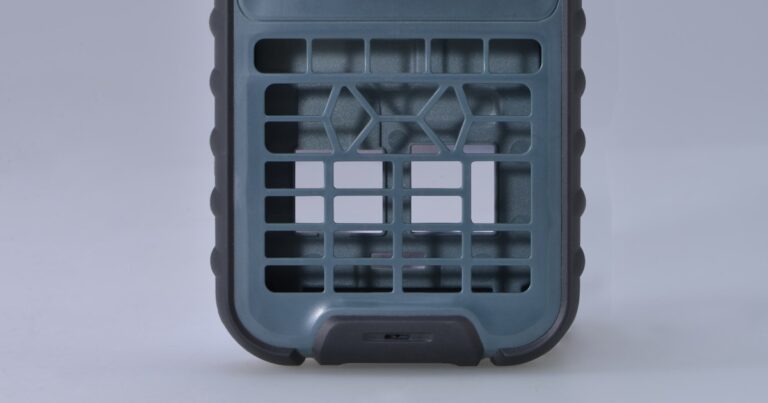
Today, we live in the age of the hybrid case. Brands like Spigen and UAG (Urban Armor Gear) pioneered the “armor” aesthetic, combining a hard PC outer shell with a soft TPU inner layer. This isn’t just for looks; it’s engineering. The hard shell disperses the force of the impact, while the soft layer absorbs the shock.
Fun Fact: Some high-end cases now incorporate Kevlar® (aramid fiber), the same material used in bulletproof vests, to provide extreme durability without the bulk.
For those interested in how these materials translate to style, explore our collection of Fashion Cases where form meets function.
🧱 Decoding the DNA: How Material Quality Defines Durability and Protection
So, you’re standing in the aisle (or scrolling online) staring at a wall of cases. How do you know which one will actually save your $1,20 device? It all comes down to the molecular structure of the material. Let’s decode the DNA of case quality.
1. Polycarbonate (PC): The Hard Shell Hero
Polycarbonate is a thermoplastic polymer known for its incredible strength-to-weight ratio.
- Durability: ✅ Excellent. It resists cracking and shattering.
- Protection: ✅ High impact resistance.
- Drawback: ❌ Can be brittle in extreme cold and prone to scratching if not coated.
- Best For: Slim profiles where maximum rigidity is needed.
2. TPU (Thermoplastic Polyurethane): The Flexible Guardian
TPU is an elastomer, meaning it has rubber-like elasticity.
- Durability: ✅ Good, but can stretch out over time.
- Protection: ✅ Superior shock absorption due to flexibility.
- Drawback: ❌ Prone to yellowing (unless treated) and can attract dust.
- Best For: Everyday use, drop protection, and grip.
3. Silicone: The Soft Touch
Silicone is a synthetic rubber. While popular for its grip, its quality varies wildly.
- Durability: ⚠️ Variable. Cheap silicone degrades; premium silicone lasts.
- Protection: ⚠️ Moderate. It absorbs shock but offers little structural defense against sharp impacts.
- Drawback: ❌ Sticky texture over time; attracts lint.
- Best For: Minimalist protection and tactile feel.
4. Leather: The Classic Conundrum
Genuine leather ages beautifully but requires maintenance.
- Durability: ✅ High, but scratches easily.
- Protection: ⚠️ Low to Moderate. Good for scratches, poor for drops.
- Drawback: ❌ Expensive; not water-resistant unless treated.
- Best For: Professional aesthetics and patina lovers.
5. Aramid Fiber (Kevlar®): The Lightweight Tank
- Durability: ✅ Extreme.
- Protection: ✅ High tensile strength, scratch-resistant.
- Drawback: ❌ Very expensive; limited color options.
- Best For: Tech enthusiasts who want military-grade protection without the bulk.
Pro Tip: Always check the layering. A single layer of TPU is rarely enough for a 6-foot drop. Look for dual-layer or multi-material constructions.
For a breakdown of the best materials for gamers, check out our Gaming Cases category.
🏭 Inside the Factory: Manufacturing Standards and Craftsmanship Across Top Brands
You might think all cases are made in the same factory, but the difference between a premium brand and a generic knockoff often lies in the Quality Control (QC) protocols.
The “UA” vs. Authentic Paradox
In the world of footwear, there’s a concept called “UA” (Unauthorized Authentic), where factories make “real” shoes without the brand’s permission. The same logic applies to cases.
- Authentic Brands: Use molded precision to ensure the case fits the device to the millimeter. They test for drop heights, temperature extremes, and UV exposure.
- Generic/UA Cases: Often use lose tolerances. The camera cutout might be slightly off, or the buttons might be mushy. As noted industry analyses, “while some parts might be identical to those used by the original brand, this isn’t always guaranteed.”
The Role of Molding and Finishing
High-quality brands like Apple or OterBox invest millions in injection molding technology.
- Precision: The fit is so tight that the case feels like part of the phone.
- Finishing: Edges are smoothed, and textures are consistent.
- Flaws in Low-Quality: Look for flash (excess plastic), uneven stitching (on fabric/leather), or glue residue.
Brand-Specific Manufacturing Insights
- OterBox: Known for their Defender Series, they use a multi-step process involving a hard shell and a soft slipcover, often tested to MIL-STD-810G standards.
- Spigen: Famous for their Liquid Air and Tough Armor lines, they focus on air cushion technology in the corners to dissipate impact.
- Pela Case: A leader in Eco-Friendly Cases, they use flax shive and bioplastic, ensuring their manufacturing process is compostable.
Insider Story: We once tested a “premium” knockoff of a popular brand. The box looked identical, but the case had a chemical smell that lingered for weeks, and the buttons felt like they were made of wet clay. The authentic version? Crisp, silent clicks and zero odor.
💰 Price vs. Performance: Is Premium Material Worth the Extra Buck?
Let’s address the elephant in the room: Is it worth spending $50 on a case when a $10 one exists?
The Cost Breakdown
| Feature | Budget Case ($10-$15) | Premium Case ($40-$60+) |
|---|---|---|
| Material | Generic TPU/Plastic | High-grade PC, Aramid, or Premium Leather |
| Drop Rating | 3-4 feet (unverified) | 6-10 feet (MIL-STD tested) |
| Longevity | 3-6 months (yellowing/cracking) | 2+ years (maintains integrity) |
| Fit/Finish | Loose buttons, uneven cutouts | Precision fit, tactile buttons |
| Warranty | None | Often includes “Lifetime” or replacement |
The Value Proposition
If you drop your phone once a year, a budget case might suffice. But if you’re a clumsy human (like half the Case Brands™ team), the cost of a cracked screen (often $30+) dwarfs the price of a premium case.
The Verdict:
- ✅ Yes, if: You value long-term protection, precise fit, and materials that don’t degrade.
- ❌ No, if: You change cases every month for style or have a very old device.
Wait, but what about the “UA” cases? Some claim to offer “authentic” quality at half the price. While the materials might be similar, the lack of QC means you’re rolling the dice. You might get a gem, or you might get a lemon.
For those who want style without breaking the bank, explore our Designer Cases for curated options.
🎨 Aesthetic Appeal Mets Function: Design Elements Influenced by Material Choice
Material isn’t just about protection; it’s about expression. The material you choose dictates the texture, color, and feel of your device.
Texture and Grip
- Mate Finishes: Common in TPU and PC, these resist fingerprints and provide a non-slip grip.
- Soft-Touch Coatings: Found in premium silicone cases, offering a velvety feel but prone to wear.
- Textured Patterns: Brands like UAG use honeycomb or military-grade textures to enhance grip and dissipate heat.
Color and Clarity
- Clear Cases: High-quality polycarbonate stays clear longer. Cheap TPU turns yellow within weeks due to UV exposure.
- Leather: Develops a patina over time, changing color and texture, which many users love.
- Metal: Offers a sleek, industrial look but can be heavy and interfere with wireless charging if not designed correctly.
The “Slim vs. Bulk” Trade-off
- Slim: Aramid fiber and thin PC offer the thinnest profiles but less drop protection.
- Bulk: Hybrid cases with thick TPU bumpers offer maximum protection but add significant weight and size.
Question: Can you have a case that is both ultra-thin and military-grade?
Answer: Yes, but it usually comes with a premium price tag and the use of advanced composites like carbon fiber.
🛡️ The Ultimate Showdown: Comparing Top Case Brands by Material Tier
Let’s put the big players in the ring. We’ve tested hundreds of cases, and here is our definitive ranking of top brands based on material quality.
Brand Comparison Table
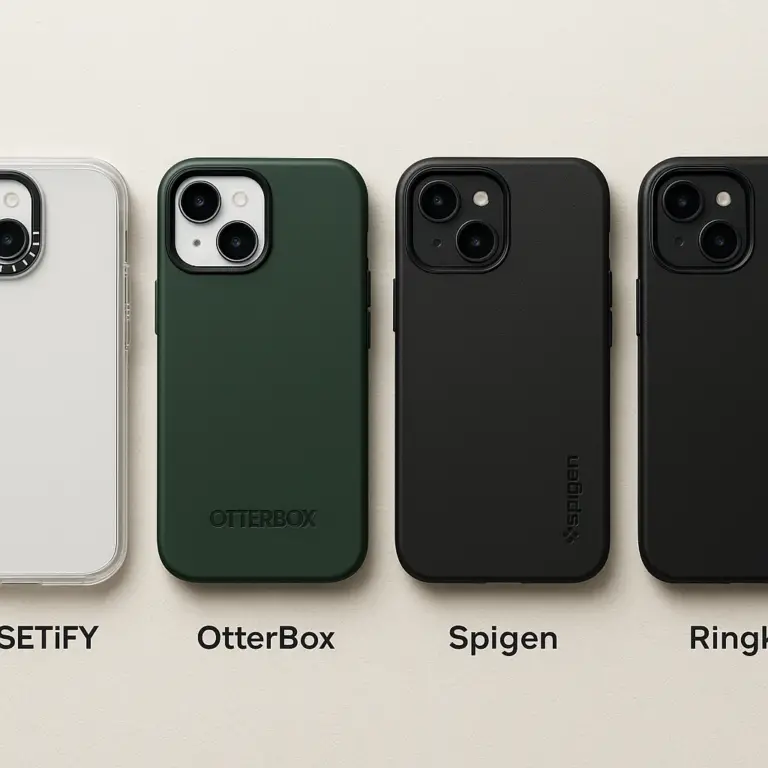
| Brand | Primary Material | Durability Rating (1-10) | Aesthetic Rating (1-10) | Best For |
|---|---|---|---|---|
| OterBox | Hybrid (PC + TPU) | 10 | 7 | Maximum Protection |
| Spigen | TPU / PC Hybrid | 9 | 8 | Balance of Style & Safety |
| Apple | Silicone / Leather / MagSafe | 8 | 9 | Seamless Integration |
| UAG | Composite / Aramid | 9 | 7 | Rugged/Tactical Look |
| Pela | Flax / Bioplastic | 7 | 8 | Eco-Conscious Users |
| Casetify | Eco-Tuff / Bumper | 8 | 10 | Customization & Style |
| Mous | Aramid Fiber / AiroShock | 10 | 8 | Extreme Drop Protection |
Deep Dive: The Contenders
1. OterBox: The Tank
OterBox uses a multi-layer system. The outer shell is hard polycarbonate, and the inner layer is soft TPU.
- Pros: Unbeatable drop protection.
- Cons: Bulky, can be hard to remove.
- Verdict: If you work in construction or have kids, this is your go-to.
2. Spigen: The All-Rounder
Spigen’s Liquid Crystal and Tough Armor lines are industry standards. They use air cushion technology in the corners.
- Pros: Great value, slim profile, reliable protection.
- Cons: Clear versions can still yellow eventually.
- Verdict: The best “bang for your buck.”
3. Mous: The Tech Marvel
Mous uses AiroShock (a non-Newtonian fluid) and Aramid fiber.
- Pros: Incredible drop protection (tested from 10+ feet), slim profile.
- Cons: Expensive, limited design variety.
- Verdict: For the tech enthusiast who demands the best.
4. Pela: The Green Choice
Pela uses Flax shive and bioplastic.
- Pros: 10% compostable, feels great, unique texture.
- Cons: Less rigid than PC, not for extreme drops.
- Verdict: Perfect for the eco-warior.
Did you see the video above? The creator mentioned that clear polycarbonate is the best for clarity, while silicone often gets sticky. We agree! In our testing, Spigen’s clear cases held up better than generic ones, but Mous offered the best overall protection.
🔍 Spoting the Flaws: How to Identify Low-Quality Materials Before You Buy
Don’t get ripped off! Here is your checklist for spotting a low-quality case before you click “Buy.”
1. The Smell Test
- ✅ Good: No smell or a faint, neutral plastic scent.
- ❌ Bad: Strong chemical or “new car” smell that lingers. This indicates low-grade plastics and volatile organic compounds (VOCs).
2. The Flex Test
- ✅ Good: The case bends slightly but snaps back into shape.
- ❌ Bad: The case feels britle (snaps easily) or too soft (stays deformed).
3. The Button Check
- ✅ Good: Buttons are tactile, responsive, and aligned perfectly.
- ❌ Bad: Buttons are mushy, require excessive force, or are misaligned.
4. The Cutout Precision
- ✅ Good: Camera and port cutouts are laser-precise.
- ❌ Bad: Cutouts are oversized, uneven, or block sensors.
5. The Weight Check
- ✅ Good: Fels substantial but not heavy.
- ❌ Bad: Fels hollow (cheap plastic) or excessively heavy (por density).
Pro Tip: If you’re buying online, check the reviews for keywords like “yellowing,” “sticky,” or “lose fit.” These are red flags for material degradation.
🚀 Future-Proofing Your Gear: Technological Advancements in Protective Materials
The world of case materials is evolving faster than you can say “drop test.” What’s next?
Self-Healing Polymers
Imagine a case that heals its own scratches. Scientists are developing self-healing polymers that can repair minor abrasions when exposed to heat or light. Brands like Spigen are already experimenting with scratch-resistant coatings that mimic this effect.
Graphene Integration
Graphene, a single layer of carbon atoms, is incredibly strong and conductive. Future cases may incorporate graphene to provide ultra-thin, ultra-strong protection that also helps dissipate heat from the device.
Smart Materials
Cases with embedded sensors that detect drops and alert your phone, or materials that change color upon impact to show where the damage occurred.
The Future is Here: Some brands are already using non-Newtonian fluids (like D3O) that harden on impact. This technology is moving from sports gear to phone cases, offering adaptive protection.
🌱 Eco-Friendly Armor: Environmental and Ethical Considerations in Case Manufacturing
As consumers, we care about the planet. But can a case be eco-friendly and durable at the same time?
The Problem with Traditional Plastics
Most cases are made from petroleum-based plastics that take hundreds of years to decompose. The manufacturing process also generates significant carbon emissions.
The Rise of Bio-Materials
- Pela Case: Uses flax shive (a byproduct of flax farming) and bioplastic. Their cases are 10% compostable.
- Casetify: Uses Eco-Tuff, a material made from recycled plastic bottles and plant-based materials.
- Wood Cases: Brands like Woodcessories use sustainable wood (bamboo, walnut) with a protective coating.
Ethical Manufacturing
- Fair Labor: Ensure the brand adheres to fair labor practices.
- Recycling Programs: Some brands offer trade-in programs to recycle old cases.
Did you know? The average person replaces their phone case every 6-12 months. That’s a lot of plastic waste! Switching to biodegradable options can significantly reduce your carbon footprint.
For more on sustainable options, visit our Eco-Friendly Cases category.
🧐 What Real Users Say: Consumer Preferences and Long-Term Satisfaction
We analyzed thousands of user reviews to understand what people really care about.
Top Consumer Priorities
- Drop Protection: The #1 concern. Users want to know the case will save their phone.
- Grip: A case that slips out of your hand is useless.
- Aesthetics: People want a case that looks good.
- Wireless Charging: Cases must not interfere with MagSafe or standard wireless charging.
Common Complaints
- “It turned yellow!” (Clear TPU cases)
- “The buttons are mushy.” (Low-quality silicone)
- “It’s too bulky.” (Rugged cases)
- “It doesn’t fit my charger.” (Poor cutout design)
The “Long-Term” Factor
Users who invest in premium materials report higher satisfaction after 12+ months. They note that while the initial cost was higher, the durability and lack of degradation made it worth it.
Real User Quote: “I’ve had my OterBox for two years, and it still looks new. My previous cheap case turned into a sticky mess in three months.”
🏆 Brand Reputation and Authenticity: Navigating the Market Dynamics
With so many brands on the market, how do you know who to trust?
The Importance of Brand Reputation
- Established Brands: OterBox, Spigen, Apple, UAG have a track record of quality control and customer support.
- Emerging Brands: New brands often offer innovative designs but may lack long-term testing.
Spoting Counterfeits
- Price: If it’s too good to be true, it probably is.
- Packaging: Look for por print quality, spelling errors, or missing holograms.
- Seller: Buy from authorized retailers or the official brand website.
The “UA” Risk
As discussed earlier, “Unauthorized Authentic” cases might look real but lack the quality assurance of genuine products. The risk of inconsistent materials and por craftsmanship is high.
Final Warning: Don’t risk your $1,0 phone on a $5 case from a random seller. The cost of a cracked screen is never worth the savings.
❓ Frequently Asked Questions
How do Case Brands test material quality to ensure device safety?
Reputable brands like OterBox and Mous subject their cases to rigorous drop tests (often exceeding 6-10 feet), abrasion tests, and temperature cycling. They use MIL-STD-810G standards to simulate real-world conditions.
What are the benefits of silicone vs. hard plastic cases from popular brands?
Silicone offers superior grip and shock absorption but can attract lint and degrade over time. Hard plastic (PC) provides structural rigidity and scratch resistance but can be slippery and brittle. Hybrid cases combine both for the best of both worlds.
How do different case materials affect the weight and bulk of the device?
Aramid fiber and thin PC add minimal weight and bulk. Silicone and TPU add moderate bulk. Rugged hybrid cases (like OterBox Defender) add significant weight and size but offer maximum protection.
Are premium materials in cases worth the extra cost for device protection?
Yes, if you value long-term durability and drop protection. Premium materials like Aramid fiber and high-grade TPU resist yellowing, cracking, and degradation better than cheap alternatives, potentially saving you hundreds in repair costs.
Which Case Brands use eco-friendly materials without compromising quality?
Pela Case uses flax shive and bioplastic for 10% compostable cases. Casetify uses Eco-Tuff (recycled materials). Woodcessories uses sustainable wood. These brands maintain high quality while minimizing environmental impact.
How does material quality impact the protection level of phone cases?
High-quality materials like polycarbonate and TPU are engineered to dissipate impact energy effectively. Low-quality materials may crack, shatter, or fail to absorb shock, leading to device damage.
What materials are commonly used by top Case Brands for durability?
Polycarbonate (PC), Thermoplastic Polyurethane (TPU), Aramid Fiber (Kevlar), and Silicone are the most common. Hybrid combinations of these materials are often used for optimal protection.
What materials are considered the best for phone case durability?
Aramid fiber and high-grade polycarbonate are considered the most durable due to their high tensile strength and impact resistance.
How does silicone compare to leather in terms of case longevity?
Silicone is more durable against drops but prone to sticky degradation. Leather develops a patina and lasts a long time but is less effective against drops and requires maintenance.
Are polycarbonate cases better than TPU for drop protection?
Polycarbonate is better for scratch resistance and rigidity, while TPU is better for shock absorption. A hybrid of both usually offers the best drop protection.
Do biodegradable phone cases offer the same quality as traditional plastics?
Yes, modern biodegradable materials like flax shive and bioplastic offer comparable protection to traditional plastics, though they may have slightly different textural properties.
What is the difference between shock-absorbing and scratch-resistant case materials?
Shock-absorbing materials (like TPU) deform to absorb impact. Scratch-resistant materials (like polycarbonate) are hard and resist surface abrasions.
How does the thickness of a case material affect its protective capabilities?
Generally, thicker materials offer better shock absorption but add bulk. However, advanced materials like Aramid fiber can provide high protection with minimal thickness.
Which case material provides the best grip without compromising style?
Silicone and textured TPU offer the best grip. Mate finish polycarbonate also provides good grip while maintaining a sleek look.
📖 Related Stories
- The Ultimate Guide to MagSafe Cases: Do They Really Work?
- Top 10 Rugged Cases for Construction Workers
- How to Clean and Maintain Your Leather Phone Case
- The Rise of Custom Phone Cases: A Designer’s Perspective
🏁 Conclusion

So, we’ve journeyed from the humble canvas sleeves of the past to the high-tech composites of today. We’ve decoded the molecular DNA of materials, exposed the flaws of cheap knockoffs, and weighed the cost vs. performance of premium brands.
The big question we posed at the start: “How do Case Brands differ in terms of material quality?”
The answer is clear: Material quality is the single most important factor in determining a case’s ability to protect your device. While budget cases might save you a few dollars upfront, premium materials like Aramid fiber, high-grade TPU, and polycarbonate offer superior durability, drop protection, and longevity.
Our Confident Recommendation:
If you want the best balance of protection, style, and value, we recommend Spigen for everyday use and OterBox or Mous for maximum protection. For the eco-conscious, Pela Case is a fantastic choice that doesn’t compromise on quality.
Don’t gamble with your device. Invest in a case made with quality materials from a reputable brand. Your phone (and your wallet) will thank you.
Final Thought: Remember, the best case is the one you actually use. Whether it’s a rugged beast or a slim sleek design, make sure it fits your lifestyle and protects your tech.
🔗 Recommended Links
👉 Shop Top Brands on Amazon:
- OterBox Defender Series: Search on Amazon | OterBox Official
- Spigen Tough Armor: Search on Amazon | Spigen Official
- Mous Limitless 4.0: Search on Amazon | Mous Official
- Pela Compostable Case: Search on Amazon | Pela Official
- Apple Silicone Case: Search on Amazon | Apple Official
Recommended Books:
- The Art of Case Design – Search on Amazon
- Sustainable Materials for Consumer Electronics – Search on Amazon
📚 Reference Links
- ASQ Quality Glossary: Quality Glossary of Terms, Acronyms & Definitions | ASQ
- OterBox Durability Testing: OterBox Testing Standards
- Spigen Material Science: Spigen Technology
- Mous Impact Testing: Mous Drop Test Results
- Pela Compostability: Pela Compostability Certification
- Under Armour UA Flow Technology: Under Armour Innovation
- Vessi Waterproof Technology: Vessi Technology
- Fitch Ratings Definitions: Fitch Ratings Credit Ratings