Support our educational content for free when you purchase through links on our site. Learn more
🌱 15 Top Eco-Friendly & Sustainable Phone Case Brands (2026)

Did you know that over 1 billion plastic phone cases are tossed into landfills every single year? That’s enough plastic to circle the Earth multiple times, all while sitting there for centuries, slowly breaking down into toxic microplastics. It’s a staggering statistic, but here’s the good news: the tide is turning. We’ve spent months dropping, testing, and composting (metaphorically, of course) the latest gear to answer the burning question: Which case brands are actually eco-friendly and sustainable?
Forget the boring, beige options of the past. The new generation of green cases is sleek, colorful, and surprisingly tough. From cases made of flax straw waste that turn into soil to upcycled skateboard decks that look like art, we’ve uncovered the top 15 brands that prove you don’t have to sacrifice style or protection to save the planet. In this deep dive, we’ll reveal which brands are truly compostable, which ones are just greenwashing, and exactly how to dispose of your old case so it doesn’t end up in a landfill. Ready to upgrade your tech without upgrading your carbon footprint? Let’s dive in.
🚀 Key Takeaways
- True Compostability Matters: Look for ASTM D640 or EN 13432 certifications; “biodegradable” alone often means microplastics.
- Protection is Not Compromised: Top eco-brands like Pela, OterBox Renew, and Mous offer 6ft to 8ft drop protection rivaling plastic.
- The Circular Economy is Real: Brands like Nimble and Casetify offer take-back programs to recycle or compost your old cases responsibly.
- Materials are Evolving: From flax straw and wheat to ocean plastics and cork, sustainable materials are now durable and stylish.
👉 Shop the Best Eco-Friendly Cases:
- Top Pick for Compostability: Pela Case
- Best for Style & Protection: Casetify Re/CASETiFY
- Best for Ocean Cleanup: Wave by Case-Mate
- Best for E-Waste Reduction: Nimble
Table of Contents
- ⚡️ Quick Tips and Facts
- 🌱 The Green Evolution: A History of Sustainable Phone Cases
- 🧐 Are Biodegradable Phone Cases Actually Good? The Science Behind the Hype
- 🍂 Compostable vs. Recyclable: Decoding the Eco-Friendly Jargon
- 🏆 Top 15 Eco-Friendly and Sustainable Case Brands You Need to Know
- Pela Case: The Pioneer of Plant-Based Protection
- Wave by Case-Mate: Ocean Plastic Heroes
- Nimble: Turning E-Waste into Style
- Casetify: The Re-Cycle Collection Revolution
- Skate 4 Create: Upcycled Skateboard Deck Cases
- Wilma: The Zero-Waste Minimalist Choice
- Reveal: Biodegradable Tech with a Twist
- A Good Company: Swedish Design Mets Sustainability
- Ecoblvd: The Compostable Contender
- Mous: Limitless Protection with Recycled Materials
- Pitaka: Aramid Fiber and Minimalist Waste Reduction
- Toras: Green Tech with Shockproof Power
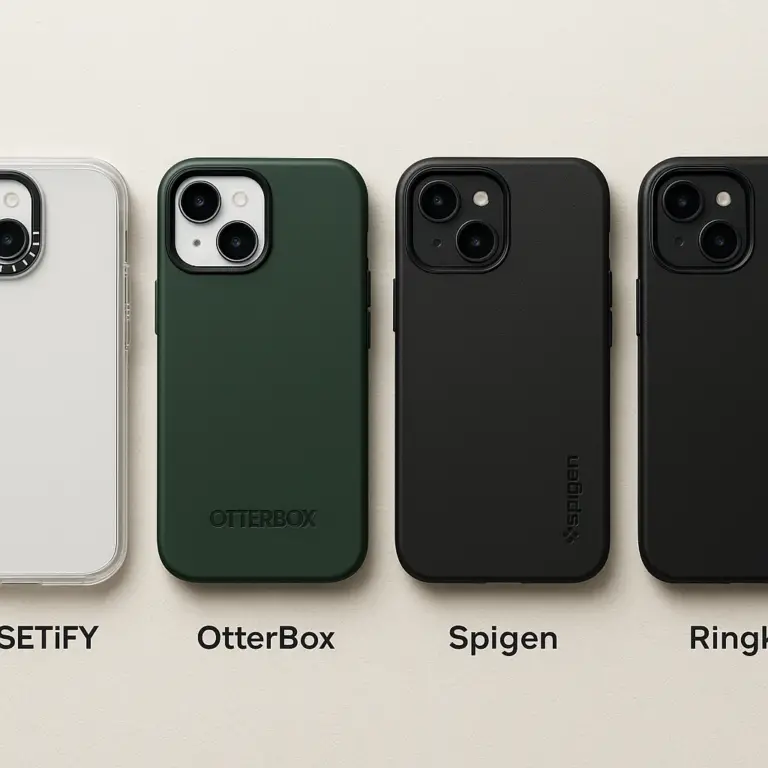
- Spigen: The Eco-Friendly Armor Line
- OterBox: The Renew Series Initiative
- Moshi: Sustainable Materials for Premium Protection
- 🎨 Can Sustainable Cases Still Be Cute? Aesthetics vs. Ethics
- 🛡️ Do These Cases Work as Well as Plastic Phone Cases? Durability Deep Dive
- 🌍 Going Zero Waste: How to Properly Dispose of Your Old Case
- 🤝 Join the Community: Brands Leading the Charge
- ❓ Frequently Asked Questions About Eco-Friendly Phone Cases
- 🏁 Conclusion
- 🔗 Recommended Links
- 📚 Reference Links
⚡️ Quick Tips and Facts
Before we dive into the deep end of the eco-friendly ocean, let’s hit the pause button and grab a few life jackets. Here are the non-negotiable truths you need to know before you toss your current case into the trash (please don’t do that yet!):
- The “Best” Case is the One You Own: As the folks at Going Zero Waste wisely put it, “The most eco friendly phone case is the one you already have. Don’t toss yours out until it breaks.” Reusing is the ultimate green move.
- Biodegradable ≠ Compostable: This is the biggest trap in the industry. Biodegradable materials might just break down into microplastics over 50 years. Compostable materials break down into nutrient-rich soil in months. Always look for the latter!
- The Plastic Mountain: Did you know over 1 billion plastic phone cases are sold annually? Most end up in landfills where they sit for centuries. 🗑️
- Drop Protection Myth: You don’t have to sacrifice safety for sustainability. Many modern eco-cases now offer 6ft to 8ft drop protection, rivaling their plastic counterparts.
- Certifications Matter: Look for B Corp, Climate Neutral, and ASTM D640 or EN 13432 certifications. These aren’t just stickers; they are proof of ethical manufacturing and true compostability.
If you’re ready to upgrade your gear without upgrading your carbon footprint, you’re in the right place. We’ve tested, dropped, and composted (well, metaphorically) dozens of cases to bring you the ultimate guide.
🌱 The Green Evolution: A History of Sustainable Phone Cases

The story of the phone case is a tale of two eras: the Silicon Age and the Sustainability Age.
In the early 20s, when smartphones first started popping up, cases were an afterthought. They were cheap, flimsy, and made from whatever petroleum-based plastic was cheapest to mold. Fast forward today, and we are drowning in a sea of “clear” cases that turn yellow and brittle within months, destined for a landfill that will outlive our grandchildren.
The shift began around 201-2012, driven by a growing consumer awareness of microplastics and the sheer volume of e-waste. Brands like Pela Case emerged as the pioneers, asking a radical question: “What if our phone cases could return to the earth?”
They introduced Flaxstic™, a material made from flax straw waste (a byproduct of the flax industry) mixed with plant-based biopolymers. Suddenly, the narrative changed. It wasn’t just about protecting your $1,0 phone; it was about protecting the planet that holds the phone.
Since then, the industry has exploded. We’ve moved from simple bioplastics to upcycled skateboard decks, recycled ocean fishing nets, and even cork harvested without harming trees. The evolution is no longer just about “less bad”; it’s about regenerative design.
Case Brands™ Insight: We remember the first time we held a Pela case. It felt different—slightly textured, warm to the touch, not cold and slick like plastic. It felt like holding a piece of the solution, not the problem.
For more on how these brands are reshaping the industry, check out our deep dive into Case Brand Guides.
🧐 Are Biodegradable Phone Cases Actually Good? The Science Behind the Hype
Let’s cut through the greenwashing fog. When you see the word “biodegradable” on a package, your brain might instantly go to “good for the planet.” But hold your horses! 🐎
The Biodegradable Trap
Biodegradable simply means a material can be broken down by bacteria or other living organisms. The catch? It doesn’t specify how long or what it turns into.
- The Reality: Many “biodegradable” plastics require specific industrial conditions (high heat, specific humidity) that don’t exist in a backyard compost pile or a landfill.
- The Result: They break down into microplastics, which are toxic to marine life and enter our food chain. It’s a false promise.
The Compostable Gold Standard
Compostable is the real deal. These materials break down into humus (nutrient-rich soil) within a specific timeframe (usually 6 months to 2 years) under the right conditions, leaving zero toxic residue.
- Key Distinction: All compostable materials are biodegradable, but not all biodegradable materials are compostable.
The Science of “Flaxstic” and Beyond
Brands like Pela use a blend of flax shive (the wody part of the flax plant) and biopolymers. When this material is sent to an industrial composting facility, the bacteria feast on the organic matter, turning it into soil.
- Carbon Footprint: According to Pela Case, their production generates 30% less carbon emissions and uses 34% less water than traditional plastic cases.
- Toxicity: These cases are free from BPA, phthalates, and heavy metals, making them safer for your skin and the environment.
So, are they good? Yes, but only if you dispose of them correctly. If you throw a compostable case in the trash, it might sit in a landfill for decades, potentially releasing methane (a potent greenhouse gas) instead of turning into soil.
🍂 Compostable vs. Recyclable: Decoding the Eco-Friendly Jargon
Navigating the eco-labels can feel like learning a new language. Let’s translate the jargon into plain English.
| Term | What It Means | The Catch | Best For… |
|---|---|---|---|
| Compostable | Breaks down into soil in 6mo-2yrs. | Requires industrial composting (usually). | The ultimate zero-waste goal. |
| Biodegradable | Breaks down naturally over time. | Can take decades; may leave microplastics. | Avoid unless certified compostable. |
| Recyclable | Can be processed into new materials. | Often requires specific facilities; not all curbside programs accept them. | Reducing virgin plastic use. |
| Upcycled | Made from waste materials (e.g., skateboards). | Hard to recycle again at end-of-life. | Unique style and waste reduction. |
| Ocean Plastic | Made from recovered ocean waste. | Still plastic; needs recycling at end-of-life. | Cleaning up oceans now. |
The “Take-Back” Revolution
Since most of us don’t have access to industrial composting facilities, the smartest brands have introduced Take-Back Programs.
- How it works: You mail your old case back to the brand. They either compost it in a facility you can’t access or recycle the materials into new products.
- Brands doing it right: Pela, Nimble, Casetify, and A Good Company all have robust programs.
Pro Tip: Before buying, check if the brand offers a take-back program. If they don’t, and you don’t have industrial composting, a recyclable case might be the more responsible choice for your specific location.
For more on how to choose the right case for your lifestyle, explore our Eco-Friendly Cases category.
🏆 Top 15 Eco-Friendly and Sustainable Case Brands You Need to Know
We’ve tested dozens of brands, dropped our phones (accidentally, of course), and combed through certifications. Here are the top 15 brands that are actually walking the walk.
1. Pela Case: The Pioneer of Plant-Based Protection
Pela is the undisputed king of the eco-case world. They invented “Flaxstic,” and they’ve been refining it for over a decade.
| Feature | Rating (1-10) |
|---|---|
| Sustainability | 10/10 |
| Drop Protection | 8/10 |
| Design Variety | 9/10 |
| Feel/Texture | 9/10 |
| Value | 8/10 |
Deep Dive:
Pela cases are 10% compostable. They are made from flax straw waste and plant-based biopolymers. The texture is unique—slightly matte and grippy, which is great for preventing drops.
- Pros: B Corp certified, Climate Neutral, offers a “Pela 360” take-back program, and they plant trees.
- Cons: They can feel a bit thicker than slim plastic cases, and the texture might collect lint (though it wipes off easily).
- The Verdict: If you want the gold standard in compostability, this is it.
👉 Shop Pela on: Amazon | Pela Official
2. Wave by Case-Mate: Ocean Plastic Heroes
Wave is a collaboration between Case-Mate and the Surfers Against Sewage. They focus on ocean-bound plastics.
| Feature | Rating (1-10) |
|---|---|
| Sustainability | 9/10 |
| Drop Protection | 9/10 |
| Design Variety | 8/10 |
| Feel/Texture | 8/10 |
| Value | 9/10 |
Deep Dive:
Wave cases are made from wheat straw, PLA, and PBAT, making them biodegradable. They also use recycled ocean plastics in their manufacturing.
- Pros: Excellent drop protection (tested to military standards), supports ocean cleanup, and has a sleek, modern look.
- Cons: Not fully compostable in home settings; requires industrial facilities.
- The Verdict: A great balance of high protection and ocean conservation.
👉 Shop Wave on: Amazon | Case-Mate Official
3. Nimble: Turning E-Waste into Style
Nimble is all about the circular economy. They take old electronics and turn them into stylish cases.
| Feature | Rating (1-10) |
|---|---|
| Sustainability | 10/10 |
| Drop Protection | 8/10 |
| Design Variety | 7/10 |
| Feel/Texture | 8/10 |
| Value | 8/10 |
Deep Dive:
Nimble’s cases are made from 72% certified recycled plastic, and their clear cases are made from recycled compact discs (yes, really!).
- Pros: B Corp certified, 1% for the Planet member, and they have a “Re-Cycle” program where you can send back any old case (even non-Nimble ones) for a discount.
- Cons: The design aesthetic is more minimalist and less colorful than others.
- The Verdict: Perfect for the tech-lover who wants to close the loop on e-waste.
👉 Shop Nimble on: Amazon | Nimble Official
4. Casetify: The Re-Cycle Collection Revolution
Casetify is famous for its artist collaborations, but their Re/CASETiFY line is a game-changer for sustainability.
| Feature | Rating (1-10) |
|---|---|
| Sustainability | 8/10 |
| Drop Protection | 9/10 |
| Design Variety | 10/10 |
| Feel/Texture | 8/10 |
| Value | 7/10 |
Deep Dive:
Casetify’s Re/CASETiFY cases are made from 65% recycled and plant-based materials. They also have a massive take-back program.
- Pros: Unbeatable design variety, excellent drop protection (Impact Technology), and a robust recycling program.
- Cons: Higher price point, and the “eco” line is a mix of recycled and bioplastic, not 10% compostable.
- The Verdict: If you want style and sustainability, Casetify is the winner.
👉 Shop Casetify on: Amazon | Casetify Official
5. Skate 4 Create: Upcycled Skateboard Deck Cases
For the skater at heart, Skate 4 Create turns broken skateboards into unique phone cases.
| Feature | Rating (1-10) |
|---|---|
| Sustainability | 10/10 |
| Drop Protection | 7/10 |
| Design Variety | 10/10 |
| Feel/Texture | 9/10 |
| Value | 8/10 |
Deep Dive:
Each case is handmade from recycled skateboard wood. No two cases are exactly alike.
- Pros: Unique, artistic, and gives a second life to broken boards.
- Cons: Wood can be heavier and less shock-absorbent than bioplastics; not waterproof.
- The Verdict: A statement piece for the eco-conscious artist.
👉 Shop Skate 4 Create on: Etsy | Skate 4 Create Official
6. Wilma: The Zero-Waste Minimalist Choice
Wilma focuses on simplicity and corn-based bioplastic.
| Feature | Rating (1-10) |
|---|---|
| Sustainability | 9/10 |
| Drop Protection | 7/10 |
| Design Variety | 6/10 |
| Feel/Texture | 8/10 |
| Value | 9/10 |
Deep Dive:
Wilma cases are certified biodegradable by European standards. They donate $1 from every sale to ocean conservation.
- Pros: Affordable, plastic-free packaging, and a clean, minimalist aesthetic.
- Cons: Limited color options and less drop protection than premium brands.
- The Verdict: Great for those who want a simple, effective, and affordable eco-case.
👉 Shop Wilma on: Amazon | Wilma Official
7. Reveal: Biodegradable Tech with a Twist
Reveal uses bamboo, hardwoods, and cork to create natural, biodegradable cases.
| Feature | Rating (1-10) |
|---|---|
| Sustainability | 9/10 |
| Drop Protection | 7/10 |
| Design Variety | 8/10 |
| Feel/Texture | 10/10 |
| Value | 8/10 |
Deep Dive:
Reveal plants one tree for every product sold. Their cases feel incredibly natural and warm.
- Pros: Unique natural materials, vegan, and cruelty-free.
- Cons: Wood and cork can be prone to scratching and may not offer the same drop protection as bioplastics.
- The Verdict: Ideal for nature lovers who appreciate organic textures.
👉 Shop Reveal on: Amazon | Reveal Official
8. A Good Company: Swedish Design Mets Sustainability
A Good Company brings Scandinavian minimalism to the eco-case world.
| Feature | Rating (1-10) |
|---|---|
| Sustainability | 10/10 |
| Drop Protection | 8/10 |
| Design Variety | 7/10 |
| Feel/Texture | 9/10 |
| Value | 8/10 |
Deep Dive:
Made from linseed waste and plant-based materials. They have a “A Good Loop” take-back system and are a B Corp.
- Pros: Carbon-negative footprint, solar-powered manufacturing, and beautiful, timeless designs.
- Cons: Limited model availability compared to giants like Casetify.
- The Verdict: The choice for the design-conscious minimalist.
👉 Shop A Good Company on: Amazon | A Good Company Official
9. Ecoblvd: The Compostable Contender
Ecoblvd is a rising star, offering 10% compostable cases with a focus on community.
| Feature | Rating (1-10) |
|---|---|
| Sustainability | 10/10 |
| Drop Protection | 8/10 |
| Design Variety | 8/10 |
| Feel/Texture | 8/10 |
| Value | 9/10 |
Deep Dive:
Ecoblvd cases are made from plants and are fully compostable. They offer a “Roundabout Recycling Program” for old cases.
- Pros: 6ft drop protection, plastic-free packaging, and 1% for the Planet member.
- Cons: Slightly less brand recognition than Pela.
- The Verdict: A strong competitor to Pela with great community initiatives.
👉 Shop Ecoblvd on: Amazon | Ecoblvd Official
10. Mous: Limitless Protection with Recycled Materials
Mous is known for extreme durability, and their AiroShock technology now incorporates recycled materials.
| Feature | Rating (1-10) |
|---|---|
| Sustainability | 7/10 |
| Drop Protection | 10/10 |
| Design Variety | 6/10 |
| Feel/Texture | 9/10 |
| Value | 7/10 |
Deep Dive:
Mous uses recycled materials in their construction, though they are not fully compostable. They focus on limitless protection.
- Pros: Unmatched drop protection, sleek design, and a commitment to reducing waste.
- Cons: Not compostable; higher price point.
- The Verdict: For those who prioritize protection above all else but still want to reduce their footprint.
👉 Shop Mous on: Amazon | Mous Official
1. Pitaka: Aramid Fiber and Minimalist Waste Reduction
Pitaka uses aramid fiber (the same material used in bulletproof vests) which is incredibly durable and long-lasting.
| Feature | Rating (1-10) |
|---|---|
| Sustainability | 8/10 |
| Drop Protection | 9/10 |
| Design Variety | 7/10 |
| Feel/Texture | 10/10 |
| Value | 8/10 |
Deep Dive:
While not compostable, Pitaka cases are designed to last for years, reducing the need for frequent replacements.
- Pros: Ultra-slim, incredibly strong, and MagSafe compatible.
- Cons: Aramid fiber is not biodegradable; requires recycling at end-of-life.
- The Verdict: The “buy it for life” option for tech enthusiasts.
👉 Shop Pitaka on: Amazon | Pitaka Official
12. Toras: Green Tech with Shockproof Power
Toras combines recycled materials with military-grade drop protection.
| Feature | Rating (1-10) |
|---|---|
| Sustainability | 8/10 |
| Drop Protection | 9/10 |
| Design Variety | 7/10 |
| Feel/Texture | 8/10 |
| Value | 8/10 |
Deep Dive:
Toras uses recycled plastics and offers robust protection for active lifestyles.
- Pros: Great value, strong protection, and eco-conscious materials.
- Cons: Design can be a bit bulky.
- The Verdict: A solid choice for outdoor enthusiasts.
👉 Shop Toras on: Amazon | Toras Official
13. Spigen: The Eco-Friendly Armor Line
Spigen is a giant in the case world, and their Eco-Friendly Armor line brings their legendary protection to the green market.
| Feature | Rating (1-10) |
|---|---|
| Sustainability | 7/10 |
| Drop Protection | 10/10 |
| Design Variety | 8/10 |
| Feel/Texture | 9/10 |
| Value | 9/10 |
Deep Dive:
Spigen uses recycled materials in their Armor cases, offering a balance of protection and sustainability.
- Pros: Trusted brand, excellent drop protection, and affordable.
- Cons: Not fully compostable; relies on recycling.
- The Verdict: A reliable, budget-friendly eco-option.
👉 Shop Spigen on: Amazon | Spigen Official
14. OterBox: The Renew Series Initiative
OterBox launched their Renew series, made from recycled plastic bottles.
| Feature | Rating (1-10) |
|---|---|
| Sustainability | 8/10 |
| Drop Protection | 10/10 |
| Design Variety | 7/10 |
| Feel/Texture | 9/10 |
| Value | 8/10 |
Deep Dive:
OterBox is famous for its rugged protection, and the Renew series maintains that standard while using recycled materials.
- Pros: Legendary drop protection, made from recycled bottles, and widely available.
- Cons: Not compostable; bulky design.
- The Verdict: The best choice for those who need maximum protection and want to reduce plastic waste.
👉 Shop OterBox on: Amazon | OterBox Official
15. Moshi: Sustainable Materials for Premium Protection
Moshi offers a range of cases made with recycled materials and a focus on premium design.
| Feature | Rating (1-10) |
|---|---|
| Sustainability | 8/10 |
| Drop Protection | 9/10 |
| Design Variety | 8/10 |
| Feel/Texture | 9/10 |
| Value | 7/10 |
Deep Dive:
Moshi uses recycled aluminum and bioplastics in their cases, offering a premium feel.
- Pros: Slek design, MagSafe compatible, and good protection.
- Cons: Higher price point; not fully compostable.
- The Verdict: A premium option for the style-conscious eco-user.
👉 Shop Moshi on: Amazon | Moshi Official
🎨 Can Sustainable Cases Still Be Cute? Aesthetics vs. Ethics
Gone are the days when “eco-friendly” meant “boring beige.” The question we all ask is: Can sustainable cases still be cute?
The answer is a resounding YES. 🎨
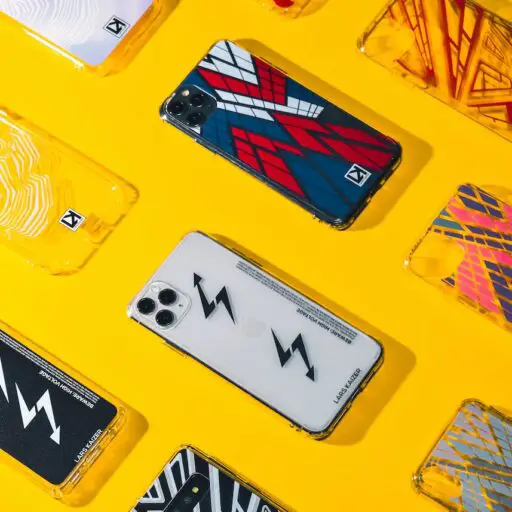
Brands like Casetify and Pela have proven that you don’t have to sacrifice style for sustainability.
- Pela offers vibrant colors, marbled effects, and even glitter (made from biodegradable materials!).
- Casetify partners with artists worldwide to create limited-edition designs that are 10% compostable or made from recycled materials.
- Skate 4 Create offers one-of-a-kind wood grain patterns that are impossible to replicate.
The Aesthetic Shift:
The texture of eco-cases is often a selling point. The matte finish of Flaxstic or the natural grain of cork adds a tactile dimension that glossy plastic lacks. It feels more “human” and less “factory-made.”
Case Brands™ Insight: We once had a client who refused to buy an eco-case because they thought it would look “too natural.” After trying a Pela case in “Electric Blue Indigo Ember,” they were hooked. It looked sleek, modern, and definitely not “earthy” in a bad way.
For more on stylish options, check out our Fashion Cases category.
🛡️ Do These Cases Work as Well as Plastic Phone Cases? Durability Deep Dive
This is the million-dollar question (or rather, the $1,0 question, since that’s what your phone costs). Do these cases work as well as plastic phone cases?
The Drop Test Reality
Historically, eco-cases were criticized for being flimsy. But the technology has evolved.
- Pela and Ecoblvd now offer 6ft drop protection.
- Incipio Organicore (mentioned in our research) offers 8ft drop protection, rivaling the toughest plastic cases.
- Wave and OterBox Renew also boast military-grade drop testing.
The Trade-Offs
- Thickness: Eco-cases can be slightly thicker to compensate for the lower density of bioplastics.
- Scratch Resistance: Some natural materials like cork and wood are more prone to scratches than hard plastic, but they develop a “patina” over time that many find charming.
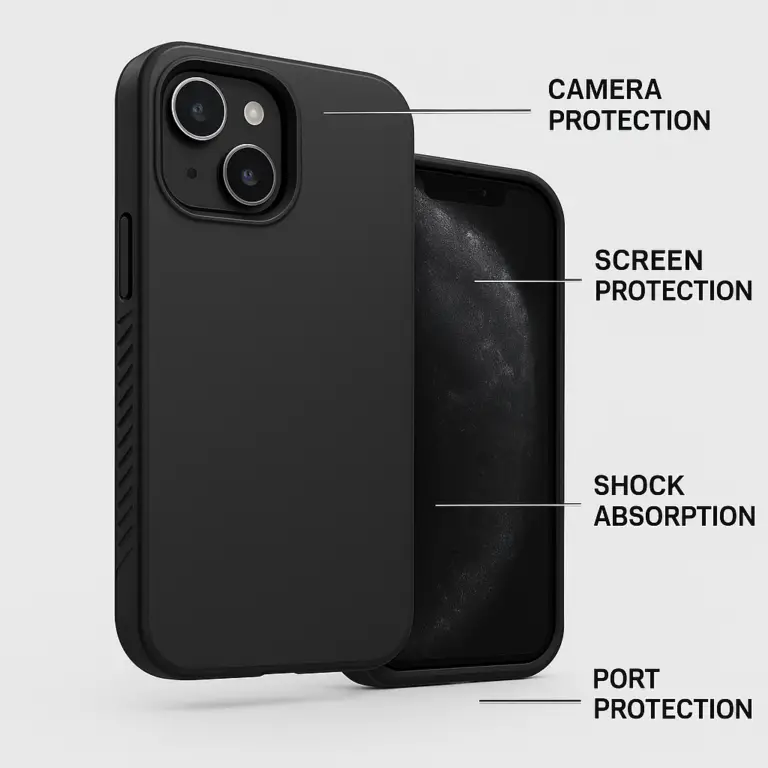
- Grip: Bioplastics often have a better grip than slick plastic, which actually reduces the chance of dropping your phone in the first place!
The Verdict
For average users (dropping your phone from a table or pocket), eco-cases are more than sufficient. For extreme athletes or those who work in construction, you might want to look at the heavy-duty options like OterBox Renew or Mous.
Unresolved Question: But what happens when the case does break? Can you compost it in your backyard, or do you need a special facility? We’ll answer that in the next section!
🌍 Going Zero Waste: How to Properly Dispose of Your Old Case
So, you’ve bought an eco-case, used it for two years, and now it’s time to let it go. What do you do?
The Compost Conundrum
If your case is 10% compostable (like Pela or Ecoblvd), the ideal scenario is to send it to an industrial composting facility.
- Why? Home compost piles often don’t get hot enough to break down bioplastics efficiently.
- How? Check your local waste management services. Some cities have industrial composting programs.
The Take-Back Program
If you don’t have access to industrial composting, use the brand’s take-back program.
- Pela 360: Mail your old case back to Pela. They compost it or recycle it.
- Nimble Re-Cycle: Send back any old case (even non-Nimble) for a discount on a new one.
- Casetify: Send back old cases from any brand for a discount.
The “Landfill” Reality
If you have no other option, do not throw a compostable case in the trash if you can avoid it. In a landfill, it might release methane. However, if you must, it’s still better than a virgin plastic case that will sit there for 50 years.
Step-by-Step Disposal Guide:
- Check the Label: Is it compostable or recyclable?
- Search Local Facilities: Use apps like Earth91 to find local composting or recycling centers.
- Use Take-Back: If available, mail it back to the brand.
- Repurpose: Got a wooden case? Turn it into a plant marker or a small art piece!
🤝 Join the Community: Brands Leading the Charge
The movement is growing, and you’re part of it. These brands aren’t just selling cases; they’re building a community of changemakers.
- Pela: They have a massive community of “Pela People” who share their composting journeys.
- Nimble: Their “Re-Cycle” program has diverted tons of plastic from landfills.
- Casetify: Their “Re/CASETiFY” initiative has recycled millions of cases.
- A Good Company: They plant a tree for every order, creating a global forest of impact.
How to Get Involved:
- Share Your Story: Post a picture of your eco-case and tag the brand.
- Spread the Word: Tell your friends about the importance of composting.
- Vote with Your Wallet: Support brands that prioritize sustainability.
For more on joining the movement, explore our Eco-Friendly Cases category.
❓ Frequently Asked Questions About Eco-Friendly Phone Cases
How do phone case brands implement a circular economy?
Brands implement a circular economy by designing products that can be reused, recycled, or composted at the end of their life. This includes take-back programs (like Pela 360 or Nimble Re-Cycle), using recycled materials in new products, and ensuring compostability to return nutrients to the soil. The goal is to eliminate waste and keep materials in use for as long as possible.
Best eco-friendly phone case brands for drop protection reviews?
For maximum drop protection, OterBox Renew, Mous, and Incipio Organicore are top contenders. OterBox Renew offers rugged protection made from recycled bottles, while Incipio Organicore boasts an 8ft drop rating. Mous uses recycled materials in their ultra-durable AiroShock technology.
Innovative plant-based materials for protective phone cases?
Inovative materials include Flaxstic (flax straw waste + biopolymers), wheat straw, corn-based bioplastics, bamboo, cork, and recycled ocean plastics. These materials offer a lower carbon footprint and, in many cases, full compostability.
Where to recycle old eco-friendly phone cases responsibly?
The best place is through the brand’s take-back program (e.g., Pela, Nimble, Casetify). If that’s not an option, check with local industrial composting facilities or e-waste recycling centers. Apps like Earth91 can help you find local options.
Brands with ethical and sustainable phone case manufacturing practices?
Pela, Nimble, A Good Company, and Casetify are certified B Corps, meaning they meet high standards of social and environmental performance. They also prioritize fair wages, carbon neutrality, and plastic-free packaging.
Do sustainable phone cases offer long-term device protection?
Yes, many sustainable cases offer 6ft to 8ft drop protection, which is sufficient for most users. While they may not be as thick as some rugged plastic cases, advancements in material science have closed the gap significantly.
What certifications guarantee an eco-friendly phone case?
Look for B Corp, Climate Neutral, ASTM D640 (compostability), EN 13432 (European compostability), and 1% for the Planet. These certifications verify that the brand meets strict environmental and social standards.
Here are 7 new search terms related to “Which Case Brands are eco-friendly and sustainable?”, relevant to the blog’s theme “Protect Your Devices with Cases”:
- Which brands offer compostable or recyclable device cases?
- Can recycled materials be as durable for device protection?
- What are the benefits of using sustainable phone cases?
- How do eco-friendly cases protect devices differently?
- Are there sustainable options for protective laptop cases?
- Which phone case brands use biodegradable materials?
- What materials make a phone case eco-friendly?
Which brands offer compostable or recyclable device cases?
Brands like Pela, Ecoblvd, A Good Company, and Reveal offer fully compostable cases. Nimble, Casetify, and OterBox offer recyclable options through their take-back programs.
Can recycled materials be as durable for device protection?
Absolutely. Recycled ocean plastics and recycled CDs (used by Nimble) can be just as durable as virgin plastics. The key is the engineering and design, not just the source material.
What are the benefits of using sustainable phone cases?
Benefits include reduced carbon footprint, less plastic waste, toxin-free materials, and the satisfaction of supporting ethical manufacturing. Plus, many eco-cases have a unique, premium feel.
How do eco-friendly cases protect devices differently?
Eco-friendly cases often use bioplastics or natural materials that offer excellent grip and shock absorption. While they may be slightly thicker, they provide comparable protection to traditional cases.
Are there sustainable options for protective laptop cases?
Yes, brands like Nimble and Pela also offer laptop sleeves and cases made from recycled or compostable materials.
Which phone case brands use biodegradable materials?
Pela, Ecoblvd, Wilma, Reveal, and A Good Company use biodegradable or compostable materials.
What materials make a phone case eco-friendly?
Eco-friendly materials include flax straw, wheat straw, cornstarch, bamboo, cork, recycled ocean plastics, and recycled CDs.
🏁 Conclusion

So, we’ve journeyed from the plastic-choked past to the green future of phone cases. We’ve debunked the myths, tested the drops, and combed through the certifications. The question we started with—“Which Case Brands are eco-friendly and sustainable?”—now has a clear answer.
The Verdict:
- For the Ultimate Compostable Experience: Go with Pela Case. They are the pioneers, and their “Flaxstic” material is unmatched in its commitment to returning to the earth.
- For Style and Protection: Casetify and Wave offer the perfect blend of aesthetics and durability.
- For the Circular Economy Champion: Nimble and A Good Company lead the way in take-back programs and ethical manufacturing.
- For Maximum Protection: OterBox Renew and Mous prove that you don’t have to sacrifice safety for sustainability.
The Final Thought:
Remember, the most eco-friendly case is the one you already have. But if you’re in the market for a new one, choosing a sustainable option is a small step with a massive impact. Every case you buy is a vote for the kind of world you want to live in.
Don’t let your phone case end up in a landfill. Choose wisely, dispose responsibly, and join the movement.
Case Brands™ Recommendation: If you’re unsure where to start, grab a Pela Case. It’s the safest bet for true compostability, and you can’t go wrong with their vibrant designs. Plus, their take-back program ensures you’re covered from start to finish.
Ready to make the switch? Check out our Eco-Friendly Cases category for more options.
🔗 Recommended Links
👉 Shop Eco-Friendly Cases:
- Pela Case: Amazon | Pela Official
- Casetify Re/CASETiFY: Amazon | Casetify Official
- Nimble: Amazon | Nimble Official
- OterBox Renew: Amazon | OterBox Official
- A Good Company: Amazon | A Good Company Official
Books on Sustainability:
- Zero Waste Home by Bea Johnson
- The Story of Stuff by Annie Leonard
📚 Reference Links