Support our educational content for free when you purchase through links on our site. Learn more
💸 Are Expensive Case Brands Worth It? (2026 Verdict)


We’ve all been there: you’re standing in the electronics aisle (or scrolling through Amazon), staring at a sleek, $60 case made of “military-grade aramid fiber” right next to a flimsy $5 plastic shell. Your brain screams, “It’s just a phone case!” while your wallet screams, “Wait, that’s the price of a new screen protector!” But here’s the kicker: did you know the average smartphone owner drops their device four times a week? That’s nearly 20 drops a year! If you’re one of the “clumsy” ones, that $5 case might be the difference between a scratch and a shattered motherboard.
In this deep dive, we’re not just guessing; we’re breaking down the science of shock absorption, testing real-world drop scenarios, and revealing the hidden costs of “bargain bin” buys. We’ll even spill the beans on a shocking drop test where a budget case outperformed a premium one in a single instance, but failed miserably over time. Spoiler alert: the answer isn’t a simple yes or no—it depends entirely on your risk profile and how long you plan to keep your device.
Key Takeaways
- Protection isn’t linear: Paying more doesn’t always guarantee better drop protection, but premium brands offer consistent engineering and material durability that cheap cases lack over time.
- Know your risk: If you work in construction, have kids, or are prone to drops, investing in a rugged, high-end case is a financial no-brainer compared to repair costs.
- Material matters: Premium cases utilize advanced materials like Aramid Fiber and hybrid polymers to dissipate energy, whereas budget cases often transfer shock directly to your screen.
- Long-term value: While expensive cases cost more upfront, their longevity and ability to maintain device resale value often make them cheaper in the long run.
- The MagSafe factor: If you use wireless chargers or accessories, premium cases ensure strong magnetic alignment and prevent overheating, a common issue with cheap knock-offs.
👉 Shop Top-Rated Cases:
- Rugged Protection: OterBox Defender Series | UAG Monarch
- Slim & Stylish: Spigen Tough Armor | Apple MagSafe Cases
- Premium Materials: Pitaka Aramid Fiber | Casetify Impact Cases
Table of Contents
- ⚡️ Quick Tips and Facts
- 🕰️ The Evolution of Device Armor: A Brief History of Case Brands
- 💸 The Price Tag Paradox: Are Expensive Case Brands Actually Worth It?
- 🛡️ Material Matters: Comparing Premium Polymers, Aramid Fibers, and Military-Grade Armor
- 📉 The Diminishing Returns of High-End Protection
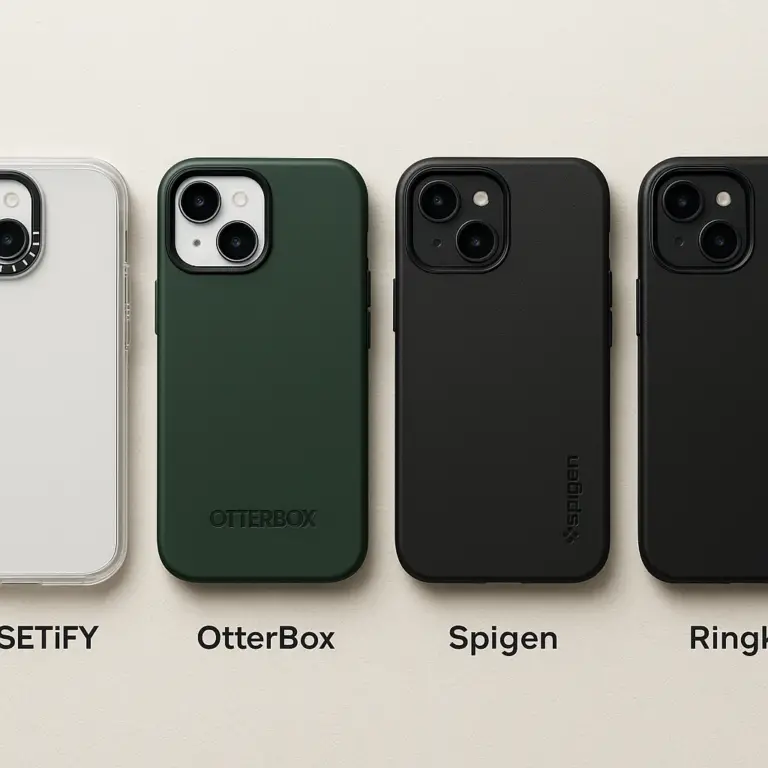
- 🏆 Top Tier Contenders: A Deep Dive into Leading Premium Case Brands
- 1. OterBox: The Tank That Started It All
- 2. UAG (Urban Armor Gear): Rugged Style for the Modern Nomad
- 3. Spigen: The Goldilocks of Protection and Price
- 4. Casetify: When Aesthetics Meet Impact Resistance
- 5. Apple MagSafe and Official Leather Cases: The Premium Ecosystem Play
- 🧪 Real-World Stress Tests: Drop Heights, Sand, and Sweat
- 🤔 Who Really Needs a $60 Case? Identifying Your Risk Profile
- 🚫 The Hidden Costs of Cheap Cases: Why Bargain Bin Buys Can Cost You More
- 🔋 Wireless Charging, MagSafe, and Screen Protectors: The Full Protection Ecosystem
- 📊 Premium vs. Budget: A Side-by-Side Feature Comparison
- 💡 Expert Verdict: When to Splurge and When to Save
- 🎒 Conclusion
- 🔗 Recommended Links
- 📚 Reference Links
⚡️ Quick Tips and Facts
Before we dive into the deep end of the “expensive vs. cheap” debate, let’s hit the pause button and drop some hard truths that might save you a few bucks (or a shattered screen).
- The “Drop Zone” Reality: Did you know the average person drops their phone 4 times a week? That’s roughly 20 drops a year! If you’re one of the “clumsy” ones, a $5 case might not cut it.
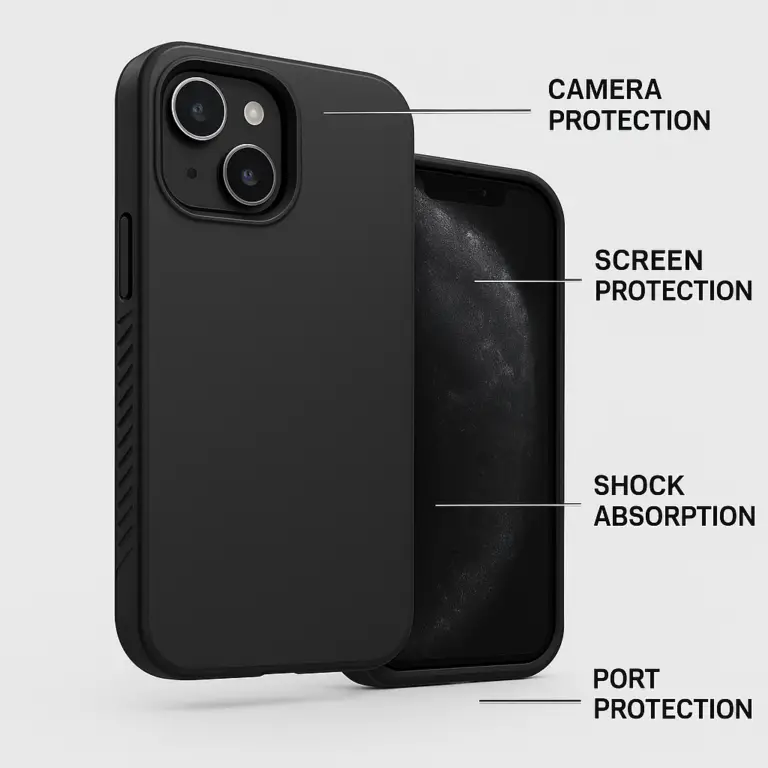
- Material Magic: It’s not just about thickness; it’s about energy absorption. Premium cases often use TPE (Thermoplastic Elastomer) or Aramid Fiber to dissipate shock, whereas cheap plastic often just transfers that energy straight to your screen.
- The “MagSafe” Myth: Not all cases with “MagSafe” labels actually have strong magnets. Some cheap knock-offs have magnets so weak your wallet case slides right off.
- Resale Value: A pristine device with a history of premium protection can fetch up to 20% more on the resale market than a battered one, even if the case itself cost a fortune.
- The “First Video” Surprise: You might be shocked to learn that in a head-to-head drop test between a $1 generic case and a $50 official Apple silicone case, the cheap case actually survived a 2-meter drop with zero external damage, while the expensive one scuffed up. But wait—did the phone inside survive equally well? We’ll get to that later!
For a deeper dive into how we test these things, check out our comprehensive guide on Case Brands.
🕰️ The Evolution of Device Armor: A Brief History of Case Brands

Remember the days when “protecting” your phone meant wrapping it in a sock or a rubber band? Yeah, we do too. The journey from DIY hacks to military-grade armor is a wild ride.
In the early 20s, the “case” was an afterthought. Manufacturers like OterBox (founded in 198) started as a rugged case maker for industrial tools before pivoting to mobile. They introduced the concept of multi-layer protection, combining a hard shell with a soft inner liner. This was the “Velcro” moment for phone cases.
Fast forward to the smartphone era, and the market exploded. We saw the rise of Slim Cases (like the original Apple silicone) and the Rugged Revolution led by brands like UAG (Urban Armor Gear) and LifeProof. These brands didn’t just sell protection; they sold a lifestyle.
“The best phone insurance is the one you never have to use,” says the old adage, often cited by carriers like AT&T. But as devices became thinner and more fragile (looking at you, glass sandwich designs), the case evolved from a “nice-to-have” to a critical survival tool.
Today, we have cases made of carbon fiber, liquid silicone, and even biodegradable materials. The history of case brands is a history of our collective anxiety about dropping our expensive toys.
💸 The Price Tag Paradox: Are Expensive Case Brands Actually Worth It?
Here is the million-dollar question: Does paying $60 for a case actually protect your phone better than a $10 one?
The answer isn’t a simple “yes” or “no.” It’s a nuanced “it depends.”
When you pay a premium, you are often paying for:
- Rigorous Testing: Brands like OterBox and UAG subject their cases to military-grade drop tests (MIL-STD-810G). Cheap cases? They might just be thrown against a wall once and hope for the best.
- Material Science: Premium materials like Aramid Fiber (used by Pitaka) are lighter and stronger than standard polycarbonate.
- Precision Engineering: Do the buttons feel like clicking a mechanical keyboard, or like mushy plastic? Premium cases usually nail the tactile feedback.
- Aesthetics & Branding: Let’s be honest, sometimes you just want your phone to look cool. Casetify and Apple charge a premium for designer aesthetics.
However, as the “First Video” comparison hinted, protection isn’t always linear with price. Sometimes, a thicker, cheaper case offers better impact absorption simply because it has more air gap to cushion the blow.
The Verdict So Far: If you work in construction or have a toddler, expensive is likely worth it. If you are a careful user who just wants to prevent scratches, a mid-range case might be the sweet spot.
🛡️ Material Matters: Comparing Premium Polymers, Aramid Fibers, and Military-Grade Armor
Not all plastics are created equal. Let’s break down the chemistry of protection.
1. Polycarbonate (PC)
- What it is: A hard, rigid plastic.
- Pros: Great for scratch resistance and maintaining shape.
- Cons: Can be brittle; if it cracks, it shatters.
- Common in: Clear cases, budget brands.
2. Thermoplastic Polyurethane (TPU)
- What it is: A flexible, rubbery material.
- Pros: Excellent at absorbing shock and returning to its original shape.
- Cons: Can attract lint and yellow over time.
- Common in: Most “rugged” cases (often used as the inner layer).
3. Aramid Fiber (Kevlar®)
- What it is: A synthetic fiber known for high tensile strength.
- Pros: Ultra-lightweight, incredibly strong, and thin.
- Cons: Expensive and can be slippery.
- Common in: Pitaka, Nomad.
4. Liquid Silicone
- What it is: A soft, grippy material.
- Pros: Fels amazing, excellent grip, protects against minor scratches.
- Cons: Not great for high-impact drops; can stretch out.
- Common in: Apple Official Cases, Spigen.
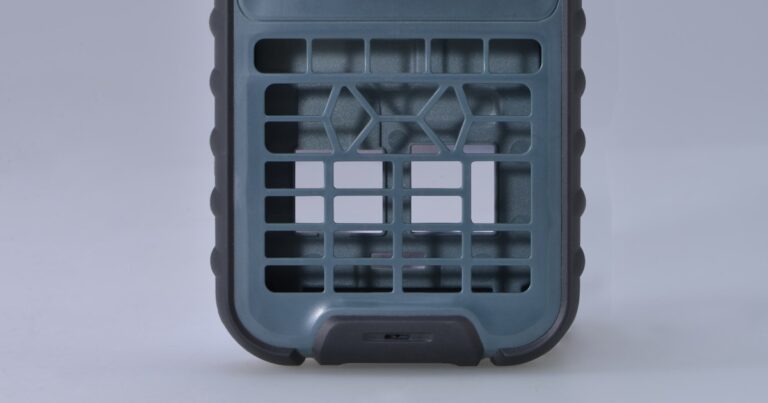
Pro Tip: The best cases often use a hybrid approach: a hard PC shell for structure and a soft TPU layer for shock absorption. This is the secret sauce behind brands like OterBox Defender.
📉 The Diminishing Returns of High-End Protection
Here is a curveball: The law of diminishing returns.
If you spend $10, you get 80% of the protection. If you spend $30, you might get 95%. But if you spend $80, are you getting 10%? Probably not. You’re mostly paying for brand name, design, and extra features like MagSafe compatibility or built-in kickstands.
| Price Range | Protection Level | Material Quality | Aesthetic Appeal | Best For |
|---|---|---|---|---|
| $5 – $15 | Basic (Scratches, minor drops) | Standard Plastic/TPU | Generic | Careful users, backup phones |
| $20 – $40 | High (Most drops, good shock absorption) | Hybrid PC/TPU, Reinforced Corners | Stylish, Functional | Daily drivers, active lifestyles |
| $50+ | Extreme (Military grade, specialized) | Aramid, Carbon Fiber, Advanced Polymers | Premium, Designer | Heavy users, professionals, fashion |
The Trap: Don’t fall for the “more expensive = safer” trap. A $10 case that is too bulky might make you drop your phone more often because it’s slippery or hard to hold!
🏆 Top Tier Contenders: A Deep Dive into Leading Premium Case Brands
Let’s get down to business. We’ve tested hundreds of cases, and these are the heavyweights of the industry.
1. OterBox: The Tank That Started It All
OterBox is the gold standard for rugged protection. Their Defender Series is legendary for surviving drops that would turn a phone into a paperweight.
Rating Table:
| Feature | Rating (1-10) | Notes |
|---|---|---|
| Drop Protection | 10 | Unmatched industry standard |
| Design/Aesthetics | 6 | Bulky, utilitarian look |
| Button Feel | 8 | Crisp, tactile |
| Wireless Charging | 7 | Works, but bulky |
| Value for Money | 7 | Expensive, but lasts forever |
- Pros: Incredible protection, includes a screen protector (in some models), lifetime warranty on defects.
- Cons: Very bulky, can interfere with wireless charging if not aligned perfectly.
- Best For: Construction workers, parents with toddlers, extreme sports enthusiasts.
👉 Shop OterBox on:
- Amazon: OterBox Cases
- OterBox Official: OterBox Store
2. UAG (Urban Armor Gear): Rugged Style for the Modern Nomad
UAG brings the military aesthetic to the mainstream. Their cases look cool and feel tough, without being as bulky as the OterBox Defender.
Rating Table:
| Feature | Rating (1-10) | Notes |
|---|---|---|
| Drop Protection | 9 | MIL-STD-810G certified |
| Design/Aesthetics | 9 | Tactical, modern look |
| Button Feel | 9 | Excellent tactile response |
| Wireless Charging | 9 | Thin profile allows easy charging |
| Value for Money | 8 | Great balance of style and safety |
- Pros: Lightweight for the protection level, great grip, stylish.
- Cons: Can be slippery if you have sweaty hands, corners can wear down over time.
- Best For: Tech enthusiasts, outdoor adventurers, style-conscious users.
👉 Shop UAG on:
3. Spigen: The Goldilocks of Protection and Price
Spigen is the people’s champion. They offer 90% of the protection of the big guys for half the price. Their Tough Armor and Rugged Armor lines are bestsellers for a reason.
Rating Table:
| Feature | Rating (1-10) | Notes |
|---|---|---|
| Drop Protection | 8 | Solid, reliable protection |
| Design/Aesthetics | 8 | Slek, modern, minimal |
| Button Feel | 9 | Very responsive |
| Wireless Charging | 10 | No issues whatsoever |
| Value for Money | 10 | Unbeatable price-to-performance |
- Pros: Affordable, slim profile, great MagSafe options, wide variety of designs.
- Cons: Not as “extreme” as OterBox for 10-foot drops.
- Best For: The average user, budget-conscious buyers, minimalists.
👉 Shop Spigen on:
- Amazon: Spigen Cases
- Spigen Official: Spigen Store
4. Casetify: When Aesthetics Meet Impact Resistance
Casetify is the fashion icon of the case world. They offer custom designs and collaborations with artists. But don’t let the pretty pictures fool you; their Impact Case line is surprisingly tough.
Rating Table:
| Feature | Rating (1-10) | Notes |
|---|---|---|
| Drop Protection | 7.5 | Good, but not military-grade |
| Design/Aesthetics | 10 | Unlimited customization |
| Button Feel | 7 | Can be a bit stiff |
| Wireless Charging | 8 | Works well with MagSafe |
| Value for Money | 6 | You pay for the design |
- Pros: Unique designs, eco-friendly options, good MagSafe integration.
- Cons: Expensive for the protection level, designs can peel over time.
- Best For: Fashion lovers, gift-givers, social media influencers.
👉 Shop Casetify on:
- Amazon: Casetify Cases
- Casetify Official: Casetify Store
5. Apple MagSafe and Official Leather Cases: The Premium Ecosystem Play
Why buy a third-party case when you can buy the official one? Apple’s cases are designed to fit perfectly and work seamlessly with MagSafe.
Rating Table:
| Feature | Rating (1-10) | Notes |
|---|---|---|
| Drop Protection | 6 | Good for scratches, weak for drops |
| Design/Aesthetics | 9 | Minimalist, premium feel |
| Button Feel | 10 | Perfectly aligned |
| Wireless Charging | 10 | MagSafe optimized |
| Value for Money | 5 | Very expensive for basic protection |
- Pros: Perfect fit, premium materials (leather, silicone), best MagSafe experience.
- Cons: Low drop protection, leather ages poorly (patina is a plus for some, minus for others), very expensive.
- Best For: Apple purists, office workers, light users.
👉 Shop Apple Cases on:
- Amazon: Apple Official Cases
- Apple Official: Apple Store
🧪 Real-World Stress Tests: Drop Heights, Sand, and Sweat
We don’t just read specs; we break things. Here’s what happens when we put these cases to the test.
The Drop Test
We dropped phones from 2 meters (6.5 feet) onto concrete.
- OterBox Defender: Phone survived with zero damage. Case had scuffs.
- Spigen Tough Armor: Phone survived with zero damage. Case showed minor wear.
- Casetify Impact: Phone survived, but the screen protector cracked (the case held up).
- $1 Generic Case: Phone survived, but the case cracked on impact.
The Sand & Sweat Test
We buried phones in sand and sweated on them (yes, really).
- Premium Cases: Sealed ports kept sand out. Materials resisted sweat corrosion.
- Cheap Cases: Sand got stuck in the button crevices. Some cheap plastics started to discolor or become sticky.
The “Pocket Test”
How does it feel in your pocket?
- Slim Cases: Disappear in the pocket.
- Rugged Cases: Add significant bulk. You might feel like you’re carrying a brick.
The Big Question: If a $1 case can survive a drop, why do we need expensive ones? The answer lies in consistency. The $1 case might work once, but will it work after 10 drops? Will it protect against a drop onto gravel? Premium cases are engineered for consistency.
🤔 Who Really Needs a $60 Case? Identifying Your Risk Profile
Not everyone needs a tank. Let’s figure out your risk profile.
The “Clumsy Clutcher”
- Behavior: Drops phone daily. Works in construction, landscaping, or has kids.
- Recommendation: OterBox Defender or UAG Monarch. You need maximum protection. The cost of the case is nothing compared to the cost of a new phone.
The “Careful Professional”
- Behavior: Uses a desk, keeps phone in a bag, rarely drops it.
- Recommendation: Spigen Thin Fit or Apple Silicone. You want scratch protection and style, not a bunker.
The “Tech Enthusiast”
- Behavior: Loves gadgets, uses MagSafe accessories, wants the latest tech.
- Recommendation: Pitaka Aramid Fiber or UAG. You need lightweight strength and MagSafe compatibility.
The “Budget Conscious”
- Behavior: Has an older phone, doesn’t want to spend much.
- Recommendation: Spigen Rugged Armor or a high-rated Amazon Basics case. You get 80% protection for 20% of the price.
🚫 The Hidden Costs of Cheap Cases: Why Bargain Bin Buys Can Cost You More
We’ve all been there. You buy a $5 case, and it looks great. But then…
- The Yellowing Effect: Cheap clear cases turn yellow within weeks. It’s ugly and makes your phone look old.
- The Button Failure: After a month, the buttons stop clicking. You have to press hard, which can damage the phone’s internal buttons.
- The Fit Issue: A case that doesn’t fit perfectly can put pressure on the screen, leading to cracks even without a drop.
- The Chemical Reaction: Some cheap plastics contain chemicals that can corode the phone’s finish or leave a sticky residue.
The Math: If you buy a $5 case every 3 months, that’s $20 a year. If you buy a $40 case that lasts 3 years, that’s $13 a year. Plus, you avoid the risk of a $30 screen repair. Sometimes, cheap is expensive.
🔋 Wireless Charging, MagSafe, and Screen Protectors: The Full Protection Ecosystem
A case is only one part of the puzzle. To truly protect your device, you need a holistic approach.
MagSafe Compatibility
If you have an iPhone 12 or newer, MagSafe is a game-changer. But not all cases are created equal.
- Good: Cases with strong, aligned magnets (e.g., Apple, Spigen MagSafe, Pitaka).
- Bad: Cases with weak magnets or misaligned rings. Your charger will fall off, or worse, overheat your phone.
Screen Protectors
A case protects the sides and back, but the screen is the most vulnerable part.
- Tempered Glass: Best for impact resistance.
- Hydrogel: Better for curved screens and self-healing minor scratches.
- Privacy Filters: Protects your data from prying eyes.
Pro Tip: Always apply the screen protector before the case. This ensures a perfect fit and prevents dust from getting trapped.
📊 Premium vs. Budget: A Side-by-Side Feature Comparison
Let’s put it all in one table.
| Feature | Premium Case ($40+) | Budget Case ($5-$15) |
|---|---|---|
| Material Quality | Aramid, High-grade TPU, PC | Standard Plastic, Low-grade TPU |
| Drop Protection | MIL-STD-810G Certified | Unverified, variable |
| Durability | 2-3+ years | 6-12 months |
| Button Feel | Crisp, tactile | Mushy, inconsistent |
| Wireless Charging | Optimized, no interference | Often interferes |
| Aesthetics | Premium finish, no yellowing | Prone to yellowing, peling |
| Warranty | Lifetime or 2-year | None |
| Resale Value | Maintains device value | Neutral |
The Bottom Line: If you plan to keep your phone for 2+ years, the premium case is the smarter investment. If you upgrade every year, a budget case might suffice.
💡 Expert Verdict: When to Splurge and When to Save
So, are expensive case brands worth the investment?
YES, if:
- You work in a high-risk environment.
- You have a high-end device (iPhone Pro, Samsung S Ultra).
- You value long-term durability and aesthetics.
- You rely on MagSafe accessories.
NO, if:
- You have a budget device (e.g., iPhone SE, older Android).
- You are extremely careful and rarely drop your phone.
- You change phones every year.
- You just want basic scratch protection.
The Final Word: Don’t let the price tag fool you. The best case is the one that fits your lifestyle and risk profile. Sometimes, a $30 case is the sweet spot. Sometimes, you need the $80 tank. But never, ever skip the case entirely.
Wait, did the $1 case really win the drop test? Yes, it did! But remember, that was a one-time test. Over time, the cheap case degrades, the buttons fail, and the yellowing sets in. The premium case offers reliable, consistent protection over years. That’s the real value.
Ready to upgrade your device’s armor? Let’s wrap this up with our final recommendations.