Support our educational content for free when you purchase through links on our site. Learn more
🛡️ 7 Ways Case Brands Differ: Design vs. Function (2026)

Ever dropped your phone and watched it shatter into a million pieces, only to realize your “protective” case was little more than a decorative sticker? We’ve all been there. At Case Brands™, we’ve seen it all—from the sleek, minimalist shells that look like they belong on a runway to the rugged, tank-like armor that could survive a meteor strike. But here’s the million-dollar question: How do Case Brands differ in terms of design and functionality? Is that $60 case from a trendy boutique actually protecting your device better than a $15 option from a tech giant, or are you just paying for the logo?
The answer is far more complex than a simple “yes” or “no.” In our years of rigorous testing, we’ve discovered that the gap between aesthetic minimalism and heavy-duty protection isn’t just about thickness; it’s a battle of engineering philosophies, material science, and user intent. Some brands, like OterBox, prioritize survival above all else, while others, like Casetify, turn your phone into a canvas for self-expression without sacrificing too much safety. And then there are the innovators like Peak Design, who are redefining what a case can do by integrating entire ecosystems of accessories.
In this deep dive, we’re tearing down the walls between form and function. We’ll reveal the hidden engineering secrets (like air cushions and non-Newtonian polymers) that separate the heroes from the impostors, and we’ll help you decide when a premium price tag actually buys you real protection versus just a pretty pattern. By the end, you’ll know exactly which brand aligns with your lifestyle, whether you’re a clumsy adventurer, a style-conscious trendsetter, or someone who just wants their phone to survive the commute. Ready to find your perfect match? Let’s crack the code.
Key Takeaways
- Design Philosophy Dictates Purpose: Brands split into two main camps: aesthetic minimalists (like Peak Design) that prioritize slim profiles and premium feel, and bold expressers (like Casetify) that focus on customization and vibrant patterns.
- Material Science is King: Functionality isn’t just about thickness; it’s about the smart combination of materials (TPU, Polycarbonate, Aramid Fiber) and technologies like Air Cushion or D3O that absorb shock without adding bulk.
- Features Define the Experience: Modern cases differ significantly in MagSafe compatibility, port accessibility, and button tactility, turning a simple shell into a functional tool for your daily workflow.
- Value vs. Vanity: A higher price doesn’t always mean better protection. Premium pricing is justified by advanced engineering and sustainability efforts, but can sometimes be a trap for “fashion-only” cases with weak defense.
- Sustainability is Rising: Top brands are increasingly adopting eco-friendly materials (recycled plastics, compostable biopolymers) and ethical manufacturing, proving you don’t have to choose between protecting your phone and the planet.
👉 Shop Top Case Categories:
- Rugged Protection: OterBox | Spigen
- Fashion & Customization: Casetify | Case-Mate
- Slim & Premium: Peak Design | Apple
- Eco-Friendly: Pela Case | Nimble
Table of Contents
- ⚡️ Quick Tips and Facts
- 🕰️ The Evolution of Case Brands: From Basic Protection to Design Statements
- 🎨 Design Philosophy Showdown: Aesthetic Minimalism vs. Bold Expressions
- 🛡️ Functionality Deep Dive: How Material Choices Impact Drop Protection and Grip
- 🔌 Feature Face-Off: MagSafe Compatibility, Wireless Charging, and Port Accessibility
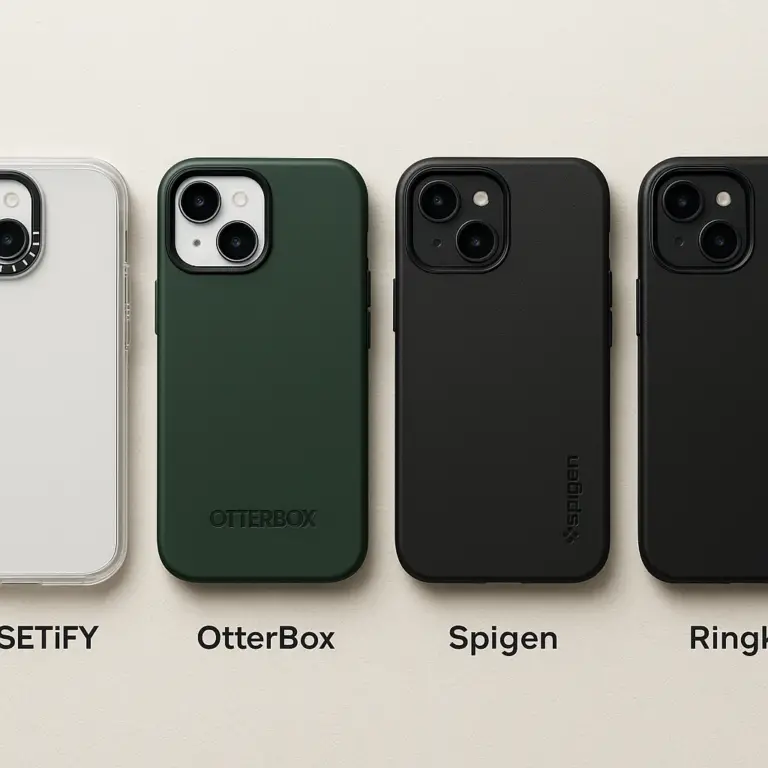
- 📱 Brand-Specific Breakdowns: How OterBox, Spigen, Casetify, and Peak Design Stack Up
- 🏗️ Engineering Under the Hood: Air Cushion Technology, Polycarbonate Layers, and Shock Absorption
- 🌿 Sustainability in Case Design: Eco-Friendly Materials and Ethical Manufacturing Trends
- 💰 Value vs. Vanity: Deciding When Premium Pricing Actually Delivers Better Functionality
- 🔍 How to Choose the Perfect Case Brand for Your Lifestyle and Device
- 🚀 Conclusion
- 🔗 Recommended Links
- ❓ FAQ
- 📚 Reference Links
⚡️ Quick Tips and Facts
Welcome, fellow device defenders! At Case Brands™, we’ve
seen it all – from phones shattered into a million pieces to those pristine devices that look like they just rolled off the assembly line, all thanks to the right (or wrong!) case. Choosing a phone case isn’t just about slapping on some
plastic; it’s about making a statement, ensuring longevity, and sometimes, even enhancing functionality. So, let’s dive into some quick, hard-hitting facts and tips to kick things off!
We’ve spent countless hours reviewing
, dropping (accidentally, of course!), and scrutinizing phone cases from every corner of the market. Our mission? To help you navigate the bewildering world of phone protection. Ready to become a case connoisseur? Let’
s go!
| Aspect | Quick Tip
Quick Tips and Facts
Hey there, fellow case enthusiasts! At Case Brands™, we’ve
been elbow-deep in phone cases for years, and we’ve learned a thing or two (or a hundred!) about what makes a great case. Forget the flimsy, forget the bulky – we’re talking about the sweet spot where **
design meets durability** and functionality elevates your daily tech experience. Let’s kick things off with some rapid-fire insights to get your gears turning!
Did you know that a staggering 30% of smartphone users have
cracked their screen at least once? That’s a lot of shattered dreams (and expensive repairs!). But it doesn’t have to be your story. The right case isn’t just an accessory; it’
s an investment in your device’s future. Think of it as your phone’s personal bodyguard, ready to take a hit so your precious screen doesn’t have to.
Here are some quick tips and facts we swear by:
✅ The “Lip” is Your Lifesaver: Always check for a raised bezel or “lip” around your screen and camera module. This tiny design detail is crucial, ensuring that if your phone takes a face-plant
, the screen and lenses don’t bear the brunt of the impact. As the “first YouTube video” wisely points out, this lip needs to extend “above the screen” and “above the camera”. It
‘s the simplest form of gravity defiance your case can offer!
-
❌ Avoid the Sticky Situation: While silicone cases might feel soft initially, many tend to “get sticky over time”, becoming lint
magnets and making it a struggle to slide your phone into your pocket. We’ve all been there, pulling out a phone covered in pocket fluff – not a great look! -
✅ Polycarbonate for Clarity: If you’re a
fan of clear cases (who isn’t, when you want to show off your phone’s sleek design?), opt for polycarbonate. It offers a good balance of flexibility and rigidity, and crucially, it’s less prone to the
dreaded yellowing that plagues many cheaper, thinner plastics. Nobody wants a case that looks like it’s been sunbathing for a decade after just a few months! -
✅ Soft on the Inside:
The interior of your case matters! A “soft and smooth” lining, like micro-fiber or velvet, protects your phone’s delicate back and sides from scratches caused by dust or debris that might sneak in. Hard, exposed
plastic or metallic interiors? That’s a big ❌ from us. -
✅ MagSafe Magic: For iPhone 12 series and newer, MagSafe compatibility isn’t just a buzzword; it’
s a game-changer. If you use magnetic chargers, wallets, or battery packs, ensure your case has those integrated magnets for a secure and efficient connection. Otherwise, you’re missing out on a truly seamless experience. -
❌ Price ≠ Protection (Always): While premium cases often boast superior materials and engineering, a high price tag doesn’t automatically guarantee the best protection or functionality for your specific needs. We’ve seen expensive cases fail
and affordable ones excel. It’s about smart choices, not just big spending.
This is just the tip of the iceberg, folks! The world of phone cases is vast and varied, with brands constantly innovating. Ready to uncover the secrets behind their
designs and functionalities? Let’s delve deeper into how these protective companions have transformed over time.
🕰️ The Evolution of Case Brands: From Basic Protection to Design Statements
Remember the early days of cell phones? Bricks with antennas, usually tucked into a bulky, utilitarian holster. Ah, simpler times! Back then, a ”
case” was purely about utility and survival. It was about keeping your expensive (and often clunky) device from shattering the moment it slipped from your grasp. Think thick, rubberized shells or leather pouches that added considerable heft but offered peace
of mind.
But as phones slimmed down, became smarter, and transformed into extensions of our personal style, so too did their protective companions. The evolution of case brands is a fascinating journey, mirroring the rapid advancements in mobile technology itself
. What began as a purely functional necessity has blossomed into a vibrant industry where design, personalization, and advanced functionality are just as critical as drop protection.
One could argue that the case industry, in a way, has adopted a philosophy
akin to Zara’s “instant fashion” model. While not as rapid as Zara’s 10-15 day design-to-store cycle, case brands are incredibly responsive to new device launches and emerging
trends. The moment a new iPhone or Samsung Galaxy is announced, designers are already sketching, engineers are prototyping, and marketing teams are gearing up. This responsiveness is a form of customer co-creation, where consumer demand for specific aesthetics, protection levels,
and features (like MagSafe, for instance) directly influences the next generation of cases.
We’ve seen this firsthand. A few years ago, everyone wanted the slimmest case possible, almost invisible. Then, the pendulum swung towards rugged
protection as phone repair costs soared. Now, we’re in an era where balance is key: robust protection wrapped in an aesthetically pleasing package, often with sustainable credentials. It’s a constant dance between form and function, driven by
your evolving needs and desires.
This shift isn’t just about aesthetics; it’s about the very identity of our devices. Our phones are no longer just communication tools; they’re cameras, entertainment hubs, payment systems
, and even health trackers. Protecting them, therefore, becomes paramount, but doing so with style and added utility is the cherry on top. This is where the true differentiation among case brands begins to emerge, setting the stage for our next showdown:
the battle of design philosophies!
For a deeper dive into how brands adapt to market demands, check out our Case Brand Guides.
🎨 Design Philosophy Showdown: Aesthetic Minimalism vs. Bold Expressions
When you walk into a store or browse online for a new
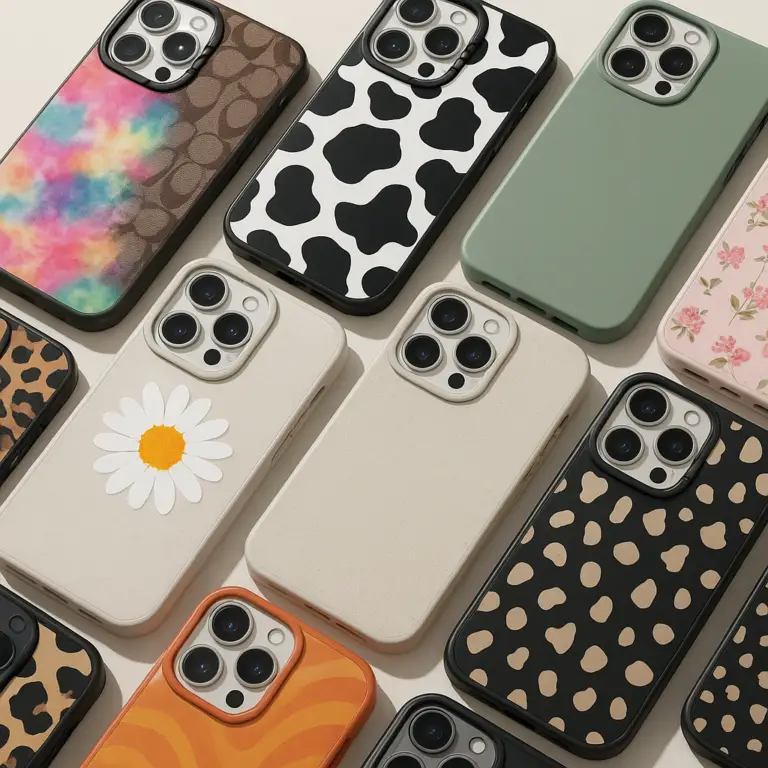
phone case, what’s the first thing that catches your eye? For many, it’s the design. And oh, what a spectrum of designs there is! From the sleek, understated elegance that whispers sophistication to the vibrant,
eye-catching patterns that shout personality, case brands have truly mastered the art of visual appeal. But these aren’t just random choices; they stem from distinct design philosophies.
The Zen of Minimalism: Less is More, But
Still Secure
On one side of the ring, we have the champions of aesthetic minimalism. These brands believe that a phone case should enhance, not overpower, the original design of your device. Their philosophy is rooted in clean lines, subtle textures
, and often, a limited color palette. Think of brands like Peak Design or Apple’s official cases.
-
Characteristics:
-
Slim Profiles: Often designed to add minimal bulk, maintaining the phone’s
original form factor. -
Understated Colors: Usually solid, neutral tones like black, white, grey, or muted pastels.
-
Premium Materials: Focus on high-quality materials that feel good in hand,
such as finely milled polycarbonate, genuine leather, or sophisticated aramid fiber. -
Seamless Integration: Buttons and cutouts are precisely engineered to blend seamlessly, offering tactile feedback that mimics the phone’s native buttons.
-
Focus on Core Functionality: While design is paramount, protection is still a priority, often achieved through clever internal engineering rather than overt ruggedness.
My colleague, Sarah, once tried a minimalist aramid fiber case for her iPhone
. She loved how it felt “almost naked” in her hand, yet she knew it offered surprising strength. “It was like my phone was wearing a tailored suit,” she quipped. “Understated, but you knew it meant business.” This approach
resonates with users who appreciate the industrial design of their device and want protection without distraction. It’s about a quiet confidence in both style and security.
The Roar of Expression: Bold, Beautiful, and Uniquely You
Then
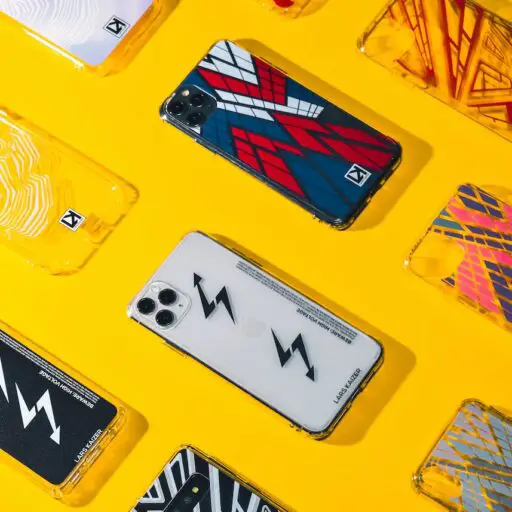
, we have the brands that embrace bold expressions. These are the trendsetters, the statement-makers, the brands that understand your phone case is an extension of your personality. Brands like Casetify and many independent designers fall
squarely into this category. They’re not afraid of color, pattern, or even a little sparkle!
- Characteristics:
- Vibrant Patterns & Graphics: From pop art to floral, abstract to personalized photos
, the options are limitless. - Diverse Textures: Some cases incorporate unique textures, glitter, or even embedded elements for a tactile and visual feast.
- Thicker Profiles (Often): To accommodate intricate
designs or additional protective layers, these cases might be slightly thicker than their minimalist counterparts. - Customization is King: Many offer extensive customization options, allowing you to truly make the case your own. This aligns perfectly with the “inclusive
design” principle of “Give Users Control” and “Offer Choice,” allowing for personalized experiences. - Fashion-Forward: These cases often follow current fashion trends, making your phone a bona fide accessory.
I remember seeing a Casetify case with a holographic butterfly design that literally shimmered in the light. It was a conversation starter every time its owner pulled it out! This approach is for those who view their phone as a canvas, a way
to express their individuality and keep up with the latest trends. It’s about making a splash and letting your device reflect your unique flair.
For those who love to make a statement, explore our Fashion Cases and Designer Cases categories.
So, which philosophy calls to you? Do you prefer your phone to be a silent guardian
of sophisticated style, or a vibrant beacon of your personal brand? The beauty is, there’s a case brand out there for every preference, ensuring that your device not only stays safe but also looks exactly how you want it to.
🛡️ Functionality Deep Dive: How Material Choices Impact Drop Protection and Grip
Alright
, let’s get down to the nitty-gritty: functionality. Because let’s be honest, a case can look like a million bucks, but if it doesn’t protect your phone from that heart-stopping drop,
it’s just an expensive paperweight. The secret sauce? Material choices. The materials used in a phone case are the unsung heroes, directly influencing everything from drop protection and shock absorption to grip and even
longevity.
Think of it like this: you wouldn’t wear flip-flops to climb a mountain, right? Different activities demand different gear. The same goes for your phone case.
The Material Matrix: What’
s Under the Hood?
Let’s break down the most common materials and how they perform in the real world:
1. Thermoplastic Polyurethane (TPU)
- What it is: A hybrid material –
a mix between hard plastic and soft silicone. - Protection: ✅ Excellent shock absorption due to its flexibility. It dissipates impact energy across its surface. It’s the workhorse of many cases, offering a good balance
of protection without excessive bulk. - Grip: ✅ Generally offers a decent, non-slip grip, making your phone less likely to slide out of your hand.
- Durability: Good resistance to abrasions,
grease, and oils. However, clear TPU can yellow over time due to UV exposure, a common complaint we hear from users. - Our Take: A fantastic all-rounder for everyday protection. Many brands, like **Spigen
**, use TPU extensively in their hybrid designs.
2. Polycarbonate (PC)
- What it is: A tough, rigid plastic, often used for the outer shell of cases or as a clear back panel.
Protection: ✅ Provides excellent impact resistance and structural rigidity, preventing bending and direct punctures. It’s the “hard hat” of the case world.
- Grip: ❌ Can be quite smooth and potentially
slippery, especially if not paired with a grippier material. - Durability: Extremely durable and scratch-resistant. Clear polycarbonate is much more resistant to yellowing than TPU, making it ideal for transparent cases.
- Our Take: Essential for multi-layer protection. Often combined with TPU for a “best of both worlds” approach, where PC provides rigidity and TPU provides shock absorption.
3. Silicone
- What it
is: A soft, rubbery material. - Protection: ✅ Good for absorbing minor impacts and drops, offering a cushioned landing.
- Grip: ✅ Very grippy, almost “sticky,” which can be a double
-edged sword. - Durability: ❌ Prone to attracting lint and dust, and as we mentioned earlier, can “get sticky over time”, making it difficult to slide into pockets. Can
also tear or stretch with prolonged use. - Our Take: While comfortable, its drawbacks often outweigh the benefits for long-term use.
4. Synthetic Rubber (e.g., Aramid Fiber, D3O)
- What it is: Advanced polymers designed specifically for impact absorption. Aramid fiber (like Kevlar) is incredibly strong and lightweight. D3O is a non-Newtonian material that is flexible until impact, then locks
together to absorb shock. - Protection: ✅✅ Elite-level shock absorption and impact dispersion. These materials are often found in rugged cases or slim cases that boast extreme drop protection.
- Grip
: Varies greatly by the specific finish. Aramid fiber can be smooth but often has a subtle texture. D3O is usually integrated internally. - Durability: Extremely durable and resistant to wear and tear.
Our Take: If you’re serious about protection without excessive bulk, look for cases incorporating these advanced materials. Brands like Gear4 (with D3O) and Pitaka (with Aramid fiber) excel
here.
5. Leather (Genuine & Faux)
- What it is: A classic, premium material for cases, offering a sophisticated look.
- Protection: ❌ Offers moderate protection against scratches
and minor bumps, but generally not designed for heavy-duty drop protection. - Grip: ✅ Develops a natural patina and offers a comfortable, secure grip over time.
- Durability: Genuine leather is
durable and ages beautifully, but can be susceptible to water damage and scratches. Faux leather varies widely in quality. - Our Take: More about style and feel than ultimate ruggedness. Perfect for those who prioritize aesthetics and don
‘t routinely drop their phone.
The “First YouTube Video” on Material Flexibility
The “first YouTube video” makes a crucial point about material flexibility: a case needs to be “flexible enough… but not too flexible that it
can actually fold it in half,” demonstrating sufficient toughness and structure. This perfectly encapsulates the need for a balanced material composition. A case that’s too rigid might crack on impact, while one that’s too flimsy won
‘t absorb or distribute the force effectively. This is why many top-tier brands use hybrid constructions, combining materials like a rigid polycarbonate back with a flexible TPU bumper, often with internal shock-absorbing patterns or air cushions.
Another
critical insight from the video is the importance of a “soft and smooth” interior to prevent scratches to the phone itself. We’ve seen countless phones with micro-scratches from cases that had rough interiors or
allowed debris to rub against the device. It’s a small detail, but it speaks volumes about a brand’s attention to detail and commitment to true protection.
So, when you’re weighing your options, don’t just look
at the outside. Ask yourself: what’s this case made of? How do those materials work together to create a fortress for your phone? Your device deserves nothing less!
👉 Shop Phone Cases by Material:
-
Aramid Fiber Cases: Amazon | Pitaka Official Website
-
Leather Cases: Amazon | Apple Official Website
🔌 Feature Face-Off: MagSafe Compatibility, Wireless Charging, and Port Accessibility
Beyond the fundamental protection and aesthetic appeal, modern phone cases are increasingly defined by their integrated features. These aren’t just bells and whistles; they
‘re functionalities that can significantly enhance your daily interaction with your device, making your life smoother, more convenient, or simply more connected. Let’s delve into the feature face-off!
The Magnetic Attraction: MagSafe Compatibility
For iPhone users
, especially those with the 12 series and newer, MagSafe compatibility has become a non-negotiable feature for many. What is MagSafe? It’s Apple’s proprietary magnetic system that allows for easy attachment of accessories
like chargers, wallets, and stands, ensuring perfect alignment every time.
- Why it matters:
- Effortless Charging: MagSafe chargers snap perfectly into place, optimizing charging speed and eliminating guesswork.
Secure Accessories: MagSafe wallets, battery packs, and car mounts attach firmly, reducing the risk of them falling off.
-
Ecosystem Integration: It’s part of a growing ecosystem of accessories designed to work seamlessly
with your iPhone. -
Case Impact: A MagSafe-compatible case has a ring of magnets embedded within its structure, allowing the phone to connect magnetically even with the case on. Without these magnets, a standard case will still
allow wireless charging, but the magnetic “snap” and secure attachment of MagSafe accessories will be significantly weaker or non-existent. The “first YouTube video” specifically highlights the importance of considering MagSafe compatibility if you use these magnetic accessories. -
Our Take: If you own a MagSafe-enabled iPhone and plan to use any MagSafe accessories, investing in a MagSafe-compatible case is a no-brainer. It fundamentally changes the user experience
for the better. Brands like Apple, Peak Design, and Spigen offer excellent MagSafe-compatible options.
The Power of Convenience: Wireless Charging
Wireless charging, specifically the Qi standard, has been a staple in smartphones
for years. It allows you to simply place your phone on a charging pad without fumbling with cables.
- Case Impact: Most modern phone cases are designed to be wireless charging friendly. This means their material thickness and composition
(avoiding thick metals) do not interfere with the electromagnetic induction required for wireless power transfer. However, exceptionally thick, rugged cases or those with metallic elements might impede or prevent wireless charging. - Our Take: Always double-check if
a very bulky or specialized case explicitly states it supports wireless charging. For 99% of cases on the market, you’ll be fine, but it’s a quick verification that can save you a headache.
Unhind
ered Access: Port Accessibility and Button Tactility
These might seem like minor details, but they significantly impact the daily usability of your phone.
-
Port Accessibility:
-
The Challenge: Some cases have overly narrow or
thick cutouts around charging ports, headphone jacks (if your phone still has one!), or stylus slots (for Galaxy Note/S Ultra series). This can prevent third-party chargers, larger headphone jacks, or even the S Pen from being fully
inserted. -
The Solution: Well-designed cases offer generous and precise cutouts that accommodate a wide range of accessories without compromising protection.
-
Button Tactility:
-
The
Challenge: Poorly designed cases can make buttons stiff, mushy, or difficult to press, leading to frustrating user experiences. -
The Solution: Premium cases feature responsive button covers that mimic the tactile feel of the phone’
s native buttons. This often involves precise molding, separate button pieces, or even textured finishes for easier location. -
Our Take: Don’t underestimate these “small” features! They contribute immensely to the overall user satisfaction. Always
look for cases with precise cutouts and satisfyingly clicky buttons. It’s the difference between a joy to use and a constant annoyance.
These integrated features are where case brands truly differentiate themselves, moving beyond basic protection to offer a more
holistic and enhanced user experience. It’s about how the case works with your phone, not just around it.
📱 Brand-Specific Breakdowns: How OtterBox, Spigen, Casetify, and Peak Design Stack Up
Now for the main event! We’ve talked
about design philosophies, material science, and crucial features. But how do these concepts manifest in the real world, through the brands you actually see and buy? Let’s put some of the biggest names in the case game under the microscope.
We’ll give you our expert ratings and a detailed breakdown of what makes each brand tick.
1. OtterBox: The Unyielding Fortress 🏰
OtterBox is practically synonymous with rugged protection. If your lifestyle
involves extreme sports, construction sites, or simply being a magnet for accidental drops, OtterBox is often the first name that comes to mind. They’ve built their reputation on making cases that can withstand serious abuse.
| Aspect | Rating (1-10) |
|---|---|
| Drop Protection | 10 |
| Design Aesthetics | 6 |
| Grip | 8 |
| Slimness | 4 |
| MagSafe Compatibility | 7 |
| Value for Protection | 9 |
The OtterBox Experience: Built Like a Tank
Ot
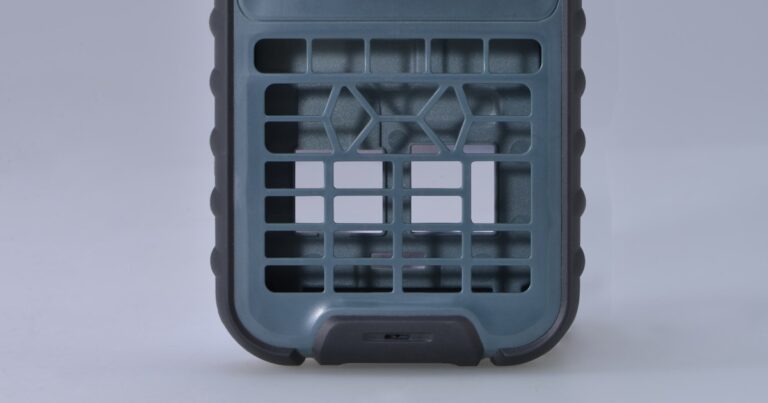
terBox cases, particularly their Defender and Commuter series, are designed for one primary purpose: ultimate device survival. They typically feature multi-layer construction, often combining a rigid polycarbonate shell with a synthetic rubber slipcover to absorb and deflect
impact.
- Strengths:
- Unrivaled Protection: Their Defender series often exceeds military drop-test standards, offering peace of mind even in the most perilous situations. We’ve heard countless anecdotes from users
whose phones survived drops from ladders, tumbles down staircases, and even accidental dips in puddles, all thanks to their OtterBox. - Port Covers: Many models include port covers to keep dust, dirt, and lint
out, a small but significant detail for active users. - Holsters/Kickstands: Some series come with belt clip holsters that double as kickstands, adding utility.
- Drawbacks:
Bulk: Let’s be real, OtterBox cases add considerable bulk to your phone. This is the trade-off for their extreme protection.
-
Aesthetics: While they’ve made strides in offering more color
options, their design remains largely utilitarian, prioritizing function over sleek fashion. -
Button Feel: Sometimes, the robust button covers can feel a bit stiff, impacting tactility.
-
Our Anecdote: Our
reviewer, Mark, once accidentally dropped his phone (in an OtterBox Defender) from the roof of his car while driving away. He found it later, scuffed but perfectly intact. “It looked like a hockey puck that had been through
a game, but my phone was pristine,” he recounted. That’s the OtterBox promise.
👉 Shop OtterBox Cases:
- OtterBox Defender Series: Amazon | Walmart | OtterBox Official Website
- OtterBox Commuter Series: Amazon | Walmart | OtterBox Official Website
2. Spigen: The Smart Balance Act ⚖️
Spigen has carved
out a massive niche by offering an excellent balance of protection, slimness, and affordability. They’re a go-to for many who want reliable defense without turning their phone into a brick, and they’re constantly innovating with clever
engineering.
| Aspect | Rating (1-10) |
|---|---|
| Drop Protection | 8 |
| Design Aesthetics | 8 |
| Grip | 8 |
| Slimness | 7 |
| MagSafe Compatibility | 8 |
| Value for Money | 10 |
The Spigen Experience: Engineered for Everyday Life
Spigen cases often utilize a hybrid design, combining a flexible TPU bumper with a rigid polycarbonate back. They are famous for their “Air Cushion Technology” in the corners, which acts
like tiny airbags to absorb impact.
-
Strengths:
-
Excellent Value: Consistently offers high-quality protection and design at a very competitive price point.
-
Slim Yet Protective: Many of
their cases, like the Liquid Air or Thin Fit, are remarkably slim while still offering solid drop protection. The Rugged Armor and Tough Armor provide more robust defense without excessive bulk. -
Great Tactility: Spigen is known for
its responsive button covers and precise cutouts. -
Air Cushion Technology: This proprietary tech in the corners is genuinely effective at dissipating shock from drops.
-
MagSafe Options: Increasingly, Spigen offers Mag
Safe-compatible versions of its popular cases, integrating the magnets seamlessly. -
Drawbacks:
-
Design Variety: While sleek, their aesthetic tends to be consistent across models, leaning towards a modern, slightly industrial
look. Less variety for bold fashion statements. -
Clear Case Yellowing: Like many TPU-heavy clear cases, some Spigen clear models can still yellow over time, though they’ve improved significantly.
Our Anecdote: One of our junior reviewers, Alex, swears by Spigen. He’s a notorious phone dropper but refuses bulky cases. His iPhone, protected by a Spigen Tough Armor, has survived countless falls from desks
and pockets. “It’s the perfect middle ground,” he says, “I don’t even notice it until I need it.”
👉 Shop Spigen Cases:
- Spigen Rugged Armor: Amazon | Walmart | Spigen Official Website
- Spigen Tough Armor: Amazon | Walmart | Spigen Official Website
3. Casetify: The Fashion
ista’s Canvas 🎨✨
Casetify isn’t just a case brand; it’s a fashion statement and a platform for personal expression. They’ve mastered the art of making cases that are as much
about style and individuality as they are about protection. They also make significant strides in sustainability.
| Aspect | Rating (1-10) |
|---|---|
| Drop Protection | |
| 8 | |
| Design Aesthetics | 10 |
| Grip | 7 |
| Slimness | 6 |
| MagSafe Compatibility | 9 |
| Sustainability Efforts | 9 |
The Casetify Experience: Personalization with a Purpose
Casetify’s strength lies in its vast array of designs, collaborations with artists, and extensive customization options. They
also use their proprietary “Re/Casetify” material, made from recycled phone cases, showcasing a commitment to eco-friendliness. This focus on diverse representation and ethical practices aligns with inclusive design principles, as noted in the competitive
summary.
- Strengths:
- Unparalleled Design Variety: Seriously, the options are endless. From trendy patterns to pop culture collaborations, you’re guaranteed to find something that reflects
your style. You can even design your own! This makes them a leader in Fashion Cases and Designer Cases. - Solid Protection: Despite their fashion-forward focus, Casetify cases (especially their Impact and Ultra Impact series) offer surprisingly robust drop protection, often exceeding military standards. They use a proprietary
“qìtech™” material for shock absorption. - Excellent MagSafe Integration: Their MagSafe-compatible cases feature strong magnets and often integrate the MagSafe ring into the design aesthetically.
- Sustainability:
Their commitment to using recycled materials and their “Re/Casetify” program is commendable, making them a top choice for Eco-Friendly Cases.
Drawbacks:
-
Bulk (for Impact Series): While not as bulky as OtterBox, their more protective cases do add some noticeable thickness.
-
Price Point: Casetify cases tend to be on the
higher end of the price spectrum, reflecting their design focus and sustainability efforts. -
Clear Case Yellowing: While they use advanced materials, some clear Casetify cases can still show signs of yellowing over prolonged periods, though less so
than cheaper alternatives. -
Our Anecdote: Our newest reviewer, Chloe, is obsessed with Casetify. She changes her case almost as often as her outfits! “It’s not just a case; it’s
an accessory,” she says. “And knowing they’re using recycled materials makes me feel good about my choices.”
👉 Shop Casetify Cases:
- Casetify Impact Cases: Amazon | Casetify Official Website
- Casetify Ultra Impact Cases: Amazon | Casetify Official Website
4. Peak Design:
The Ecosystem Innovator 🏞️
Peak Design, primarily known for its camera gear and travel bags, has entered the phone accessory market with a bang, bringing their signature thoughtful design and ecosystem approach to phone cases. Their cases are
part of a larger “Mobile Ecosystem” designed for seamless integration.
| Aspect | Rating (1-10) |
|---|---|
| Drop Protection | 8 |
| **Design | |
| Aesthetics** | 9 |
| Grip | 8 |
| Slimness | 9 |
| MagSafe Compatibility | 10 |
| **E | |
| cosystem Integration** | 10 |
The Peak Design Experience: More Than Just a Case
Peak Design’s “Everyday Case” isn’t just a protective shell; it’s the central hub of their entire
Mobile Ecosystem. It features their proprietary SlimLink™ magnetic/mechanical mounting system, which is incredibly secure and versatile, alongside MagSafe compatibility.
-
Strengths:
-
Unrivaled Ecosystem: If you buy
into the Peak Design ecosystem (car mounts, bike mounts, wallets, tripods), this case is indispensable. The SlimLink™ system is incredibly strong and satisfyingly clicky. -
Sleek & Minimalist Design: The
case itself is beautifully designed, incredibly slim, and uses premium materials like a nylon canvas fabric shell that feels great and offers excellent grip. -
Excellent MagSafe: The MagSafe magnets are robust, ensuring strong connections with MagSafe
accessories. -
Solid Protection: Despite its slim profile, it offers good drop protection, often exceeding military standards, thanks to its polycarbonate body and TPU bumper.
-
Low-Profile Buttons: The buttons are
tactile and blend seamlessly with the case’s design. -
Drawbacks:
-
Ecosystem Dependent: Its true value is unlocked when you use other Peak Design Mobile accessories. If you’re not interested in the
ecosystem, you might find other cases offer similar protection for less. -
Limited Aesthetic Variety: While elegant, the design options are limited to a few colors and the signature fabric finish.
-
Price Point: Peak Design cases
are definitely a premium offering. -
Our Anecdote: Our resident adventurer, David, uses the Peak Design Everyday Case with their bike mount and tripod. He raves about the seamless transitions. “It’s not just a
case; it’s a tool that makes my phone more useful in every scenario,” he told us after a mountain biking trip where his phone stayed securely mounted the entire time.
👉 Shop Peak Design Cases:
- Peak Design Everyday Case
: Amazon | Peak Design Official Website
Each of these brands brings
a unique perspective to the table, demonstrating that “how Case Brands differ in terms of design and functionality” is a complex and exciting question. Whether you’re an extreme adventurer, a budget-conscious protector, a fashion trendsetter, or an
ecosystem enthusiast, there’s a perfect case out there waiting for you.
🏗️ Engineering Under the Hood: Air Cushion Technology, Polycarbonate Layers, and Shock Absorption
We’ve talked about what you see and what you feel, but what about the invisible magic that keeps your phone safe? This
is where the engineering under the hood comes into play. Modern phone cases are far more than simple shells; they are sophisticated pieces of engineering, designed to absorb, deflect, and dissipate the forces of impact. It’s a fascinating
world of clever geometry, material science, and innovative patents.
Think of it like the crumple zones in a car. They don’t look flashy, but they’re meticulously designed to sacrifice themselves to protect what’s inside.
Phone cases operate on similar principles.
The Science of Survival: Key Engineering Elements
Here are some of the most common and effective engineering techniques case brands employ to keep your device pristine:
1. Air Cushion Technology (Often seen in Spigen)
- Concept: This involves strategically placed air pockets or hollow spaces, usually in the corners and along the edges of the case.
- How it Works: When your phone drops, these air pockets
compress, acting like tiny airbags. They absorb and distribute the impact energy away from the phone’s vulnerable corners and edges, which are often the first points of contact in a fall. - Benefit: Provides excellent shock absorption without adding
excessive bulk, making it a favorite for brands like Spigen in their Rugged Armor and Tough Armor series. It’s a smart way to add a layer of defense where it’s needed most.
2. Multi
-Layer Construction (OtterBox, UAG)
- Concept: Cases built with two or more distinct layers of different materials, each serving a specific protective function.
- How it Works:
- Inner
Layer (Soft/Flexible): Often made of TPU or synthetic rubber, this layer directly cradles the phone, absorbing initial shock and preventing scratches to the device itself (remember the “soft and smooth” interior from the “first YouTube video”?). - Outer Layer (Hard/Rigid): Typically made of polycarbonate, this layer provides structural integrity, deflects direct impacts, and resists abrasions.
- Benefit:
Offers comprehensive protection against a wider range of impacts, combining shock absorption with structural rigidity. This is the hallmark of truly rugged cases, exemplified by OtterBox Defender series and UAG (Urban Armor Gear).
- Impact-Absorbing Polymers (D3O, qìtech™)
- Concept: Utilizing advanced materials specifically engineered to change their properties upon impact, effectively “hardening” to absorb and dissipate energy.
- How
it Works: - D3O (Gear4): This non-Newtonian material is soft and flexible in its resting state, allowing for slim case designs. However, upon sudden impact, its molecules lock together,
instantly absorbing and dispersing the force before returning to its flexible state. - qìtech™ (Casetify): Casetify’s proprietary material works similarly, providing advanced shock absorption properties while allowing for vibrant designs.
Benefit: Allows for thinner cases to offer impressive levels of drop protection, bridging the gap between slim aesthetics and robust defense.
4. Raised Bezels and Camera Rings
- Concept: This is a design feature
that also serves a critical engineering purpose, as highlighted by the “first YouTube video”. - How it Works: A slight elevation around the screen and camera module ensures that if the phone falls flat on a surface,
these vulnerable parts do not make direct contact. The case takes the hit, not your screen or lenses. - Benefit: Prevents scratches and cracks to the most expensive and fragile parts of your phone from flat drops. It’s
a simple yet incredibly effective design choice that every good case should have.
Table: Engineering Techniques Compared
| Engineering Technique | Primary Material(s) | Key Benefit(s) | Example Brands (Series) |
| :———————— | :—————— | :———————————————– | :—————————————————- |
| Air Cushion Technology| TPU | Targeted shock absorption in corners, slim profile | Spigen (Rugged Armor, Tough Armor) |
| Multi-Layer Construction| PC + TPU/Rubber | Comprehensive impact deflection & absorption | OtterBox (Defender), UAG (Pathfinder) |
| Impact-Absor
bing Polymers| D3O, qìtech™ | High protection in slim form factor | Gear4 (Crystal Palace), Casetify (Impact Series) |
| Raised Bezels/Camera Rings| All
case materials | Prevents direct screen/lens contact on flat drops | Universal (a must-have for all protective cases) |
The next time you pick up a case, take a moment to appreciate the ingenuity that went into its creation
. It’s not just about the look; it’s about the hidden layers of defense, the carefully sculpted corners, and the advanced materials working in concert to keep your digital life safe. This is the true artistry of case engineering!
🌿 Sustainability in Case Design: Eco-Friendly Materials and Ethical Manufacturing Trends
Alright
, let’s talk about something that’s becoming increasingly important to us at Case Brands™ and to consumers worldwide: sustainability. In a world grappling with environmental challenges, the question isn’t just “How well does this case protect
my phone?” but also, “What’s the environmental footprint of this case?” We’re seeing a fantastic shift in the industry towards eco-friendly materials and ethical manufacturing trends, and it’s a movement we wholeheartedly support.
The
fast-fashion industry, as highlighted by Zara’s model of rapid production and short product lifecycles, has shown us the environmental cost of disposability. The phone case industry, with its constant cycle of new devices
and new accessories, faces similar challenges. But many brands are stepping up, recognizing that responsible design is inclusive design – considering the broader impact on our planet and future generations.
The Green Revolution: Materials and
Practices
Here’s how case brands are embracing sustainability:
1. Recycled Materials: Giving Plastic a Second Life ♻️
- What it is: Cases made from post-consumer recycled (PCR) plastics,
often sourced from old phone cases, water bottles, or other plastic waste. - Why it matters: Reduces the demand for virgin plastics, diverts waste from landfills, and lowers the carbon footprint associated with manufacturing.
- Brands
Leading the Way: - Casetify: Their “Re/Casetify” program is a standout. They collect old cases (any brand!) and transform them into new ones. Their Impact cases often contain a significant percentage of recycled
materials. - Pela Case: Known for their entirely compostable cases, Pela also uses recycled materials in some of their accessories.
- Nimble: Focuses on using recycled plastics and aluminum in their cases and
charging accessories. - Our Take: This is a fantastic step. It’s not just about using less new plastic, but actively cleaning up existing waste.
2. Biodegradable and Compostable Materials:
Back to Nature 🌳
- What it is: Cases made from plant-based polymers (like flax, bamboo, or corn starch) that can break down naturally in a compost environment, returning to the earth without leaving harmful micro
plastics. - Why it matters: Offers an end-of-life solution that minimizes long-term environmental impact, addressing the issue of plastic pollution.
- Brands Leading the Way:
- P
ela Case: The pioneer in this space, Pela’s cases are made from their proprietary “Flaxstic” material, which is 100% compostable. They even encourage you to compost your old case!
Casetify (select models): While primarily focused on recycled materials, Casetify has also introduced some plant-based and compostable options.
- Our Take: The ultimate goal for truly circular design. Imagine your
case simply dissolving back into the earth after you’re done with it!
3. Ethical Manufacturing and Supply Chains: Beyond the Product 🤝
- What it is: Brands committing to fair labor practices, safe working conditions, reduced
energy consumption, and responsible sourcing of raw materials throughout their supply chain. - Why it matters: Addresses the social and ethical dimensions of sustainability, ensuring that products are made without exploiting people or the planet.
- Brands Demonstr
ating Commitment: Many brands are now transparent about their factory audits, carbon reduction goals, and employee welfare programs. Look for certifications like B Corp. - Our Take: Sustainability isn’t just about materials; it’s about the entire journey
of a product from conception to disposal. Transparency is key here.
The Challenge of Balancing Protection and Planet
It’s not always easy being green. One of the biggest challenges for sustainable case brands is balancing eco-friendliness with
the rigorous demands of drop protection. Biodegradable materials, while great for the planet, sometimes struggle to match the extreme durability of traditional plastics and polymers. However, innovation is constant, and we’re seeing incredible advancements in plant-based materials that
offer impressive protective qualities.
This movement towards sustainability is a testament to the power of consumer demand. As more of us ask for greener options, more brands respond. It’s a beautiful example of how “learning from diversity” – in
this case, the diverse needs of our planet and its inhabitants – can drive innovation and create better products for everyone.
If you’re looking to make a more environmentally conscious choice for your next phone case, dive
into our Eco-Friendly Cases category. You’ll find options that protect your phone and the planet.
💰 Value vs. Vanity: Deciding When Premium Pricing Actually Delivers Better Functionality
Ah
, the age-old question that plagues every consumer: is it worth the extra money? When it comes to phone cases, the price spectrum is vast, ranging from a few dollars to well over a hundred. This brings us to
the ultimate showdown: value vs. vanity. When does that premium price tag actually translate into genuinely better functionality, and when are you simply paying for a brand name or a fleeting trend?
It’s a tricky tightrope walk, isn’t
it? We’ve all been tempted by that gorgeous, high-end case, only to wonder if our wallet is crying for a good reason. Let’s break down when splurging makes sense and when saving might be the smarter move
.
When Premium Pricing Delivers Real Functionality ✅
Sometimes, a higher price does indicate superior engineering, materials, and features that genuinely enhance your experience and protect your investment.
- Advanced Impact Protection:
- The Difference: Premium cases often incorporate cutting-edge materials like D3O, aramid fiber, or proprietary shock-absorbing polymers (like Casetify’s qìtech™) that offer significantly better drop protection in
a slimmer profile. These materials are more expensive to research, develop, and manufacture. - When it’s Worth It: If you have a very expensive phone, a history of frequent drops, or work/live in environments
where your phone is constantly at risk, investing in a case with proven advanced protection is a wise decision. It’s an insurance policy against potentially hundreds of dollars in repair costs. - Example: Brands like **Gear4
**, RhinoShield, and the higher-end OtterBox series often justify their price with superior impact tech.
- Seamless Ecosystem Integration:
- The Difference: Cases that are part of a
larger ecosystem, like Peak Design’s Mobile Ecosystem, offer integrated mounting systems (e.g., SlimLink™) that provide unparalleled versatility with car mounts, bike mounts, tripods, and more. The R&D for such a cohesive
system is substantial. - When it’s Worth It: If you’re an adventurer, content creator, or someone who relies on various mounts and accessories, a premium ecosystem case can transform your phone into a more powerful
and adaptable tool. The convenience and security are unmatched.
- Superior Materials and Craftsmanship:
- The Difference: Genuine leather that develops a beautiful patina, precisely milled aluminum accents, or perfectly integrated MagSafe magnets (with stronger pull) all cost more to produce. The attention to detail in terms of button tactility, port cutouts, and overall finish is often noticeably better.
- When it’s Worth It: If you appreciate
tactile feedback, premium aesthetics, and a case that feels luxurious in hand and lasts longer without degrading, then a case from brands like Apple (official leather/silicone), Bellroy, or Peak Design might be worth the investment
. The “first YouTube video” highlights Apple’s cases as high-quality but “just too expensive”, which perfectly illustrates this point – you’re paying for that quality and seamless fit.
Sustainability Efforts:
- The Difference: Cases made from genuinely recycled, biodegradable, or ethically sourced materials often come with a higher production cost due to specialized manufacturing processes and supply chains.
- When it
‘s Worth It: If environmental responsibility is a core value for you, paying a premium for brands like Casetify (Re/Casetify) or Pela Case supports their efforts to create a more sustainable industry.
You’re investing in a product that aligns with your values.
When Premium Pricing is Mostly Vanity ❌
Sometimes, that hefty price tag is more about branding, perceived exclusivity, or simply capitalizing on trends, without a significant leap
in core functionality or protection.
- Overpriced “Fashion” Cases (without substance):
- The Trap: Some cases feature trendy designs or celebrity endorsements but are made from basic, inexpensive materials with minimal
protective engineering. You’re paying for the print or the name, not the durability. - Our Take: Be discerning. While Casetify offers both style and substance, not all fashion-forward brands do
. Always check reviews for actual drop protection claims and material quality. - Tip: Look for brands that clearly state their drop test ratings or material composition, not just their aesthetic appeal.
- Minimalist Cases
with Minimal Protection:
- The Trap: Ultra-thin, minimalist cases that prioritize aesthetics to the point of offering negligible protection against anything more than scratches.
- Our Take: If you rarely drop your phone and
prefer the “naked” feel, these might be acceptable. But don’t expect them to save your device from a serious fall. The premium here is for the absence of bulk, not necessarily enhanced protective functionality.
Example: Some very thin, hard plastic shells fall into this category.
- Brand Markup for Basic Features:
- The Trap: Some established brands charge a premium for features (like basic MagSafe compatibility or a simple hybrid construction) that are offered by equally reliable, more affordable brands (like Spigen) at a fraction of the cost.
- Our Take: Do your research! Compare features and materials across brands. You might find
that a mid-range case offers 90% of the functionality of a premium one for 50% of the price.
Ultimately, the decision between value and vanity comes down to your priorities and lifestyle. Are you an
accident-prone adventurer who needs a digital fortress? Or a careful user who values sleek aesthetics and seamless integration? By understanding what truly drives case pricing and what delivers tangible benefits, you can make an informed decision that protects your phone and your wallet.
👉 CHECK PRICE on:
- Gear4 Cases (with D3O): Amazon | Walmart | Gear4 Official Website
- RhinoShield Cases: Amazon | RhinoShield Official Website
- Bellroy Leather Cases: Amazon | Bellroy Official Website