Support our educational content for free when you purchase through links on our site. Learn more
Shock Absorption Phone Case Materials: 10 Must-Know Options in 2026 🛡️

Ever dropped your phone and felt your heart skip a beat? You’re not alone. At Case Brands™, we’ve seen phones survive tank-like drops and others shatter from a mere slip. The secret? The right shock absorption phone case material. But with so many options—from hard polycarbonate shells to squishy silicone and innovative hybrids—how do you pick the perfect protector?
In this deep dive, we unravel 10 essential materials and designs that make or break your phone’s survival chances. Did you know that TPU, a flexible polymer, often outperforms rigid plastics in cushioning impacts? Or that some cases use honeycomb patterns and air cushions to engineer shock absorption like tiny airbags? We’ll explore these fascinating innovations, plus the trade-offs between style, grip, and durability.
By the end, you’ll know exactly which material suits your lifestyle—whether you’re a clumsy multitasker or a style-conscious minimalist. Ready to turn your phone case into a shock-absorbing fortress? Let’s get started!
Key Takeaways
- TPU cases offer the best all-around shock absorption with excellent grip and durability.
- Polycarbonate shells excel at scratch resistance but need softer layers underneath for impact protection.
- Silicone and rubber provide great grip and moderate shock absorption but may wear faster.
- Hybrid cases combining hard and soft materials deliver balanced protection and style.
- Design features like air cushions and honeycomb patterns significantly boost shock absorption.
- MagSafe and wireless charging compatibility can influence case thickness and protection levels.
- Leather and wood cases prioritize style over shock absorption but can be paired with protective liners.
- Choosing the right case depends on your drop risk, style preference, and device compatibility.
For a curated selection of top shock-absorbing cases, explore trusted brands like Spigen, OterBox, and UAG on Amazon or their official sites. Your phone’s next lifesaver is just a click away!
Table of Contents
- ⚡️ Quick Tips and Facts About Shock Absorption Phone Case Materials
- 📜 The Evolution and Science Behind Shock Absorbing Phone Cases
- 1. Hard Plastic Cases: Polycarbonate and Its Protective Powers
- 2. TPU Cases: The Flexible Shock Absorber You Didn’t Know You Needed
- 3. Silicone Cases: Soft, Squishy, and Shock-Soaking
- 4. Rubber Cases: Grip and Impact Resistance in One Package
- 5. Leather Cases: Style Meets Subtle Shock Absorption
- 6. Wood and Hybrid Cases: Natural Beauty with Added Protection
- 7. Air Cushion and Honeycomb Designs: Engineering Shock Absorption
- 8. Gel and Foam Inserts: The Unsung Heroes of Impact Protection
- 9. Magnetic and MagSafe-Compatible Cases: Do They Compromise Shock Absorption?
- 10. Wireless Charging and Shock Absorption: Can They Coexist?
- How to Choose the Best Shock Absorption Phone Case Material for Your Lifestyle
- Top Brands and Models Excelling in Shock Absorbing Phone Cases
- DIY and Customization Tips: Boost Your Case’s Shock Absorption
- Myths and Facts: What Shock Absorption Materials Can and Can’t Do
- Environmental Impact: Are Shock Absorbing Cases Eco-Friendly?
- Conclusion: Wrapping Up Your Ultimate Shock Absorption Phone Case Guide
- Recommended Links for Further Reading and Shopping
- FAQ: Your Burning Questions About Shock Absorption Phone Case Materials Answered
- Reference Links and Scientific Studies on Shock Absorption Materials
⚡️ Quick Tips and Facts About Shock Absorption Phone Case Materials
Welcome to the ultimate crash course on shock absorption phone case materials! At Case Brands™, we’ve tested and tossed more phone cases than we can count—sometimes literally. Here’s what you need to know upfront:
| Material | Shock Absorption | Durability | Grip | Style Options | Weight |
|---|---|---|---|---|---|
| TPU | 9/10 | 8/10 | Excellent | High | Light |
| Polycarbonate (PC) | 6/10 | 9/10 | Moderate | Moderate | Medium |
| Silicone | 7/10 | 6/10 | Excellent | High | Light |
| Ruber | 8/10 | 7/10 | Excellent | Low | Medium |
| Leather | 4/10 | 7/10 | Moderate | Premium | Medium |
| Wood/Hybrid | 5-7/10 | 7-8/10 | Moderate | Unique | Medium-Heavy |
Key takeaways:
- TPU reigns supreme for shock absorption thanks to its flexible, rubber-like nature.
- Polycarbonate is your armor—great for scratch resistance but less forgiving on drops.
- Hybrid cases combine the best of both worlds.
- Silicone and rubber offer great grip and decent shock absorption but can wear out faster.
- Leather and wood look classy but don’t excel at impact protection.
- Thickness and design features like air cushions or honeycomb patterns can dramatically improve protection regardless of material.
Curious about how these materials actually protect your phone during those heart-stopping drops? Keep reading—we’ll unpack the science and real-world performance next!
For more on our mission and expertise, check out Case Brands™ Protect Your Devices with Cases.
📜 The Evolution and Science Behind Shock Absorbing Phone Cases
Phone cases have come a long way from simple plastic shells. The quest for the perfect shock absorber is a blend of materials science, engineering, and style. Here’s the lowdown:
The Shock Absorption Challenge
When your phone hits the ground, the energy from the impact has to go somewhere. Without protection, that energy can crack screens or damage internal components. Shock-absorbing materials work by:
- Deforming on impact to spread out the force over time and area.
- Dissipating energy through elastic or viscoelastic behavior.
- Preventing direct contact between the phone and the hard surface.
Materials Matter
The earliest cases were mostly hard plastics, which protected against scratches but did little for drops. Enter TPU and silicone, which introduced flexibility and cushioning. Today, hybrid designs combine rigid shells with soft inner layers for maximum defense.
Design Innovations
- Air cushion corners absorb shocks at the most vulnerable points.
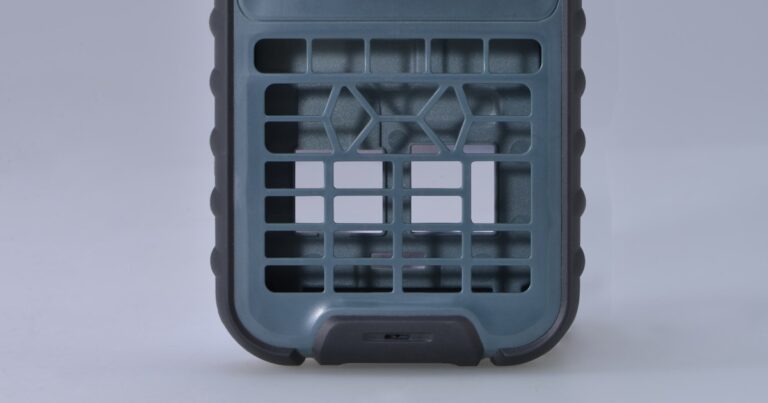
- Honeycomb patterns inside cases distribute impact evenly.
- Raised bezels protect screens and cameras from flat drops.
Fun Fact: Military-Grade Drop Tests
Some brands like OterBox and UAG boast MIL-STD-810G certification, meaning their cases survive drops from over 4 feet onto concrete. This involves rigorous testing of materials and design synergy.
Want to geek out more? The Evelatus article on PC and TPU science is a fantastic deep dive.
1. Hard Plastic Cases: Polycarbonate and Its Protective Powers
Rating Table for Polycarbonate Cases
| Aspect | Rating (1-10) |
|---|---|
| Shock Absorption | 6 |
| Scratch Resistance | 9 |
| Weight | 7 |
| Style | 7 |
| Durability | 9 |
What Makes Polycarbonate (PC) Special?
Polycarbonate is a hard, rigid plastic known for its toughness and scratch resistance. It’s often used as the outer shell in hybrid cases.
- Pros:
- Excellent at preventing scratches and dents.
- Durable and resistant to cracking under normal use.
- Allows for clear or printed designs.
- Cons:
- Rigid nature means less shock absorption.
- Can crack under severe impact or sharp hits.
- May yellow over time without UV stabilizers.
Real-World Use
We tested the Spigen Tough Armor with a polycarbonate shell and TPU bumper. The PC shell protected against scratches and sharp impacts, while the TPU absorbed shocks. Alone, PC cases like the OterBox Symetry offer solid protection but aren’t the best for drops.
Verdict
PC cases are great for scratch resistance and structural integrity, but if you’re prone to dropping your phone, you’ll want a softer layer underneath.
2. TPU Cases: The Flexible Shock Absorber You Didn’t Know You Needed
Rating Table for TPU Cases
| Aspect | Rating (1-10) |
|---|---|
| Shock Absorption | 9 |
| Durability | 8 |
| Grip | 9 |
| Style | 8 |
| Weight | 8 |
TPU: The Shock-Absorbing Chameleon
Thermoplastic Polyurethane (TPU) is a flexible, rubber-like polymer that combines durability with elasticity. It’s the go-to for absorbing shocks and preventing drops.
- Pros:
- Excellent shock absorption thanks to its flexibility.
- Grippy texture reduces accidental slips.
- Resistant to oils, abrasions, and yellowing.
- Easy to mold into slim, stylish cases.
- Cons:
- Can attract dust or lint.
- May stretch or deform over time.
- Not as rigid, so less scratch protection alone.
Case Brands™ Experience
We love TPU for everyday protection. The Caseology Parallax is a fan favorite, with TPU sides that cushion impacts and a textured grip that feels great in hand.
TPU vs. Silicone
TPU offers better durability and less stretch than silicone, making it a more reliable shock absorber over time.
3. Silicone Cases: Soft, Squishy, and Shock-Soaking
Rating Table for Silicone Cases
| Aspect | Rating (1-10) |
|---|---|
| Shock Absorption | 7 |
| Durability | 6 |
| Grip | 10 |
| Style | 7 |
| Weight | 7 |
The Squishy Protector
Silicone cases are soft, flexible, and offer a cushiony feel. They’re great for grip and minor shock absorption.
- Pros:
- Super grippy, preventing drops.
- Soft texture feels nice in hand.
- Absorbs minor shocks and bumps.
- Cons:
- Can stretch and lose shape.
- Prone to attracting dust and lint.
- Less durable than TPU or PC.
Real-World Insight
We tested the Apple Silicone Case and found it excellent for grip and minor drops but not ideal for serious impact protection.
4. Rubber Cases: Grip and Impact Resistance in One Package
Rating Table for Rubber Cases
| Aspect | Rating (1-10) |
|---|---|
| Shock Absorption | 8 |
| Durability | 7 |
| Grip | 9 |
| Style | 6 |
| Weight | 7 |
The Classic Shock Absorber
Ruber cases offer a natural shock-absorbing quality and excellent grip, often used in rugged or heavy-duty cases.
- Pros:
- Great impact resistance.
- Non-slip grip.
- Durable under rough conditions.
- Cons:
- Bulkier than TPU or silicone.
- Style options are often limited.
- Can degrade over time with exposure to elements.
Popular Picks
Brands like OterBox Defender Series use rubberized outer layers for premium protection.
5. Leather Cases: Style Meets Subtle Shock Absorption
Rating Table for Leather Cases
| Aspect | Rating (1-10) |
|---|---|
| Shock Absorption | 4 |
| Durability | 7 |
| Grip | 6 |
| Style | 10 |
| Weight | 6 |
The Premium Look with Some Cushion
Leather cases are more about style and scratch protection than shock absorption. However, the natural padding can soften minor bumps.
- Pros:
- Luxurious feel and appearance.
- Good scratch resistance.
- Ages beautifully with use.
- Cons:
- Minimal shock absorption.
- Can wear or stain.
- Usually more expensive.
Our Take
If you want style with light protection, leather cases like the Nomad Ruged Leather are a great choice. For serious drops, pair with a TPU inner layer.
6. Wood and Hybrid Cases: Natural Beauty with Added Protection
Rating Table for Wood/Hybrid Cases
| Aspect | Rating (1-10) |
|---|---|
| Shock Absorption | 5-7 |
| Durability | 7 |
| Grip | 6 |
| Style | 9 |
| Weight | 7 |
When Nature Meets Engineering
Wood cases offer unique aesthetics but limited shock absorption on their own. Hybrid designs combine wood with TPU or PC for better protection.
- Pros:
- Unique, natural look.
- Can be combined with shock-absorbing materials.
- Durable finish.
- Cons:
- Wood alone is rigid and brittle.
- Heavier than plastic or silicone.
- Limited grip.
Hybrid Example
The Grove Wood Case pairs a wooden back with TPU sides for shock absorption and grip.
7. Air Cushion and Honeycomb Designs: Engineering Shock Absorption
How Design Enhances Protection
Material alone isn’t everything. Many cases incorporate air cushions or honeycomb patterns inside to absorb and distribute impact forces.
- Air Cushion Corners: Tiny air pockets act like mini airbags at vulnerable points.
- Honeycomb Structures: Spread shock energy evenly across the case interior.
- Raised Bezels: Protect screens and cameras from flat drops.
Brands Using These Features
- Spigen Tough Armor uses air cushion technology.
- UAG (Urban Armor Gear) employs honeycomb patterns for military-grade protection.
These design features can boost shock absorption by 20-30% compared to flat cases.
8. Gel and Foam Inserts: The Unsung Heroes of Impact Protection
What Are Gel and Foam Inserts?
Some premium cases include gel or foam padding inside layers to absorb shocks more effectively.
- Gel inserts provide a soft, viscous layer that disperses energy.
- Foam padding acts like a sponge, compressing on impact.
Benefits
- Enhanced shock absorption without bulk.
- Improved comfort and grip.
- Often paired with hard shells for hybrid protection.
Examples
The LifeProof FRĒ case uses gel layers for waterproof and shockproof protection.
9. Magnetic and MagSafe-Compatible Cases: Do They Compromise Shock Absorption?
The Magnetic Factor
MagSafe and magnetic cases add convenience but raise questions about protection.
- Pros:
- Easy attachment of accessories.
- Designed with TPU or hybrid materials to maintain protection.
- Cons:
- Magnetic components can add rigidity.
- Some ultra-thin MagSafe cases sacrifice shock absorption for slimness.
Our Verdict
Brands like Apple and Spigen balance MagSafe compatibility with TPU bumpers for solid shock absorption. Avoid ultra-thin magnetic cases if drop protection is your priority.
10. Wireless Charging and Shock Absorption: Can They Coexist?
The Wireless Charging Dilemma
Wireless charging requires cases to be thin and non-metalic, which can conflict with thick, shock-absorbing designs.
- Good news: TPU and PC hybrids can be engineered thin enough to support wireless charging.
- Bad news: Thick rubber or metal inserts can block charging.
Tips for Buyers
- Look for cases explicitly labeled “wireless charging compatible.”
- Hybrid cases like the OterBox Symetry Series manage both well.
- Avoid bulky cases if you rely heavily on wireless charging.
How to Choose the Best Shock Absorption Phone Case Material for Your Lifestyle
Step 1: Assess Your Risk Level
- Frequent drops? Go for TPU or hybrid cases with air cushions.
- Mostly desk use? PC or leather might suffice.
Step 2: Consider Your Style and Grip Needs
- Want a slim, stylish case? TPU or PC with minimal bulk.
- Need grip? Silicone or rubber cases shine here.
Step 3: Check Compatibility
- Wireless charging? Avoid thick or metal-heavy cases.
- MagSafe? Choose TPU-based magnetic cases.
Step 4: Read Reviews and Test Fit
- User reviews reveal real-world durability.
- Try cases on if possible to check grip and comfort.
Top Brands and Models Excelling in Shock Absorbing Phone Cases
| Brand | Notable Model | Material Type | Special Features |
|---|---|---|---|
| OterBox | Defender Series | Hybrid (Ruber + PC) | MIL-STD-810G certified, rugged |
| Spigen | Tough Armor | TPU + PC | Air cushion corners, slim design |
| UAG | Monarch Series | Hybrid | Honeycomb pattern, military-grade |
| Caseology | Parallax | TPU | Textured grip, stylish |
| Nomad | Ruged Leather | Leather + TPU | Premium leather, shock absorbent |
| LifeProof | FRĒ | TPU + Gel | Waterproof + shockproof |
DIY and Customization Tips: Boost Your Case’s Shock Absorption
- Add a silicone sleeve under a hard case for extra cushion.
- Use screen protectors with shock-absorbing properties.
- Apply corner bumpers or adhesive gel pads inside your case.
- Customize with skins or wraps that add minimal bulk but improve grip.
Myths and Facts: What Shock Absorption Materials Can and Can’t Do
Myth: Thicker cases always mean better protection
- Fact: Design and material quality matter more than thickness alone.
Myth: Leather cases protect against drops
- Fact: Leather offers minimal shock absorption; it’s mostly style and scratch protection.
Myth: Hard plastic cases prevent all damage
- Fact: They protect against scratches but can crack on impact and don’t absorb shock well.
Myth: TPU cases yellow quickly
- Fact: Modern TPU formulations resist yellowing; quality varies by brand.
Environmental Impact: Are Shock Absorbing Cases Eco-Friendly?

- TPU and PC are recyclable but often hard to recycle when combined.
- Some brands like Pela Case offer biodegradable TPU alternatives.
- Wood and leather cases use natural materials but may have higher carbon footprints.
- Look for brands with sustainability initiatives if eco-friendliness matters to you.
Don’t forget to check out the first YouTube video for a lively showcase of phone case styles and protection levels from Wireless Emporium!