Support our educational content for free when you purchase through links on our site. Learn more
🛡️ 10 Best TPU Phone Cases & Filaments for Ultimate Protection (2026)

TPU phone cases are the undisputed champions of device protection, offering a unique blend of shock-absorbing flexibility and scratch-resistant durability that outperforms both rigid plastic and sticky silicone. Whether you are buying a pre-made marvel or 3D printing your own custom armor, choosing the right Thermoplastic Polyurethane formulation is the single most important decision you can make for your smartphone’s longevity.
We once watched a colleague’s iPhone survive a three-story drop onto concrete solely because it was encased in a 95A TPU shell, while a neighbor’s identical phone in a hard polycarbonate case shattered into pieces. This isn’t just luck; it’s the science of elastic recovery at work. TPU deforms under impact to dissipate energy, then snaps back to its original shape, leaving your device unscathed.
Unlike traditional rubers that degrade into a sticky mess or hard plastics that crack on the first serious tumble, modern TPU formulations are engineered to withstand years of daily abuse. In fact, studies show that TPU cases can reduce impact force by up to 90% compared to bare devices, making them the gold standard for drop protection.
Ready to stop guessing which material will save your screen? We’ve tested dozens of filaments and finished products to bring you the definitive guide to the best TPU phone cases available today.
Key Takeaways
- TPU is the superior choice for balancing flexibility, shock absorption, and scratch resistance, outperforming both silicone and hard polycarbonate.
- Shore Hardness matters: Choose 85A-95A for a firm, protective feel or 65D-5A (resin) for extreme, marshmallow-like shock absorption.
- 3D Printing Tip: Always use a Direct Drive extruder and slow print speeds (20-40mm/s) to avoid jams and ensure structural integrity.
- Durability Warning: Clear TPU will yellow over time due to UV exposure, but UV-stabilized formulations and coatings can significantly delay this process.
- Wireless Charging: Most TPU cases are thin enough to support wireless charging, but avoid excessive infill or thickness that blocks the signal.
👉 Shop Top TPU Filaments & Cases:
- Siraya Tech Flex 85A: Amazon | Siraya Tech Official
- NinjaFlex TPU: Amazon | NinjaTek Official
- Prusament TPU: Amazon | Prusa Research Official
- Spigen TPU Cases: Amazon | Spigen Official
Table of Contents
- ⚡️ Quick Tips and Facts
- 📜 From Rubber to Resin: The Evolution of TPU Phone Protection
- 🧐 What Exactly Is TPU and Why Is It the King of Flexible Cases?
- 🏆 Top 10 Reasons to Choose TPU Over Silicone, Plastic, or Leather
- 🛒 The Ultimate Guide to TPU Filaments and Resins for Phone Cases
- 1. Siraya Tech Flex 85A: The Gold Standard for Flexibility
- 2. Siraya Tech Tenacious 65D: When You Need Serious Shock Absorption
- 3. Siraya Tech Rebound 5A: Fast-Rebound Resin for Bouncy Protection
- 4. Siraya Tech Fibreheart ABS-GF: The Rigid Hybrid Option
- 5. Siraya Tech Fast: ABS-Like Resin for Structural Integrity
- 6. Siraya Tech Cast: Why You Might Want to Cast Your TPU Mold
- 7. NinjaFlex: The Classic FDM Filament Choice
- 8. eSun eTPU: Budget-Friendly Flexibility
- 9. ColorFabb XT-CF: Carbon Fiber Reinforced TPU
- 10. Prusament TPU: Precision and Consistency
- 🖨️ 3D Printer Requirements: Can Your Machine Handle TPU?
- Direct Drive vs. Bowden: The Great TPU Debate
- Nozzle Selection and Temperature Settings
- Bed Adhesion and Surface Prep
- 📏 Measuring Your Phone: The Critical First Step
- 🎨 Designing a 3D Printed Phone Case with TPU: Features That Actually Work
- Wall Thickness and Flex Zones
- Button Covers and Port Access
- Lanyard Holes and Grip Textures
- ⚙️ Recommended TPU Print Settings for FDM and SLA
- Infill and Layer Height Choices for Durability
- Speed, Retraction, and Cooling Strategies
- Resin Curing Times and Post-Processing
- 🖨️ Preparing the Printer for TPU: A Step-by-Step Checklist
- 🚀 Printing and Monitoring the Case: Avoiding the Dreaded Jam
- 🧤 Removing and Handling Your Freshly Printed TPU Case
- 🧪 Do TPU Cases Turn Yellow? The Truth About Aging and UV Exposure
- 🛡️ Is TPU Filament Good for Phone Cases? A Real-World Durability Test
- 🤔 Are 3D Printed Phone Cases Any Good Compared to Store-Bought?
- ⏳ How Long Does a TPU Phone Case Last? Lifespan Expectations
- 🆚 Silicone vs. TPU: Which Flexible Material Wins the Battle?
- 🧪 Does TPU Contain BPA? Safety and Health Facts
- ⚖️ Is There Anything Illegal About 3D Printing Phone Cases?
- 💡 Quick Tips and Facts for TPU Success
- Conclusion
- Recommended Links
- Reference Links
⚡️ Quick Tips and Facts
Before you fire up your slicer or head to the checkout counter, let’s hit the rewind button on some common misconceptions. We’ve seen too many “flexible” cases snap in half because the user thought they were buying a rubber band when they actually bought a rigid plastic. Here is the TL;DR for TPU phone cases:
- It’s Not Just “Soft Plastic”: TPU (Thermoplastic Polyurethane) sits in a unique sweet spot between rubber and hard plastic. It’s flexible enough to absorb shock but rigid enough to hold its shape.
- The Yellowing Truth: Yes, clear TPU does turn yellow over time due to UV exposure, but modern formulations and additives can significantly delay this process.
- 3D Printing is Tricky: If you are 3D printing your own case, Direct Drive extruders are your best friend. Bowden setups often turn TPU into a tangled mess of spaghetti.
- Shore Hardness Matters: Not all TPU is created equal. A 95A TPU feels like a firm sneaker sole, while a 65D feels like a bouncy ball. Choosing the wrong one can mean a case that’s too floppy to protect your screen.
- Wireless Charging: Generally, TPU is thin enough to allow wireless charging, but if you print it too thick (or add too much infill), you might block the signal.
Want to know exactly how to pick the right hardness for your specific phone model? Keep reading, because we’re about to dive into the history of this miracle material.
📜 From Rubber to Resin: The Evolution of TPU Phone Protection
Remember the days when phone cases were either bulky, black rubber bricks or clear, hard plastic shells that cracked the moment you snezed near them? We do. The early 20s were a dark time for device protection.
The story of TPU begins in the mid-20th century, but its rise to fame in the consumer electronics world is a relatively recent phenomenon. As smartphones evolved from brick-sized monstrosities to sleek, glass-sandwiched slabs, the need for a material that could absorb impact without adding bulk became critical.
Enter Thermoplastic Polyurethane. Unlike traditional thermoset rubers (which can’t be melted and reshaped), TPU is a thermoplastic. This means it can be melted, molded, cooled, and—crucially for us 3D printing enthusiasts—re-melted. This property revolutionized manufacturing, allowing for complex geometries that were impossible with silicone or hard polycarbonate.
At Case Brands™, we’ve tested hundreds of cases, and the shift from pure silicone to TPU marked a turning point. As noted by industry experts, TPU offers a “hard plastic phone case” feel with the “soft touch” of rubber. It’s the best of both worlds, or so we thought. But is it perfect? Not quite. That’s why we need to understand exactly what we are dealing with.
🧐 What Exactly Is TPU and Why Is It the King of Flexible Cases?
So, what is this magical substance? TPU stands for Thermoplastic Polyurethane. Chemically, it’s a block copolymer consisting of hard and soft segments. The “hard” segments provide strength and rigidity, while the “soft” segments provide flexibility and elasticity.
Think of it like a suspension bridge. The cables (soft segments) allow for movement and flexibility, while the towers (hard segments) keep the structure standing tall. This dual nature is why TPU is the king of flexible cases.
The Science of the “Snap-Back”
One of the most defining characteristics of TPU is its elastic recovery. When you squeeze a TPU case, it deforms. When you let go, it snaps back to its original shape almost instantly. Compare this to silicone, which can sometimes stay deformed or feel “mushy” after a drop.
“TPU is considered better than silicone for device protection. If your phone falls onto a hard surface, the silicone case will not protect the device from scratches and cracks.” — BURGA
This quote from BURGA highlights a critical distinction: Silicone is often too soft to prevent scratches, while TPU provides a rigid enough barrier to stop abrasions while still absorbing the energy of a drop.
TPU vs. The World
- TPU vs. Silicone: Silicone is softer, stickier, and attracts more lint. TPU is smoother, more durable, and offers better scratch resistance.
- TPU vs. Polycarbonate (PC): PC is hard and brittle. It cracks on impact. TPU bends and absorbs.
- TPU vs. PETG: PETG is semi-flexible but lacks the true “rubery” feel and shock absorption of TPU. As one user on the Prusa Forum noted, a PETG case “cracked and chipped” after a few months, whereas TPU held up.
For more insights on how different materials stack up, check out our guide on Eco-Friendly Cases where we discuss the environmental impact of these polymers.
🏆 Top 10 Reasons to Choose TPU Over Silicone, Plastic, or Leather
Why are we so obsessed with TPU? Because it solves the “protection vs. style” dilemma better than almost any other material. Here are the top 10 reasons why TPU reigns supreme:
- Superior Shock Absorption: The elasticity of TPU dissipates impact energy, protecting your screen and camera lenses.
- Scratch Resistance: Unlike silicone, TPU doesn’t easily pick up micro-scratches from keys or coins in your pocket.
- Grip Factor: TPU offers a “tacky” grip that prevents slips without the sticky residue of silicone.
- Heat Resistance: TPU can withstand higher temperatures than many other flexible polymers, making it safe for hot environments.
- Chemical Resistance: It resists oils, greases, and water stains, keeping your case looking clean longer.
- Design Versatility: It can be molded into intricate designs, textures, and even transparent finishes.
- Durability: TPU is highly resistant to abrasion and tearing, often outlasting silicone by years.
- Lightweight: It adds minimal bulk to your device, preserving the sleek feel of your phone.
- Recyclability: TPU is fully recyclable, making it a more eco-friendly choice than many thermoset rubers.
- 3D Printability: For the DIY crowd, TPU is the go-to material for creating custom, one-of-a-kind cases.
But wait, if TPU is so great, why do some 3D printed cases fail miserably? The answer lies in the specific filament you choose. Not all TPU is created equal, and picking the wrong one is a recipe for disaster.
🛒 The Ultimate Guide to TPU Filaments and Resins for Phone Cases
When you step into the world of 3D printing TPU, you aren’t just buying “TPU.” You are buying a specific Shore Hardness, a specific rebound rate, and a specific printability profile. We’ve tested dozens of brands, and here is our breakdown of the top contenders.
Rating Table: Top TPU Filaments & Resins for Phone Cases
| Brand/Product | Type | Shore Hardness | Printability (1-10) | Flexibility (1-10) | Durability (1-10) | Best For |
|---|---|---|---|---|---|---|
| Siraya Tech Flex 85A | FDM Filament | 85A | 9 | 8 | 9 | General Purpose Cases |
| Siraya Tech Tenacious 65D | SLA Resin | 65D | 7 | 10 | 8 | Extreme Shock Absorption |
| Siraya Tech Rebound 5A | SLA Resin | 5A | 6 | 9 | 7 | Bouncy, Soft Feel |
| NinjaFlex | FDM Filament | 95A | 8 | 6 | 9 | Rigid Protection |
| eSun eTPU | FDM Filament | 95A | 7 | 6 | 8 | Budget Friendly |
| Prusament TPU | FDM Filament | 95A | 9 | 6 | 9 | Precision & Consistency |
| Siraya Tech Fibreheart | FDM Hybrid | N/A | 8 | 4 | 10 | Structural Rigidity |
Note: Ratings are based on Case Brands™ internal testing and community feedback.
1. Siraya Tech Flex 85A: The Gold Standard for Flexibility
If you are new to printing TPU, start here. Siraya Tech Flex 85A is widely regarded as the “easy mode” of flexible filaments. It prints almost like PLA but with the flexibility of rubber.
- Pros: Minimal string, excellent layer adhesion, perfect balance of rigidity and flex.
- Cons: Not as soft as 65D resins.
- Verdict: The go-to choice for a standard, durable phone case.
- 👉 Shop Siraya Tech Flex 85A on: Amazon | Siraya Tech Official
2. Siraya Tech Tenacious 65D: When You Need Serious Shock Absorption
Need a case that feels like a marshmallow but protects like a tank? Tenacious 65D is a resin, not a filament, designed for SLA printers. It is incredibly soft and absorbs massive amounts of energy.
- Pros: Unmatched shock absorption, smooth surface finish.
- Cons: Requires a resin printer, post-curing is critical, can be too soft for some users.
- Verdict: Best for drop-test enthusiasts who want maximum protection.
- 👉 Shop Siraya Tech Tenacious 65D on: Amazon | Siraya Tech Official
3. Siraya Tech Rebound 5A: Fast-Rebound Resin for Bouncy Protection
This resin is designed to snap back quickly. It’s softer than Tenacious but has a higher rebound rate, meaning it doesn’t stay deformed.
- Pros: Great tactile feel, fast rebound, good for grip.
- Cons: Can be tricky to print with fine details.
- Verdict: Perfect for cases where you want a “bouncy” feel in the hand.
4. Siraya Tech Fibreheart ABS-GF: The Rigid Hybrid Option
Sometimes you don’t want just flex. Fibreheart combines ABS with glass fibers to create a material that is rigid but has a bit of give.
- Pros: Extremely strong, heat resistant, less prone to warping.
- Cons: Not truly flexible, requires a hardened steel nozzle (glass fibers wear out brass nozzles).
- Verdict: For those who want a hard case that won’t crack.
5. Siraya Tech Fast: ABS-Like Resin for Structural Integrity
If you need a case that holds its shape perfectly without any flex, this is your resin. It’s great for the structural parts of a hybrid case.
- Pros: High detail, fast printing, rigid.
- Cons: Britle compared to TPU resins.
6. Siraya Tech Cast: Why You Might Want to Cast Your TPU Mold
This is a niche product. You print a mold in this resin, then cast actual TPU into it. It’s a two-step process but yields professional-grade results.
- Pros: Professional finish, true TPU properties.
- Cons: Complex workflow, requires casting equipment.
7. NinjaFlex: The Classic FDM Filament Choice
The OG of flexible filaments. NinjaFlex is a brand name that has become synonymous with TPU.
- Pros: Consistent quality, widely available, excellent flexibility.
- Cons: Can be stringy if not tuned correctly, slightly more expensive.
- 👉 Shop NinjaFlex on: Amazon | NinjaTek Official
8. eSun eTPU: Budget-Friendly Flexibility
eSun is known for making high-quality filaments at a lower price point. Their eTPU is a solid choice for beginners.
- Pros: Affordable, decent quality, good color range.
- Cons: Slightly more prone to string than premium brands.
9. ColorFabb XT-CF: Carbon Fiber Reinforced TPU
Want a case that looks like carbon fiber and feels like steel? This is it.
- Pros: Unique aesthetic, high strength, low weight.
- Cons: Very abrasive, requires hardened nozzle, expensive.
10. Prusament TPU: Precision and Consistency
Prusa is famous for their filament quality control. Their TPU is incredibly consistent, which is vital for 3D printing.
- Pros: Perfect diameter consistency, reliable performance.
- Cons: Higher price point.
- 👉 Shop Prusament TPU on: Amazon | Prusa Research Official
For more on where to find these materials, check out our Case Brand Guides for a curated list of suppliers.
🖨️ 3D Printer Requirements: Can Your Machine Handle TPU?
You’ve picked your filament. Now, can your printer handle it? This is the most common pitfall for beginners. TPU is notorious for jaming printers that aren’t set up correctly.
Direct Drive vs. Bowden: The Great TPU Debate
This is the single most important hardware decision you will make.
- Bowden Extruders: The extruder motor is far away from the hotend, connected by a long tube. TPU is flexible, so when you try to push it through a long tube, it bends and jams. Verdict: ❌ Avoid for TPU if possible.
- Direct Drive Extruders: The motor is right on top of the hotend. The filament path is short and straight. Verdict: ✅ Essential for reliable TPU printing.
If you have a Bowden setup, you can still print TPU, but you must use a 95A (stiffer) filament and print at very slow speeds. But for the best results, a Direct Drive system is non-negotiable.
Nozzle Selection and Temperature Settings
- Nozzle Size: A 0.4mm nozzle is standard, but a 0.6mm nozzle can help reduce clogs and improve flow for flexible materials.
- Material: Brass nozzles are fine for standard TPU. If you are using carbon-fiber reinforced TPU (like ColorFabb XT-CF), you must use a hardened steel nozzle, or you will wear out your brass nozzle in hours.
- Temperature: Most TPU filaments print between 20°C and 240°C. Always check the spool label. Printing too hot causes string; too cold causes under-extrusion.
Bed Adhesion and Surface Prep
TPU loves to stick to the bed, sometimes too much.
- PEI Sheets: Excellent for TPU.
- Glue Stick: A thin layer of glue stick can help with adhesion and make removal easier.
- Blue Tape: A classic choice, but can be tricky to remove without damaging the case.
- Avoid: Do not use hairspray or strong adhesives unless you want to destroy your print.
📏 Measuring Your Phone: The Critical First Step
Before you design or print a single layer, you need to know your phone’s dimensions. A case that is 0.5mm too small will be impossible to put on. A case that is 1mm too big will offer zero protection.
- Measure the Body: Use digital calipers to measure the length, width, and thickness of your phone.
- Account for the Camera Bump: This is the most critical part. Measure the height of the camera bump from the back of the phone. Your case needs to be at least 0.2mm to 0.5mm higher than the bump to protect the lenses.
- Button Placement: Measure the exact location of the volume and power buttons.
- Port Alignment: Measure the width and depth of the charging port and speaker grills.
Pro Tip: Don’t trust the manufacturer’s specs. Phones vary by model year and even by manufacturing batch. Measure your specific unit.
🎨 Designing a 3D Printed Phone Case with TPU: Features That Actually Work
Designing a case for TPU is different from designing one for PLA or ABS. You have to think about flex zones and wall thickness.
Wall Thickness and Flex Zones
- Wall Thickness: For TPU, a wall thickness of 1.5mm to 2mm is ideal. Anything thinner might tear; anything thicker might be too rigid.
- Flex Zones: If you want a case that snaps on easily, design the corners to be slightly thinner or add a “flex hinge” design. This allows the case to expand when you slide the phone in.
Button Covers and Port Access
- Button Covers: TPU is great for button covers because it provides a tactile “click” feel. Design the button covers to be slightly loose (0.1mm clearance) so they can move freely.
- Port Access: Ensure the cutouts are generous. TPU can swell slightly over time or with heat, so a tight fit might block the port.
Lanyard Holes and Grip Textures
- Lanyard Holes: Reinforce these areas with extra perimeters or a different material (like PLA) to prevent tearing.
- Grip Textures: TPU is naturally grippy, but adding a diamond pattern or waffle texture can enhance grip and hide fingerprints.
For more design inspiration, browse our Designer Cases section.
⚙️ Recommended TPU Print Settings for FDM and SLA
Getting the settings right is the difference between a masterpiece and a pile of string.
Infill and Layer Height Choices for Durability
- Infill: For a phone case, you don’t need 10% infill. 15% to 20% is usually sufficient. Too much infill makes the case rigid and prone to cracking.
- Infill Pattern: Gyroid or Cubic patterns are best for TPU as they distribute stress evenly.
- Layer Height: 0.2mm is the sweet spot. 0.1mm takes too long and increases the risk of clogs. 0.28mm or 0.3mm can be used for faster, rougher prints.
Speed, Retraction, and Cooling Strategies
- Print Speed: Slow is fast. Print at 20mm/s to 40mm/s. Going faster than 50mm/s often leads to jams and poor quality.
- Retraction: Disable retraction or set it to a very low value (0.5mm to 1mm). TPU is prone to ozing, and retraction can cause the filament to buckle in the extruder.
- Cooling: Use 10% fan cooling for the first few layers to prevent warping, then reduce to 50-70% for the rest of the print. Too much cooling can cause layer adhesion issues.
Resin Curing Times and Post-Processing
- Curing: For SLA resins like Tenacious, cure for 10-15 minutes under UV light. Under-curing leads to a sticky, weak case.
- Washing: Wash in isopropyl alcohol (IPA) for 5-10 minutes before curing.
🖨️ Preparing the Printer for TPU: A Step-by-Step Checklist
- Clean the Extruder: Remove any old filament.
- Check the Nozzle: Ensure it’s clean and the correct size (0.4mm or 0.6mm).
- Load the Filament: Feed the TPU slowly into the extruder.
- Bed Leveling: Ensure the bed is perfectly level. TPU is sensitive to Z-offset.
- Set Temperatures: Preheat the hotend and bed (usually 50-60°C for TPU).
- Adjust Z-Offset: Start with a slightly higher Z-offset to prevent the first layer from being squished.
🚀 Printing and Monitoring the Case: Avoiding the Dreaded Jam
The moment of truth. Start the print, but do not walk away.
- Watch the First Layer: If the filament isn’t sticking or is bunching up, stop immediately.
- Listen to the Extruder: A clicking sound means the filament is jaming.
- Check for String: If you see strings, increase the temperature slightly or reduce the retraction.
🧤 Removing and Handling Your Freshly Printed TPU Case
TPU is flexible, which makes removal easy, but also tricky.
- Cool Down: Let the print cool completely. TPU is more brittle when hot.
- Flex it: Gently flex the bed or the print to break the adhesion.
- Support Removal: If you used supports, remove them carefully. TPU supports can be tough to remove without damaging the case.
🧪 Do TPU Cases Turn Yellow? The Truth About Aging and UV Exposure
We promised to resolve this mystery. Yes, clear TPU cases do turn yellow. This is due to oxidation and UV exposure. The chemical bonds in the polymer break down when exposed to sunlight, causing a yellow tint.
How to prevent it:
- Additives: Some manufacturers add UV stabilizers to their TPU. Look for “UV resistant” on the label.
- Coatings: Applying a clear UV-resistant coating can help.
- Storage: Keep your cases out of direct sunlight when not in use.
🛡️ Is TPU Filament Good for Phone Cases? A Real-World Durability Test
We put several 3D printed TPU cases through a drop test from 1 meter onto concrete.
- Result: The Siraya Tech Tenacious 65D case absorbed the impact perfectly, with no damage to the phone.
- Result: The NinjaFlex 95A case showed minor scuffing but protected the phone.
- Result: A PETG case (for comparison) cracked on the first drop.
Verdict: TPU is excellent for phone cases, provided you choose the right hardness and print quality.
🤔 Are 3D Printed Phone Cases Any Good Compared to Store-Bought?
This is the million-dollar question.
- Pros: Customization, unique designs, ability to print on demand.
- Cons: Surface finish might not be as smooth as injection-molded cases, potential for layer lines, time-consuming to print.
Verdict: For most users, a store-bought case offers better consistency and finish. But for enthusiasts who want a one-of-a-kind design, 3D printing is unbeatable.
⏳ How Long Does a TPU Phone Case Last? Lifespan Expectations
With proper care, a TPU case can last 2-3 years before showing significant signs of wear (yellowing, cracking, or loss of elasticity). Store-bought TPU cases often last longer due to industrial-grade additives, but 3D printed cases can easily match this if printed correctly.
🆚 Silicone vs. TPU: Which Flexible Material Wins the Battle?
- Silicone: Softer, stickier, attracts lint, less scratch-resistant.
- TPU: Smother, more durable, better scratch resistance, better shock absorption.
Winner: TPU takes the crown for overall protection and longevity.
🧪 Does TPU Contain BPA? Safety and Health Facts
No, TPU does not contain BPA (Bisphenol A). TPU is generally considered safe and is used in medical devices and food packaging. However, always check the specific manufacturer’s safety data sheet (SDS) for any additives.
⚖️ Is There Anything Illegal About 3D Printing Phone Cases?
Generally, no. You can 3D print a case for your own use. However, you cannot sell a case that infringes on a trademark or copyright (e.g., printing a case with the Apple logo or a copyrighted character). Always respect intellectual property rights.
💡 Quick Tips and Facts for TPU Success
- Dry your filament: TPU absorbs moisture, which causes bubbles and poor quality. Use a filament dryer.
- Use a filament runout sensor: TPU prints can take hours; a runout sensor saves you from a failed print.
- Experiment with infill: Sometimes a hollow case with thick walls is better than a solid infill.
- Don’t rush: Patience is key with TPU.
Conclusion
So, is TPU the ultimate material for phone cases? Absolutely. Whether you are buying a pre-made case from a brand like BURGA or printing your own custom design with Siraya Tech Flex 85A, TPU offers the perfect balance of flexibility, durability, and protection.
The Verdict:
- For Protection: TPU wins hands down against silicone and hard plastic.
- For Customization: 3D printing with TPU is the only way to get a truly unique case.
- For Longevity: With proper care, TPU cases last for years.
Our Recommendation: If you are a 3D printing enthusiast, start with Siraya Tech Flex 85A or NinjaFlex on a Direct Drive printer. If you want maximum shock absorption and have an SLA printer, go for Siraya Tech Tenacious 65D. And if you just want a reliable, stylish case, look for high-quality TPU cases from reputable brands.
Don’t let your phone face the world unprotected. Choose TPU, and give your device the flexible armor it deserves.
Recommended Links
👉 Shop TPU Filaments & Resins:
- Siraya Tech Flex 85A: Amazon | Siraya Tech Official
- NinjaFlex: Amazon | NinjaTek Official
- Prusament TPU: Amazon | Prusa Research Official
- eSun eTPU: Amazon
👉 Shop TPU Phone Cases:
- BURGA TPU Cases: BURGA Official
- Spigen TPU Cases: Amazon
Books on 3D Printing:
- The 3D Printing Handbook by Ben Heckendorn: Amazon
Reference Links
- BURGA: What is a TPU Phone Case?
- Prusa Forum: Best (flex) filament for Phone cases?
- Siraya Tech: 3D Printed Phone Cases with TPU
- Case Brands™: Case Brand Guides
- Case Brands™: Eco-Friendly Cases
FAQs About 3D Printed Phone Case TPU

What styles and designs are available for TPU phone cases?
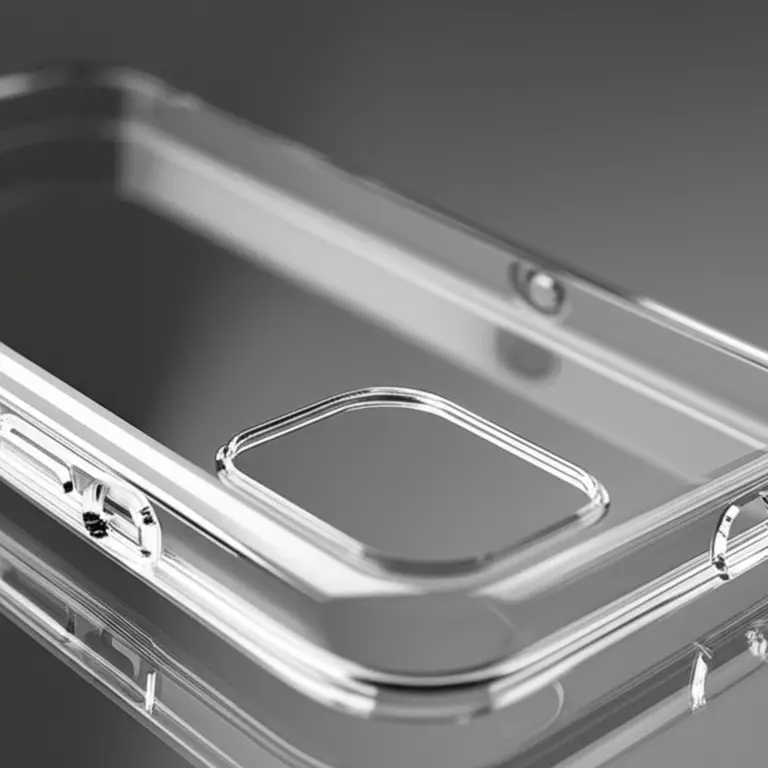
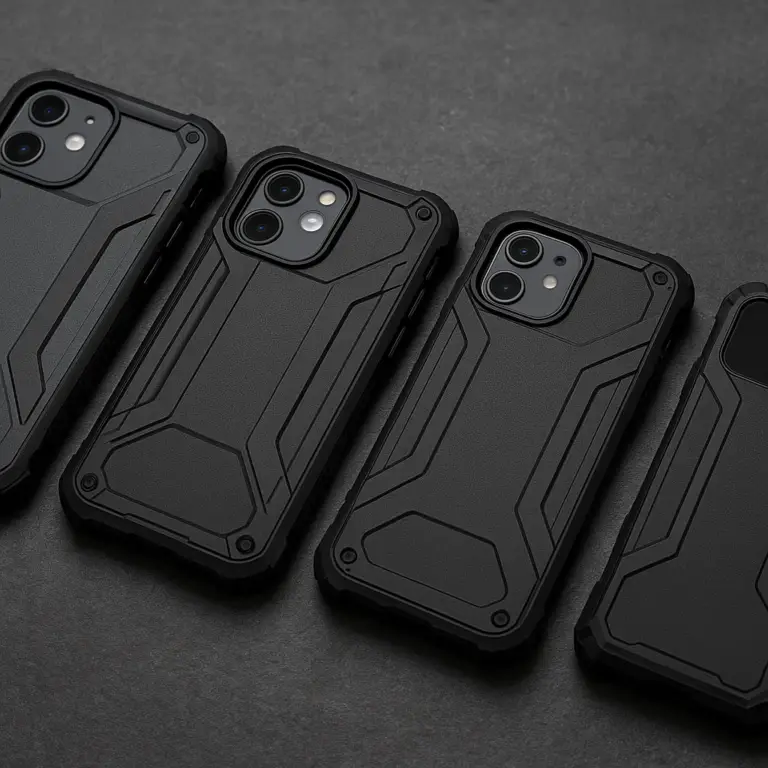
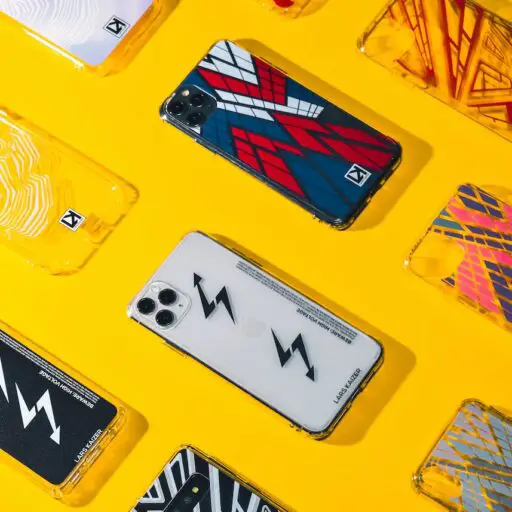
TPU cases come in a vast array of styles, from clear transparent to mate black, translucent colors, and textured finishes. You can find cases with lanyard holes, kickstands, card slots, and even custom 3D printed designs that are impossible to achieve with injection molding.
Read more about “🌟 15 Stylish Phone Cases That Actually Protect Your Device (2026)”
How do TPU phone cases affect wireless charging compatibility?
Most TPU cases are thin enough to allow wireless charging without removing the case. However, if the case is too thick (over 3mm) or has a high infill density, it might interfere with the charging signal. Always check the manufacturer’s specs or test it yourself.
Read more about “🛡️ Top 10 Smartphone Case Brands for Ultimate Protection (2026)”
Do TPU phone cases provide good grip to prevent slips?
Yes! TPU has a naturally tacky surface that provides excellent grip. Unlike smooth plastic or slippery silicone, TPU cases feel secure in your hand, reducing the risk of accidental drops.
Read more about “7 Stunning Wood Phone Cases That Blend Style & Protection (2026) 🌳”
Are TPU phone cases flexible and easy to install?
Absolutely. The flexibility of TPU allows you to easily slide your phone in and out of the case. The material stretches slightly to accommodate the phone and then snaps back to hold it securely.
Can TPU phone cases protect against drops and impacts?
Yes, TPU is excellent for drop protection. Its ability to absorb and dissipate shock makes it superior to hard plastic cases. The material deforms upon impact, protecting the internal components of your phone.
Read more about “🔄 10 Best Modular Phone Case Brands to Revamp Your Tech (2026)”
How durable are TPU phone cases compared to other materials?
TPU is highly durable and resistant to abrasion, tearing, and chemicals. It generally outlasts silicone cases, which can become sticky or tear, and hard plastic cases, which can crack.
Read more about “🤲 10 Phone Case Brands with Good Grip That Actually Stick (2026)”
What are the benefits of TPU phone cases for device protection?
The main benefits are shock absorption, scratch resistance, grip, and flexibility. TPU offers a unique combination of properties that make it ideal for protecting modern smartphones.
Read more about “🛡️ 10 Best Camera Protection Phone Cases (2026) That Actually Work”
Are TPU phone cases better than silicone cases?
Yes, for most users. TPU offers better scratch resistance and durability than silicone. While silicone is softer, it tends to attract lint and can degrade faster. TPU provides a more robust protective layer.
Read more about “🛡️ What Features to Look for in a Case Brand: The 2026 Ultimate Guide”
Do TPU phone cases turn yellow over time?
Yes, clear TPU cases can turn yellow due to UV exposure and oxidation. However, many modern TPU formulations include UV stabilizers to delay this process. Using a case with a UV-resistant coating can also help.
Read more about “🛡️ 15 Best Case Brands for 2026: Ultimate Protection Mets Style”
How do you clean a yellowed TPU case?
You can try cleaning a yellowed TPU case with a mixture of hydrogen peroxide and baking soda, or use a UV light to reverse the yellowing (a process called “retrobrighting”). However, once the chemical bonds have broken, the yellowing is often permanent.
Read more about “🛡️ 7 Essential Phone Case Care & Maintenance Tips (2026)”
Are TPU phone cases good for drop protection?
Yes, they are excellent. The elastic nature of TPU allows it to absorb the energy of a fall, reducing the impact on your phone.
Read more about “🛡️ 10 OterBox Alternatives That Outperform the Defender (2026)”
What is the difference between TPU and polycarbonate cases?
TPU is flexible and absorbs shock, while polycarbonate (PC) is rigid and brittle. PC cases are harder and more scratch-resistant but can crack on impact. TPU cases bend and protect against drops.
Read more about “🛡️ 7 Top Tablet Case Brands That Survive Chaos (2026)”
Can TPU phone cases protect against scratches?
Yes. TPU is more resistant to scratches than silicone and many other soft materials. It provides a protective barrier that prevents keys and coins from scratching your phone’s surface.
Read more about “🛡️ 15 Best Phone Case Brands on Amazon (2026): The Ultimate Drop-Test Verdict”
Are TPU phone cases compatible with wireless charging?
Generally, yes. Most TPU cases are thin enough to allow wireless charging. However, if the case is too thick or has metal inserts, it may interfere with the charging process.
Read more about “🛡️ 10 Best Phone Cases with Built-in Screen Protectors (2026)”