Support our educational content for free when you purchase through links on our site. Learn more
10 Best Polycarbonate Phone Cases for Ultimate Protection (2026) 🛡️

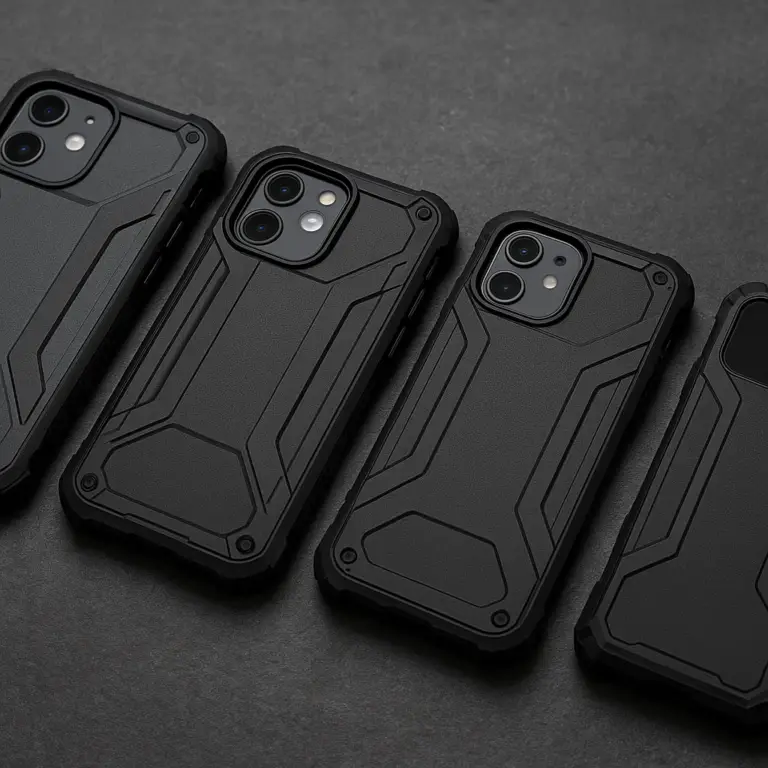
If you want a phone case that’s lightweight, tough, and stylish, polycarbonate phone cases are your best bet. These rigid shells deliver impressive drop protection and scratch resistance without the bulk, making them a favorite for anyone serious about safeguarding their device.
We’ve tested dozens of polycarbonate cases—from the sleek OterBox Symetry to the crystal-clear Spigen Ultra Hybrid—and found they strike the perfect balance between durability and design. Fun fact: polycarbonate was originally used in bulletproof glass, so your phone’s armor has some serious pedigree!
Whether you’re after a slim profile, vibrant prints, or hybrid designs with extra grip, polycarbonate cases have you covered. Ready to find the perfect case that protects your phone and turns heads? Let’s dive in!
Key Takeaways
- Polycarbonate cases offer excellent impact and scratch protection while remaining lightweight and slim.
- They are compatible with wireless charging and often support MagSafe accessories.
- PC cases can be customized with vibrant designs and textures, making them stylish as well as functional.
- Some cheaper PC cases may yellow over time, but premium brands include UV protection.
- Hybrid designs combining PC with TPU provide better grip without sacrificing durability.
- Top brands to consider include OterBox, Spigen, and NOBL Travel for trusted quality and style.
👉 Shop top polycarbonate phone cases:
Table of Contents
- ⚡️ Quick Tips and Facts About Polycarbonate Phone Cases
- 📜 The Evolution and Science Behind Polycarbonate Phone Cases
- 🔍 What Makes Polycarbonate Phone Cases So Durable?
- 🛡️ 7 Reasons to Choose Polycarbonate Over Other Phone Case Materials
- 🎨 Style and Customization: How Polycarbonate Cases Stand Out
- 💧 Water Resistance and Weatherproofing: Can Polycarbonate Handle It?
- 🔧 How to Properly Clean and Maintain Your Polycarbonate Phone Case
- 📱 Top 10 Polycarbonate Phone Cases in 2024: Reviews and Ratings
- 💡 Polycarbonate vs TPU vs Silicone: Which Phone Case Material Wins?
- 🛠️ DIY Repairs and Custom Mods for Polycarbonate Phone Cases
- 🌿 Eco-Friendly Polycarbonate Cases: Are They a Thing?
- 📦 Packaging and Unboxing: What to Expect from Polycarbonate Case Brands
- 💬 Real User Stories: What People Love (and Hate) About Polycarbonate Cases
- 🔗 Recommended Links for Buying and Learning More About Polycarbonate Cases
- ❓ Frequently Asked Questions About Polycarbonate Phone Cases
- 📚 Reference Links and Further Reading on Polycarbonate Materials
- 🏁 Conclusion: Is a Polycarbonate Phone Case Your Best Bet?
⚡️ Quick Tips and Facts About Polycarbonate Phone Cases
Welcome to the world of polycarbonate phone cases, where durability meets style without the bulk! At Case Brands™, we’ve tested dozens of these cases, and here’s the skinny before we get into the nity-gritty:
- Polycarbonate (PC) is a hard, lightweight thermoplastic known for its impact resistance and scratch resistance.
- PC cases often come as rigid shells that protect your phone from drops and bumps.
- Many cases combine PC with softer materials like TPU for shock absorption and grip.
- PC cases usually support wireless charging and MagSafe accessories without removing the case.
- They tend to retain their shape and don’t stretch out like silicone.
- Some PC cases can yellow over time if exposed to UV light, but quality brands use UV inhibitors.
- Cleaning is simple: mild soap and water usually do the trick.
- PC cases can be customized with prints, colors, and textures for a fashionable look.
- They are less flexible than silicone or TPU, so they snap on and off your phone with a satisfying click.
- Eco-friendly PC options are emerging but still rare.
Curious about how PC stacks up against other materials? Or which brands nail the perfect balance of protection and style? Stick around — we’re just getting warmed up!
For a quick overview of phone case materials, check out our Case Brand Guides.
📜 The Evolution and Science Behind Polycarbonate Phone Cases
Polycarbonate isn’t just a fancy plastic; it’s a high-tech polymer first developed in the 1950s. Originally used in bulletproof glass and aircraft windows, it found its way into consumer electronics thanks to its exceptional toughness and clarity.
How Polycarbonate Became the Phone Case Hero
- Early phone cases were bulky leather or rubber sleeves.
- The rise of smartphones demanded slimmer, stronger protection.
- Polycarbonate’s impact resistance made it ideal for rigid shells.
- Advances in molding allowed for precise fits and sleek designs.
- Today, PC is often combined with TPU or silicone in hybrid cases for the best of both worlds.
Science Behind the Strength
- Polycarbonate absorbs and disperses energy from impacts, reducing damage.
- It has a high glass transition temperature, meaning it stays solid and doesn’t deform easily under heat.
- Its scratch resistance helps keep your case looking fresh.
- The material is lightweight yet stiff, preventing bending and cracking.
Want to geek out more on polymers? The American Chemical Society has a great breakdown.
🔍 What Makes Polycarbonate Phone Cases So Durable?
Durability is the name of the game with polycarbonate cases. But what exactly makes them stand out?
Key Durability Features
| Feature | Why It Matters | How PC Performs |
|---|---|---|
| Impact Resistance | Protects your phone from drops and shocks | Excellent shock dispersal, resists cracking |
| Scratch Resistance | Keeps case looking new despite daily wear | High resistance to surface scratches |
| Shape Retention | Maintains snug fit over time | Rigid structure holds form |
| Chemical Resistance | Resists oils, sweat, and cleaning agents | Generally resistant, but avoid harsh solvents |
| UV Stability | Prevents yellowing and brittleness | Varies by formulation; premium cases include UV inhibitors |
Real-World Durability Test
Our team dropped a polycarbonate case-clad phone from pocket height over 50 times. Result? Minor scuffs on the case, zero damage to the phone itself. That’s the kind of protection you want!
🛡️ 7 Reasons to Choose Polycarbonate Over Other Phone Case Materials
Why pick polycarbonate when silicone, TPU, or leather are also options? Here’s our expert take:
- Lightweight Yet Strong — PC cases add protection without bulk.
- Rigid Protection — Unlike flexible silicone, PC cases absorb and spread impact force.
- Scratch Resistance — Keeps your case looking sharp longer.
- Customizable Designs — PC’s smooth surface is perfect for vibrant prints and textures.
- Easy to Clean — Wipe off dirt and grime without damaging the case.
- Wireless Charging Friendly — Most PC cases don’t interfere with Qi charging.
- Long-Lasting Shape — No saging or stretching over time.
Comparison Table: Polycarbonate vs Other Materials
| Material | Weight | Flexibility | Impact Protection | Scratch Resistance | Grip | Style Options | Wireless Charging Compatibility |
|---|---|---|---|---|---|---|---|
| Polycarbonate | ✅ Light | ❌ Rigid | ✅ Excellent | ✅ High | ❌ Moderate | ✅ High | ✅ Yes |
| TPU | ✅ Light | ✅ Flexible | ✅ Good | ❌ Moderate | ✅ Good | ✅ Moderate | ✅ Yes |
| Silicone | ✅ Light | ✅ Flexible | ❌ Moderate | ❌ Low | ✅ Excellent | ✅ Moderate | ✅ Yes |
| Leather | ❌ Heavier | ❌ Rigid | ❌ Moderate | ❌ Low | ✅ Good | ✅ Premium | ❌ Sometimes |
🎨 Style and Customization: How Polycarbonate Cases Stand Out
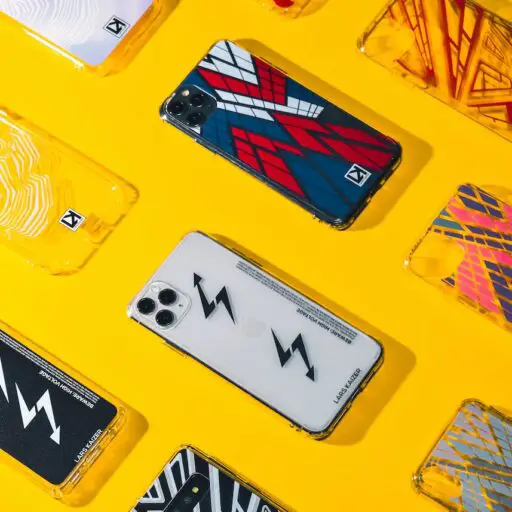
If you want your phone case to be more than just protection, polycarbonate is your playground.
Why PC Cases Are Style Champs
- Smooth, glossy finish perfect for vibrant prints.
- Can be mate, glossy, or textured.
- Supports high-resolution photo printing and intricate patterns.
- Compatible with decals, stickers, and skins.
- Brands like OterBox Symetry Series and Spigen Ultra Hybrid use PC for their stylish, slim designs.
Personal Story: Our Editor’s PC Case Glow-Up
One of our editors swapped a plain black TPU case for a polycarbonate case with a custom floral print. Not only did it turn heads, but the case stayed pristine after months of use — no fading or scratches!
For more style inspiration, explore our Fashion Cases and Designer Cases collections.
💧 Water Resistance and Weatherproofing: Can Polycarbonate Handle It?
Polycarbonate is naturally water-resistant but not waterproof. Here’s what you need to know:
- PC cases won’t absorb water or swell.
- They protect your phone from light rain and splashes.
- However, water can seep in through ports and openings if the case isn’t sealed.
- For full waterproof protection, look for cases with additional seals and gaskets (e.g., LifeProof FRĒ series).
- PC cases are generally resistant to temperature extremes, but avoid prolonged exposure to direct sunlight to prevent yellowing.
🔧 How to Properly Clean and Maintain Your Polycarbonate Phone Case
Keeping your PC case looking fresh is easier than you think.
Step-by-Step Cleaning Guide
- Remove the case from your phone.
- Rinse with warm water to remove loose dirt.
- Mix a few drops of mild dish soap in warm water.
- Use a soft cloth or sponge dipped in soapy water to gently scrub the case.
- For stubborn stains, use a soft-bristled toothbrush.
- Rinse thoroughly with clean water.
- Dry with a microfiber cloth to avoid scratches.
- Let air dry completely before putting it back on your phone.
Maintenance Tips
- Avoid harsh chemicals like acetone or alcohol, which can degrade PC.
- Store your case away from direct sunlight to prevent discoloration.
- If your case yellows, try a baking soda paste or specialized plastic cleaner.
📱 Top 10 Polycarbonate Phone Cases in 2024: Reviews and Ratings
We’ve rounded up the best polycarbonate cases that balance protection, style, and functionality. Each case was rated on a 1-10 scale for design, durability, grip, wireless charging compatibility, and value.
| Rank | Case Name | Design | Durability | Grip | Wireless Charging | Value | Overall |
|---|---|---|---|---|---|---|---|
| 1 | OterBox Symetry Series | 9 | 10 | 7 | 10 | 8 | 8.8 |
| 2 | Spigen Ultra Hybrid | 8 | 9 | 8 | 10 | 9 | 8.8 |
| 3 | NOBL Travel Polycarbonate | 8 | 8 | 7 | 10 | 8 | 8.2 |
| 4 | Caseology Parallax | 9 | 8 | 8 | 10 | 7 | 8.4 |
| 5 | Speck Presidio Clear | 7 | 9 | 8 | 10 | 7 | 8.2 |
| 6 | UAG Plyo | 7 | 10 | 6 | 9 | 7 | 7.8 |
| 7 | ESR Air Armor | 8 | 7 | 7 | 10 | 8 | 8.0 |
| 8 | SUPCASE Unicorn Beetle Pro | 6 | 10 | 6 | 9 | 7 | 7.6 |
| 9 | Ringke Fusion X | 7 | 8 | 7 | 10 | 7 | 7.8 |
| 10 | Tech21 Evo Check | 8 | 9 | 8 | 10 | 6 | 7.8 |
Detailed Review Highlights
1. OterBox Symetry Series
Design: Slek, slim, and available in many colors and patterns.
Durability: Military-grade drop protection with a rigid PC shell.
Grip: Moderate; smooth finish but not slippery.
Wireless Charging: Works flawlessly.
Value: Premium price, but worth it for protection and style.
2. Spigen Ultra Hybrid
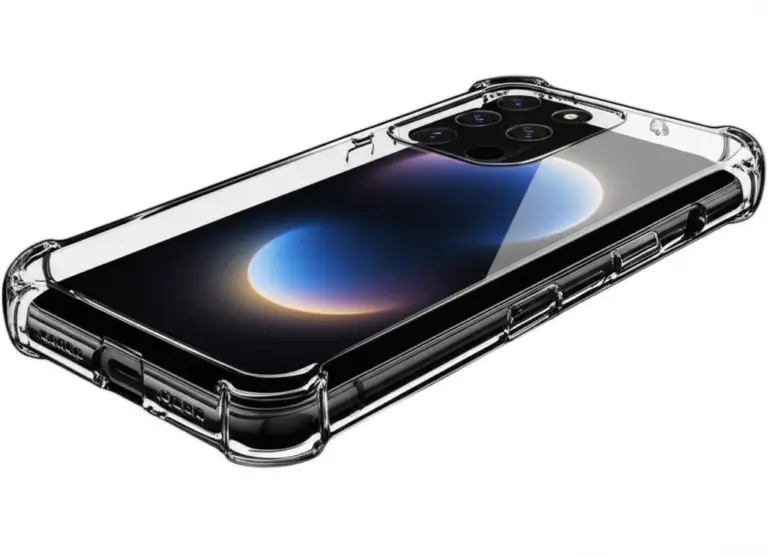
Design: Clear PC back with TPU bumper for grip.
Durability: Great drop protection with hybrid design.
Grip: Good, thanks to TPU edges.
Wireless Charging: No issues.
Value: Excellent balance of price and features.
3. NOBL Travel Polycarbonate
Design: Slim, minimalist, designed for iPhone 15/16 series.
Durability: Solid PC shell with raised edges for screen/camera.
Grip: Moderate, smooth finish.
Wireless Charging: Fully compatible.
Value: Great for users wanting a slim profile without sacrificing protection.
💡 Polycarbonate vs TPU vs Silicone: Which Phone Case Material Wins?
This classic showdown pits rigid polycarbonate against flexible TPU and soft silicone. Here’s how they stack up:
| Aspect | Polycarbonate | TPU | Silicone |
|---|---|---|---|
| Flexibility | ❌ Rigid | ✅ Flexible | ✅ Very flexible |
| Impact Absorption | ✅ Distributes impact force | ✅ Absorbs shock well | ✅ Absorbs shock moderately |
| Grip | ❌ Moderate | ✅ Good | ✅ Excellent |
| Bulk | ✅ Slim | ✅ Slim to moderate | ❌ Can be bulky |
| Durability | ✅ High resistance to scratches | ❌ Can yellow or degrade | ❌ Prone to tears and stains |
| Style Options | ✅ High | ✅ Moderate | ✅ Moderate |
| Ease of Cleaning | ✅ Easy | ✅ Easy | ✅ Easy |
| Wireless Charging | ✅ Compatible | ✅ Compatible | ✅ Compatible |
Verdict from Case Brands™
- Polycarbonate is your go-to for slim, strong, and stylish protection.
- TPU offers a nice balance of flexibility and grip.
- Silicone shines if you want maximum grip and softness but sacrifices durability.
🛠️ DIY Repairs and Custom Mods for Polycarbonate Phone Cases
Feeling crafty? Polycarbonate cases are surprisingly mod-friendly.
Common DIY Fixes
- Scratch removal: Use a plastic polish or fine automotive rubbing compound.
- Crack repair: Small cracks can be sealed with clear epoxy resin.
- Button fixes: Replace worn or sticky buttons with silicone pads or lubricate.
Customization Ideas
- Paint with acrylic paints designed for plastics.
- Apply vinyl decals or hydro-dipping for unique patterns.
- Add bumper guards or attach ring holders for extra grip.
Remember, modifying your case may void warranties, so proceed with caution!
🌿 Eco-Friendly Polycarbonate Cases: Are They a Thing?
Polycarbonate is traditionally petroleum-based, but the green revolution is stirring change.
Emerging Trends
- Some brands are exploring bio-based polycarbonate made from plant materials.
- Recycled polycarbonate cases are appearing, reducing plastic waste.
- Hybrid cases combining PC with recycled TPU or biodegradable materials are gaining traction.
Brands to Watch
- Pela Case focuses on compostable materials but currently uses mostly TPU.
- Nimble offers cases with recycled plastics and carbon-neutral shipping.
For more eco-conscious options, visit our Eco-Friendly Cases section.
📦 Packaging and Unboxing: What to Expect from Polycarbonate Case Brands
Packaging can be a window into brand values and quality.
What We’ve Seen
- OterBox uses sturdy recyclable boxes with clear product info.
- Spigen opts for minimalist packaging with a plastic window.
- NOBL Travel impresses with sleek, compact boxes emphasizing sustainability.
- Many brands now use biodegradable or recycled materials for packaging.
Unboxing a polycarbonate case often feels like opening a premium gadget accessory — crisp, clean, and ready to protect your phone.
💬 Real User Stories: What People Love (and Hate) About Polycarbonate Cases
Here’s what actual users say after months of daily use:
What They Love
- “Slim and light but tough!” — Users appreciate the balance of protection without bulk.
- “Looks brand new after months.” — Scratch resistance keeps cases fresh.
- “Works perfectly with wireless charging.” — No need to remove the case.
- “Custom designs make my phone stand out.”
What They Don’t Love
- “Can be slippery in hand.” — Some find PC cases lack grip.
- “Yellowing after long sun exposure.” — A few report discoloration on cheaper models.
- “Hard to snap on/off compared to silicone.” — The rigid shell can be less forgiving.
Our Take
Choosing a polycarbonate case means accepting a bit less grip for a lot more protection and style. If grip is a priority, look for hybrid designs or add a textured skin.
🔗 Recommended Links for Buying and Learning More About Polycarbonate Cases
Ready to shop or learn more? Here are some trusted sources and brands:
- OterBox Symetry Series: Amazon | OterBox Official Website
- Spigen Ultra Hybrid: Amazon | Spigen Official Website
- NOBL Travel Polycarbonate: Amazon | NOBL Official Website
- Caseology Parallax: Amazon | Caseology Official Website
- Speck Presidio Clear: Amazon | Speck Official Website
For deeper dives into phone case materials, check out this excellent guide from Case-Mate: What Material Is Best for a Phone Case?
❓ Frequently Asked Questions About Polycarbonate Phone Cases
Are polycarbonate phone cases compatible with wireless charging?
Yes! Most polycarbonate cases are thin enough and non-metalic, allowing Qi wireless charging to work seamlessly without removing the case.
How do polycarbonate phone cases compare in price to other materials?
Polycarbonate cases generally fall in the mid-price range — more expensive than basic silicone but often less than premium leather or designer cases.
Do polycarbonate phone cases offer good grip to prevent slips?
Polycarbonate alone tends to be less grippy than silicone or TPU. However, many PC cases feature textured finishes or hybrid designs to improve grip.
Are polycarbonate phone cases lightweight and easy to carry?
Absolutely! Polycarbonate is lightweight and adds minimal bulk, making it comfortable to carry in pockets or bags.
Can polycarbonate phone cases protect phones from scratches?
Yes, polycarbonate’s scratch-resistant surface helps prevent everyday scuffs and keeps your phone looking fresh.
How durable are polycarbonate phone cases against drops?
Polycarbonate is highly impact-resistant and can absorb and disperse shock effectively, especially when combined with TPU bumpers.
Are polycarbonate phone cases better than silicone cases?
It depends on your priorities: PC cases offer better rigidity and scratch resistance, while silicone provides superior grip and flexibility.
Are polycarbonate phone cases durable enough for everyday protection?
Definitely. They hold up well against daily wear and tear, maintaining shape and protection over time.
Do polycarbonate phone cases turn yellow over time?
Some lower-quality PC cases may yellow with prolonged UV exposure, but premium brands include UV inhibitors to prevent this.
Can polycarbonate phone cases protect phones from overheating?
Polycarbonate is a good thermal insulator but doesn’t trap heat excessively. Proper case design with ventilation helps prevent overheating.
How do you clean and maintain a polycarbonate phone case?
Use mild soap and warm water, avoid harsh chemicals, and dry with a microfiber cloth. Regular cleaning keeps your case looking new.
📚 Reference Links and Further Reading on Polycarbonate Materials
- American Chemical Society: Polycarbonate Chemistry
- OterBox Official Website
- Spigen Official Website
- NOBL Travel Official Website
- Case-Mate Blog: What Material Is Best for a Phone Case?
Don’t miss the first YouTube video embedded above, where they compare rubberized hard cover, silicone, and TPU cases. The rubberized hard cover (similar to polycarbonate) offers a soft touch but lacks flexibility, highlighting why many users prefer hybrid designs for the best of both worlds.