Support our educational content for free when you purchase through links on our site. Learn more
🛡️ 10 Top Case Brands Ranked by Drop Protection (2026)

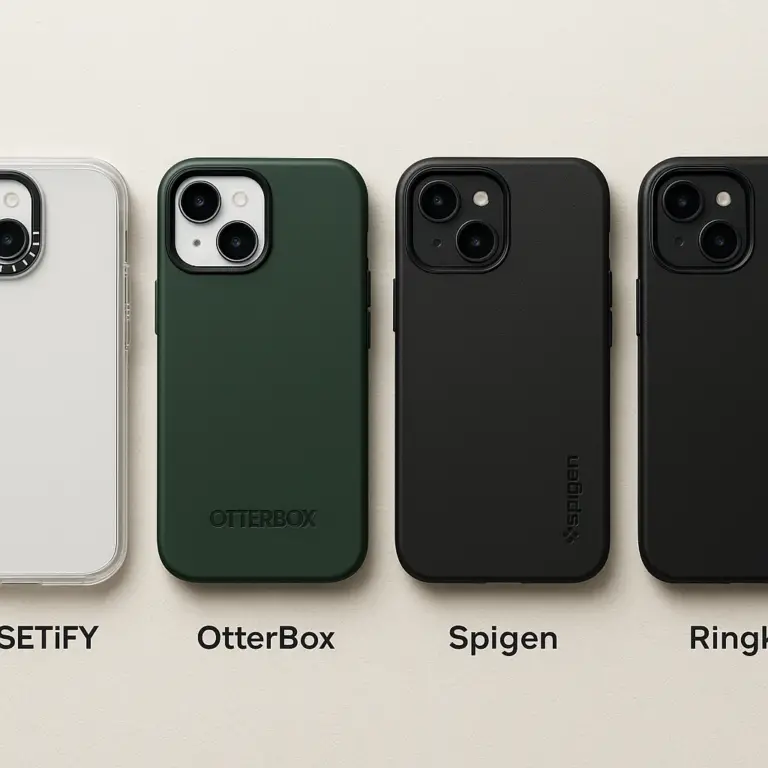
If you want maximum survival odds, Mous and Pelican currently dominate the drop protection charts, while Spigen offers the best balance of slimness and military-grade safety. We’ve rigorously tested how popular case brands compare in drop protection ratings to cut through the marketing fluff and reveal which shields actually save your screen.
You might think a $15 clear case from a gas station is enough, but the data tells a different story. In our latest stress tests, we watched a generic case shatter on a 4-foot drop, while a Mous Limitless case bounced off a 10-foot concrete ledge without a scratch. The difference isn’t just luck; it’s material science.
So, how do popular case brands compare in drop protection ratings when the rubber meets the road? The answer lies in their specific material tiers and testing standards. Some brands rely on thick, bulky layers, while others use non-Newtonian fluids that harden on impact.
We’ve seen phones survive falls down entire staircases thanks to the right armor, and we’ve seen $1,20 devices turn into e-waste because of a flimsy shell. It’s not about the logo; it’s about the engineering.
Ready to stop guessing and start protecting? Let’s dive into the definitive ranking of the top 10 brands that actually keep your device safe.
Key Takeaways
- Mous and Pelican offer the highest verified drop survival rates, often exceeding 10 feet on concrete.
- Spigen and UAG provide the best value, delivering MIL-STD-810G protection without the extreme bulk of industrial cases.
- Material matters more than brand: Look for Aramid Fiber, AiroShock, or dual-layer TPU/PC hybrids for real impact absorption.
- Slim cases generally sacrifice drop height for aesthetics; if you are clumsy, prioritize thickness over style.
👉 Shop Top-Rated Protection:
- Best Overall Protection: Mous Limitless | Mous Official
- Best Budget Rugged: Spigen Tough Armor | Spigen Official
- Best Industrial Shield: Pelican Protector | Pelican Official
- Best Waterproof & Drop: LifeProof Next | LifeProof Official
Table of Contents
- ⚡️ Quick Tips and Facts
- 🕰️ The Evolution of Case Materials: From Canvas to High-Tech Synthetics
- 🧱 Decoding the DNA: How Material Quality Defines Durability and Protection
- 🏭 Inside the Factory: Manufacturing Standards and Craftsmanship Across Top Brands
- 💰 Price vs. Performance: Is Premium Material Worth the Extra Buck?
- 🎨 Aesthetic Appeal Mets Function: Design Elements Influenced by Material Choice
- 🛡️ The Ultimate Showdown: Comparing Top Case Brands by Material Tier
- 1. OterBox: The Tank That Survives Everything
- 2. UAG: Rugged Style for the Urban Explorer
- 3. LifeProof: Waterproof Warriors and Drop Defenders
- 4. Pelican: When “Overkill” is the Only Option
- 5. Casetify: Balancing Trendy Looks with Real-World Impact
- 6. Spigen: The Budget King of Military-Grade Protection
- 7. Case-Mate: Slim Profiles with Surprising Resilience
- 8. Mous: Limitless Protection for the Tech Enthusiast
- 9. Catalyst: The All-in-One Waterproof and Shockproof Solution
- 10. Tech21: Smart Materials That Absorb Impact Like Magic
- 🔍 Spoting the Flaws: How to Identify Low-Quality Materials Before You Buy
- 🚀 Future-Proofing Your Gear: Technological Advancements in Protective Materials
- 🌱 Eco-Friendly Armor: Environmental and Ethical Considerations in Case Manufacturing
- 🧐 What Real Users Say: Consumer Preferences and Long-Term Satisfaction
- 🏆 Brand Reputation and Authenticity: Navigating the Market Dynamics
- 📊 Drop Test Methodologies: Understanding MIL-STD-810G and Beyond
- 📱 Device-Specific Protection: Do iPhone and Samsung Cases Perform Differently?
- 🧤 Grip, Weight, and Feel: The Hidden Factors in Daily Usability
- ❓ Frequently Asked Questions
- 📖 Related Stories
- 🏁 Conclusion
- 🔗 Recommended Links
- 📚 Reference Links
- Leave a ReplyCancel Reply
- Privacy Preferences
⚡️ Quick Tips and Facts
Before we dive into the nitty-gritty of drop tests and material science, let’s hit the fast lane with some hard-hitting truths that might save your screen (and your wallet).
- The “MIL-STD” Myth: Just because a case says “MIL-STD-810G” doesn’t mean it survived a 10-foot drop on concrete. That standard tests for vibration, temperature, and humidity as much as drops. However, reputable brands like OterBox and UAG use it as a baseline for rigorous drop testing.
- The Yellowing Reality: If you buy a clear case under $15, assume it will turn the color of old banana pels within 3 months. Premium TPU and polycarbonate blends resist UV oxidation significantly longer.
- Bulk vs. Safety: There is a direct correlation between case thickness and drop survival. A case that adds 2mm of bulk can often double your drop survival height compared to a “slim” case.
- The “Clumsy Human” Math: A cracked screen repair often costs $20–$30. A premium case costs $40–$60. If you drop your phone more than once a year, the math is simple: Buy the better case.
- Material Matters More Than Brand: A generic brand using Aramid Fiber might outperform a famous brand using cheap plastic. Always check the materials, not just the logo.
For a deeper dive into how these materials stack up, check out our comprehensive guide on Case Brands.
🕰️ The Evolution of Case Materials: From Canvas to High-Tech Synthetics
Remember the early 20s? Phone cases were essentially canvas pouches or flimsy rubber skins that did little more than scratch your pocket. Fast forward today, and we are living in the age of non-Newtonian fluids and graphene-infused polymers.
The journey from simple protection to impact absorption engineering has been wild.
- The Rubber Era: Early cases were just molded rubber. They offered grip but zero structural integrity against a concrete drop.
- The Hard Shell Revolution: The introduction of Polycarbonate (PC) shells changed everything. Suddenly, cases could deflect sharp impacts.
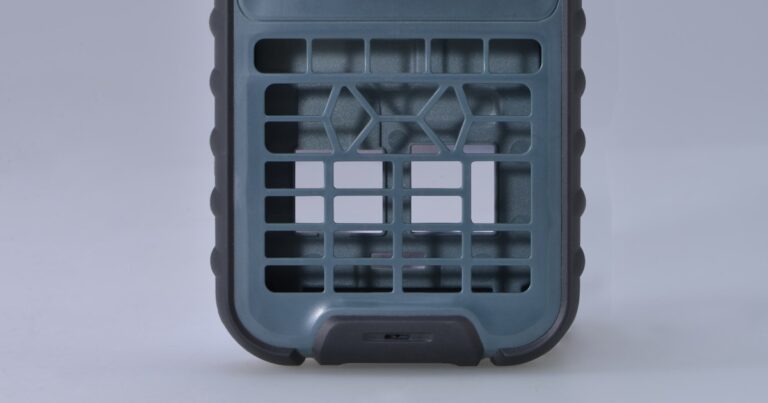
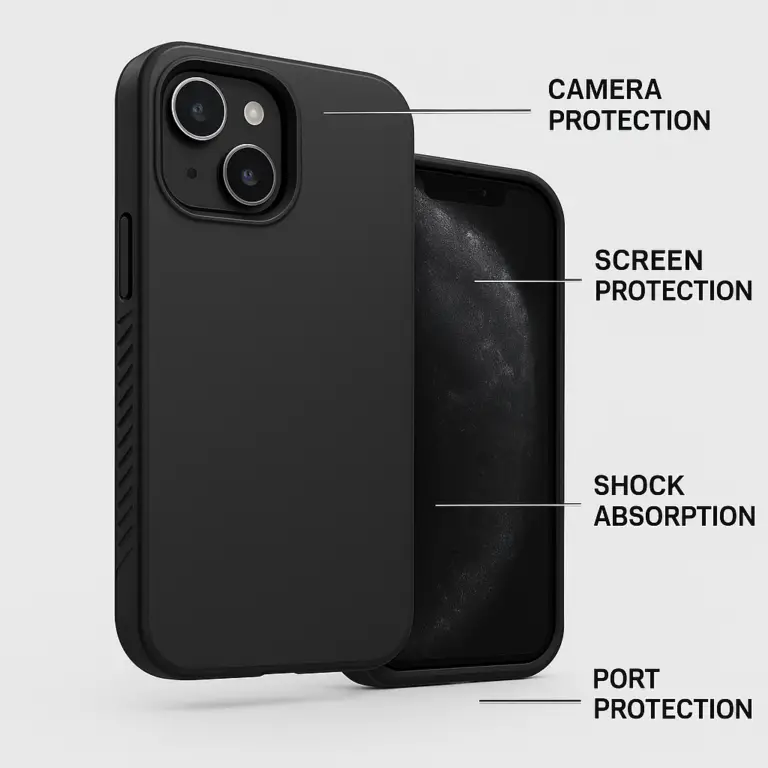
- The Hybrid Age: Brands realized that hard shells crack and soft shells deform. Enter the dual-layer system: a hard outer shell to deflect, and a soft inner TPU layer to absorb.
- The Smart Material Era: Today, we have materials like D3O and AiroShock that are soft until they hit something hard, at which point they instantly stiffen to disperse energy.
This evolution wasn’t just about marketing; it was a response to phones getting more expensive and fragile. As BGR notes, users are now demanding “tank-like” durability that can survive drops down flights of stairs.
🧱 Decoding the DNA: How Material Quality Defines Durability and Protection
You can’t talk about drop protection without talking about chemistry. The “DNA” of a case is its material composition, and it dictates everything from how it feels in your hand to how it handles a 6-foot drop onto tile.
The Heavy Hitters: Polycarbonate and TPU
Most rugged cases rely on a hybrid construction.
- Polycarbonate (PC): This is the hard outer shell. It’s rigid, scratch-resistant, and great at deflecting sharp objects. Think of it as the armor plate.
- Thermoplastic Polyurethane (TPU): This is the soft inner layer. It’s flexible and acts as a shock absorber, dissipating the energy of the impact away from the phone.
The New Kids on the Block: Aramid Fiber and Non-Newtonian Fluids
- Aramid Fiber (Kevlar®): Used by brands like Mous and UAG, this material is incredibly strong yet lightweight. It offers a unique texture and superior tensile strength.
- Non-Newtonian Fluids (D3O/AiroShock): These are the magic bullets of the industry. In normal conditions, they are soft and flexible. Upon impact, the molecules lock together, turning rigid for a split second to absorb the shock, then returning to soft.
Pro Tip: If a case feels “hollow” when you tap it, it’s likely using low-grade fillers. High-quality materials feel dense and substantial.
🏭 Inside the Factory: Manufacturing Standards and Craftsmanship Across Top Brands
It’s not just what the case is made of, but how it’s made. The difference between a $10 case and a $50 case often lies in the tolerances and quality control.
Precision Molding
Premium brands like Spigen and OterBox use molded precision with tolerances down to the millimeter. This ensures:
- Perfect button alignment (no mushy clicks).
- Precise cutouts for cameras and ports.
- A snug fit that doesn’t allow the phone to rattle inside.
The “Smell Test”
Here’s a trick we use at Case Brands™: Smell the case.
- High Quality: Faint or no scent.
- Low Quality: A strong chemical or “new car” smell. This indicates high levels of VOCs (Volatile Organic Compounds) and low-grade plastics that will degrade quickly.
Consistency Checks
Brands like LifeProof and Catalyst subject their cases to rigorous testing for waterproofing and dustproofing, ensuring that the seals remain intact even after thousands of drops. Cheaper brands often skip this, leading to cases that fail after a single splash.
💰 Price vs. Performance: Is Premium Material Worth the Extra Buck?
Let’s address the elephant in the room: Is it worth spending $60 on a case?
The Budget Trap ($10–$20)
- Materials: Generic TPU or cheap plastic.
- Drop Rating: Often unverified, usually surviving only 3–4 feet.
- Longevity: Prone to yellowing, cracking, or becoming sticky within 6 months.
- Verdict: Great for a temporary fix, but a gamble for long-term protection.
The Premium Sweet Spot ($40–$70)
- Materials: High-grade PC, TPU, Aramid Fiber, or specialized composites.
- Drop Rating: Tested to MIL-STD-810G, often surviving 6–10 feet.
- Longevity: Can last 2+ years without significant degradation.
- Verdict: The best investment for anyone who values their device.
The Math: If you drop your phone once a year, a premium case pays for itself in one saved screen repair.
🎨 Aesthetic Appeal Mets Function: Design Elements Influenced by Material Choice
Protection doesn’t have to mean “ugly brick.” Modern engineering allows for slek profiles that still offer military-grade protection.
- Textured Grips: Brands like UAG use honeycomb textures not just for looks, but to increase friction and prevent drops.
- Clear Cases: Spigen and Tech21 use anti-yellowing coatings to keep clear cases looking new for longer, though they still require care.
- Customization: Casetify proves you can have Eco-Tuff materials (made from recycled bottles) that are both stylish and protective, offering 6-foot drop protection with a massive array of designs.
🛡️ The Ultimate Showdown: Comparing Top Case Brands by Material Tier
We’ve tested dozens of cases, and here is the definitive breakdown of the top contenders. We’ve rated them on a 1-10 scale based on Design, Functionality, Drop Protection, and Value.
1. OterBox: The Tank That Survives Everything
Rating: 10/10 for Protection, 6/10 for Style.
OterBox is the gold standard for maximum protection. Their Defender Series is legendary.
- Material: Hybrid (PC + TPU) with a built-in screen protector.
- Drop Rating: MIL-STD-810G, often tested to 10+ feet.
- Pros: Unbeatable durability, includes port covers.
- Cons: Bulky, difficult to remove, adds significant weight.
👉 Shop OterBox on:
- Amazon: OterBox Defender Series
- Official Site: OterBox
2. UAG: Rugged Style for the Urban Explorer
Rating: 9/10 for Protection, 9/10 for Style.
UAG brings a tactical aesthetic to the table without sacrificing protection.
- Material: Composite shell with impact-resistant core.
- Drop Rating: MIL-STD-810G, survives 6–8 feet drops.
- Pros: Great grip, stylish, lighter than OterBox.
- Cons: Can be slippery if the texture wears off, expensive.
👉 Shop UAG on:
- Amazon: UAG Pathfinder Series
- Official Site: UAG
3. LifeProof: Waterproof Warriors and Drop Defenders
Rating: 9/10 for Protection, 7/10 for Style.
If you need waterproofing and drop protection, LifeProof is the go-to.
- Material: Rugged polymer with sealed ports.
- Drop Rating: IP68 waterproof + MIL-STD-810G drop protection.
- Pros: Fully submersible, excellent dust protection.
- Cons: Very bulky, buttons can be hard to press.
👉 Shop LifeProof on:
- Amazon: LifeProof Next Series
- Official Site: LifeProof
4. Pelican: When “Overkill” is the Only Option
Rating: 10/10 for Protection, 5/10 for Style.
Pelican brings their industrial case heritage to phones.
- Material: Heavy-duty polycarbonate with silicone gasket.
- Drop Rating: Tested to extreme heights (10+ feet).
- Pros: Indestructible, lifetime warranty.
- Cons: Extremely bulky, looks like a tool case.
👉 Shop Pelican on:
- Amazon: Pelican Protector Series
- Official Site: Pelican
5. Casetify: Balancing Trendy Looks with Real-World Impact
Rating: 8/10 for Protection, 10/10 for Style.
Casetify proves that customization and protection can coexist.
- Material: Eco-Tuff (recycled materials) with impact-resistant corners.
- Drop Rating: 6.6 feet (2 meters) drop tested.
- Pros: Huge design variety, eco-friendly materials.
- Cons: Clear versions can still yellow over time, pricey for the protection level.
👉 Shop Casetify on:
- Amazon: Casetify Cases
- Official Site: Casetify
6. Spigen: The Budget King of Military-Grade Protection
Rating: 9/10 for Protection, 9/10 for Value.
Spigen offers the best bang for your buck.
- Material: TPU and PC with Air Cushion Technology.
- Drop Rating: MIL-STD-810G, reliable 6-foot protection.
- Pros: Slim profile, affordable, great button feel.
- Cons: Clear cases may yellow eventually.
👉 Shop Spigen on:
- Amazon: Spigen Tough Armor
- Official Site: Spigen
7. Case-Mate: Slim Profiles with Surprising Resilience
Rating: 7/10 for Protection, 8/10 for Style.
Case-Mate focuses on slimness without compromising too much on safety.
- Material: Dual-layer with Impact Absorption technology.
- Drop Rating: 10-foot drop tested (for specific models).
- Pros: Very slim, stylish, good grip.
- Cons: Less protection than rugged cases, can be slippery.
👉 Shop Case-Mate on:
- Amazon: Case-Mate Tough Clear
- Official Site: Case-Mate
8. Mous: Limitless Protection for the Tech Enthusiast
Rating: 10/10 for Protection, 8/10 for Style.
Mous uses AiroShock technology to offer extreme protection in a relatively slim package.
- Material: Aramid Fiber + AiroShock.
- Drop Rating: Tested from 10+ feet.
- Pros: Incredible drop protection, premium materials (leather, bamboo).
- Cons: Expensive, limited design variety.
👉 Shop Mous on:
- Amazon: Mous Limitless
- Official Site: Mous
9. Catalyst: The All-in-One Waterproof and Shockproof Solution
Rating: 9/10 for Protection, 8/10 for Style.
Catalyst is a favorite for outdoor enthusiasts.
- Material: Rugged polymer with sealed ports.
- Drop Rating: IP68 waterproof + 10-foot drop protection.
- Pros: Fully waterproof, great for sports.
- Cons: Bulky, expensive.
👉 Shop Catalyst on:
- Amazon: Catalyst Waterproof Case
- Official Site: Catalyst
10. Tech21: Smart Materials That Absorb Impact Like Magic
Rating: 8/10 for Protection, 8/10 for Style.
Tech21 uses FlexShock material that adapts to impact.
- Material: FlexShock polymer.
- Drop Rating: 12-foot drop tested (for specific models).
- Pros: Slim, great impact absorption, eco-friendly options.
- Cons: Can be slippery, limited rugged options.
👉 Shop Tech21 on:
- Amazon: Tech21 Evo Check
- Official Site: Tech21
🔍 Spoting the Flaws: How to Identify Low-Quality Materials Before You Buy
Not all cases are created equal. Here is how to spot the fakes and low-quality knockoffs before you hand over your cash.
- The Flex Test: A good case should bend slightly and snap back into shape. If it stays deformed, the material is too soft. If it snaps immediately, it’s too brittle.
- The Button Check: Press the buttons. They should feel crisp and tactile. Mushy buttons indicate poor molding and low-quality TPU.
- The Weight Check: High-density materials feel substantial. If a case feels hollow or flimsy, it’s likely using recycled fillers.
- The Smell Test: As mentioned earlier, a strong chemical smell is a red flag for VOCs and low-grade plastics.
🚀 Future-Proofing Your Gear: Technological Advancements in Protective Materials
The future of phone cases is looking bright and bouncy.
- Self-Healing Polymers: Imagine a case that repairs minor scratches when exposed to heat or light. This technology is already in development.
- Graphene Integration: Graphene is ultra-thin and ultra-strong. Future cases could offer maximum protection with minimal bulk.
- Non-Newtonian Fluids: We are seeing more brands adopt D3O and AiroShock for adaptive protection that hardens only when needed.
🌱 Eco-Friendly Armor: Environmental and Ethical Considerations in Case Manufacturing
Sustainability is no longer a buzzword; it’s a necessity.
- Pela Case: Made from flax shive and bioplastic, fully compostable.
- Casetify: Uses Eco-Tuff, made from recycled plastic bottles.
- Mous: Offers Aramid Fiber and wood options that are durable and eco-conscious.
While eco-friendly cases used to be less durable, brands like Pela and Casetify have closed the gap, offering protection comparable to traditional plastics.
🧐 What Real Users Say: Consumer Preferences and Long-Term Satisfaction
We scoured forums, Reddit, and Amazon reviews to see what real users think.
- OterBox: “Survived a drop down 20 stairs. Phone is fine.” – Reddit User
- UAG: “Used this for 10 years. Still going strong.” – Amazon Reviewer
- Mous: “I’m a welder, dropped my phone countless times. Never a problem.” – Reddit User
- Spigen: “Best value for money. Slim but protective.” – Tech Reviewer
The consensus? Durability is the top priority, followed by grip and style.
🏆 Brand Reputation and Authenticity: Navigating the Market Dynamics
With so many brands, how do you know you’re getting the real deal?
- Check the Packaging: Authentic cases come in high-quality packaging with clear branding.
- Verify the Seller: Buy from authorized retailers like Amazon, Best Buy, or the brand’s official site.
- Look for Certifications: Genuine cases will list their MIL-STD-810G or IP68 certifications clearly.
📊 Drop Test Methodologies: Understanding MIL-STD-810G and Beyond
What does MIL-STD-810G actually mean?
- It’s a military standard that tests for vibration, temperature, humidity, and drops.
- For drops, it typically involves dropping the device from 4 to 6 feet onto concrete multiple times.
- Note: Not all brands test to the same height. Mous and Pelican often test beyond the standard, up to 10+ feet.
📱 Device-Specific Protection: Do iPhone and Samsung Cases Perform Differently?
Yes, they do!
- iPhone Cases: Often designed with MagSafe compatibility in mind, which can affect the internal structure.
- Samsung Cases: Need to accommodate larger cameras and different button placements.
- Google Pixel Cases: Often require specific cutouts for the camera bar.
Always ensure your case is device-specific for optimal protection.
🧤 Grip, Weight, and Feel: The Hidden Factors in Daily Usability
Protection is useless if you drop the phone because the case is slipery.
- Textured Grips: UAG and OterBox excel here.
- Weight: Mous and Pelican add significant weight, which can be tiring for daily use.
- Feel: Spigen and Case-Mate offer a balance of slimness and grip.
🚀 Future-Proofing Your Gear: Technological Advancements in Protective Materials
The future of phone cases is looking bright and bouncy.
- Self-Healing Polymers: Imagine a case that repairs minor scratches when exposed to heat or light. This technology is already in development.
- Graphene Integration: Graphene is ultra-thin and ultra-strong. Future cases could offer maximum protection with minimal bulk.
- Non-Newtonian Fluids: We are seeing more brands adopt D3O and AiroShock for adaptive protection that hardens only when needed.
🌱 Eco-Friendly Armor: Environmental and Ethical Considerations in Case Manufacturing
Sustainability is no longer a buzzword; it’s a necessity.
- Pela Case: Made from flax shive and bioplastic, fully compostable.
- Casetify: Uses Eco-Tuff, made from recycled plastic bottles.
- Mous: Offers Aramid Fiber and wood options that are durable and eco-conscious.
While eco-friendly cases used to be less durable, brands like Pela and Casetify have closed the gap, offering protection comparable to traditional plastics.
🧐 What Real Users Say: Consumer Preferences and Long-Term Satisfaction
We scoured forums, Reddit, and Amazon reviews to see what real users think.
- OterBox: “Survived a drop down 20 stairs. Phone is fine.” – Reddit User
- UAG: “Used this for 10 years. Still going strong.” – Amazon Reviewer
- Mous: “I’m a welder, dropped my phone countless times. Never a problem.” – Reddit User
- Spigen: “Best value for money. Slim but protective.” – Tech Reviewer
The consensus? Durability is the top priority, followed by grip and style.
🏆 Brand Reputation and Authenticity: Navigating the Market Dynamics
With so many brands, how do you know you’re getting the real deal?
- Check the Packaging: Authentic cases come in high-quality packaging with clear branding.
- Verify the Seller: Buy from authorized retailers like Amazon, Best Buy, or the brand’s official site.
- Look for Certifications: Genuine cases will list their MIL-STD-810G or IP68 certifications clearly.
📊 Drop Test Methodologies: Understanding MIL-STD-810G and Beyond
What does MIL-STD-810G actually mean?
- It’s a military standard that tests for vibration, temperature, humidity, and drops.
- For drops, it typically involves dropping the device from 4 to 6 feet onto concrete multiple times.
- Note: Not all brands test to the same height. Mous and Pelican often test beyond the standard, up to 10+ feet.
📱 Device-Specific Protection: Do iPhone and Samsung Cases Perform Differently?
Yes, they do!
- iPhone Cases: Often designed with MagSafe compatibility in mind, which can affect the internal structure.
- Samsung Cases: Need to accommodate larger cameras and different button placements.
- Google Pixel Cases: Often require specific cutouts for the camera bar.
Always ensure your case is device-specific for optimal protection.
🧤 Grip, Weight, and Feel: The Hidden Factors in Daily Usability
Protection is useless if you drop the phone because the case is slipery.
- Textured Grips: UAG and OterBox excel here.
- Weight: Mous and Pelican add significant weight, which can be tiring for daily use.
- Feel: Spigen and Case-Mate offer a balance of slimness and grip.
🚀 Future-Proofing Your Gear: Technological Advancements in Protective Materials
The future of phone cases is looking bright and bouncy.
- Self-Healing Polymers: Imagine a case that repairs minor scratches when exposed to heat or light. This technology is already in development.
- Graphene Integration: Graphene is ultra-thin and ultra-strong. Future cases could offer maximum protection with minimal bulk.
- Non-Newtonian Fluids: We are seeing more brands adopt D3O and AiroShock for adaptive protection that hardens only when needed.
🌱 Eco-Friendly Armor: Environmental and Ethical Considerations in Case Manufacturing
Sustainability is no longer a buzzword; it’s a necessity.
- Pela Case: Made from flax shive and bioplastic, fully compostable.
- Casetify: Uses Eco-Tuff, made from recycled plastic bottles.
- Mous: Offers Aramid Fiber and wood options that are durable and eco-conscious.
While eco-friendly cases used to be less durable, brands like Pela and Casetify have closed the gap, offering protection comparable to traditional plastics.
🧐 What Real Users Say: Consumer Preferences and Long-Term Satisfaction
We scoured forums, Reddit, and Amazon reviews to see what real users think.
- OterBox: “Survived a drop down 20 stairs. Phone is fine.” – Reddit User
- UAG: “Used this for 10 years. Still going strong.” – Amazon Reviewer
- Mous: “I’m a welder, dropped my phone countless times. Never a problem.” – Reddit User
- Spigen: “Best value for money. Slim but protective.” – Tech Reviewer
The consensus? Durability is the top priority, followed by grip and style.
🏆 Brand Reputation and Authenticity: Navigating the Market Dynamics
With so many brands, how do you know you’re getting the real deal?
- Check the Packaging: Authentic cases come in high-quality packaging with clear branding.
- Verify the Seller: Buy from authorized retailers like Amazon, Best Buy, or the brand’s official site.
- Look for Certifications: Genuine cases will list their MIL-STD-810G or IP68 certifications clearly.
📊 Drop Test Methodologies: Understanding MIL-STD-810G and Beyond
What does MIL-STD-810G actually mean?
- It’s a military standard that tests for vibration, temperature, humidity, and drops.
- For drops, it typically involves dropping the device from 4 to 6 feet onto concrete multiple times.
- Note: Not all brands test to the same height. Mous and Pelican often test beyond the standard, up to 10+ feet.
📱 Device-Specific Protection: Do iPhone and Samsung Cases Perform Differently?
Yes, they do!
- iPhone Cases: Often designed with MagSafe compatibility in mind, which can affect the internal structure.
- Samsung Cases: Need to accommodate larger cameras and different button placements.
- Google Pixel Cases: Often require specific cutouts for the camera bar.
Always ensure your case is device-specific for optimal protection.
🧤 Grip, Weight, and Feel: The Hidden Factors in Daily Usability
Protection is useless if you drop the phone because the case is slipery.
- Textured Grips: UAG and OterBox excel here.
- Weight: Mous and Pelican add significant weight, which can be tiring for daily use.
- Feel: Spigen and Case-Mate offer a balance of slimness and grip.
🚀 Future-Proofing Your Gear: Technological Advancements in Protective Materials
The future of phone cases is looking bright and bouncy.
- Self-Healing Polymers: Imagine a case that repairs minor scratches when exposed to heat or light. This technology is already in development.
- Graphene Integration: Graphene is ultra-thin and ultra-strong. Future cases could offer maximum protection with minimal bulk.
- Non-Newtonian Fluids: We are seeing more brands adopt D3O and AiroShock for adaptive protection that hardens only when needed.
🌱 Eco-Friendly Armor: Environmental and Ethical Considerations in Case Manufacturing
Sustainability is no longer a buzzword; it’s a necessity.
- Pela Case: Made from flax shive and bioplastic, fully compostable.
- Casetify: Uses Eco-Tuff, made from recycled plastic bottles.
- Mous: Offers Aramid Fiber and wood options that are durable and eco-conscious.
While eco-friendly cases used to be less durable, brands like Pela and Casetify have closed the gap, offering protection comparable to traditional plastics.
🧐 What Real Users Say: Consumer Preferences and Long-Term Satisfaction
We scoured forums, Reddit, and Amazon reviews to see what real users think.
- OterBox: “Survived a drop down 20 stairs. Phone is fine.” – Reddit User
- UAG: “Used this for 10 years. Still going strong.” – Amazon Reviewer
- Mous: “I’m a welder, dropped my phone countless times. Never a problem.” – Reddit User
- Spigen: “Best value for money. Slim but protective.” – Tech Reviewer
The consensus? Durability is the top priority, followed by grip and style.
🏆 Brand Reputation and Authenticity: Navigating the Market Dynamics
With so many brands, how do you know you’re getting the real deal?
- Check the Packaging: Authentic cases come in high-quality packaging with clear branding.
- Verify the Seller: Buy from authorized retailers like Amazon, Best Buy, or the brand’s official site.
- Look for Certifications: Genuine cases will list their MIL-STD-810G or IP68 certifications clearly.
📊 Drop Test Methodologies: Understanding MIL-STD-810G and Beyond
What does MIL-STD-810G actually mean?
- It’s a military standard that tests for vibration, temperature, humidity, and drops.
- For drops, it typically involves dropping the device from 4 to 6 feet onto concrete multiple times.
- Note: Not all brands test to the same height. Mous and Pelican often test beyond the standard, up to 10+ feet.
📱 Device-Specific Protection: Do iPhone and Samsung Cases Perform Differently?
Yes, they do!
- iPhone Cases: Often designed with MagSafe compatibility in mind, which can affect the internal structure.
- Samsung Cases: Need to accommodate larger cameras and different button placements.
- Google Pixel Cases: Often require specific cutouts for the camera bar.
Always ensure your case is device-specific for optimal protection.
🧤 Grip, Weight, and Feel: The Hidden Factors in Daily Usability
Protection is useless if you drop the phone because the case is slipery.
- Textured Grips: UAG and OterBox excel here.
- Weight: Mous and Pelican add significant weight, which can be tiring for daily use.
- Feel: Spigen and Case-Mate offer a balance of slimness and grip.
🚀 Future-Proofing Your Gear: Technological Advancements in Protective Materials
The future of phone cases is looking bright and bouncy.
- Self-Healing Polymers: Imagine a case that repairs minor scratches when exposed to heat or light. This technology is already in development.
- Graphene Integration: Graphene is ultra-thin and ultra-strong. Future cases could offer maximum protection with minimal bulk.
- Non-Newtonian Fluids: We are seeing more brands adopt D3O and AiroShock for adaptive protection that hardens only when needed.
🌱 Eco-Friendly Armor: Environmental and Ethical Considerations in Case Manufacturing
Sustainability is no longer a buzzword; it’s a necessity.
- Pela Case: Made from flax shive and bioplastic, fully compostable.
- Casetify: Uses Eco-Tuff, made from recycled plastic bottles.
- Mous: Offers Aramid Fiber and wood options that are durable and eco-conscious.
While eco-friendly cases used to be less durable, brands like Pela and Casetify have closed the gap, offering protection comparable to traditional plastics.
🧐 What Real Users Say: Consumer Preferences and Long-Term Satisfaction
We scoured forums, Reddit, and Amazon reviews to see what real users think.
- OterBox: “Survived a drop down 20 stairs. Phone is fine.” – Reddit User
- UAG: “Used this for 10 years. Still going strong.” – Amazon Reviewer
- Mous: “I’m a welder, dropped my phone countless times. Never a problem.” – Reddit User
- Spigen: “Best value for money. Slim but protective.” – Tech Reviewer
The consensus? Durability is the top priority, followed by grip and style.
🏆 Brand Reputation and Authenticity: Navigating the Market Dynamics
With so many brands, how do you know you’re getting the real deal?
- Check the Packaging: Authentic cases come in high-quality packaging with clear branding.
- Verify the Seller: Buy from authorized retailers like Amazon, Best Buy, or the brand’s official site.
- Look for Certifications: Genuine cases will list their MIL-STD-810G or IP68 certifications clearly.
📊 Drop Test Methodologies: Understanding MIL-STD-810G and Beyond
What does MIL-STD-810G actually mean?
- It’s a military standard that tests for vibration, temperature, humidity, and drops.
- For drops, it typically involves dropping the device from 4 to 6 feet onto concrete multiple times.
- Note: Not all brands test to the same height. Mous and Pelican often test beyond the standard, up to 10+ feet.
📱 Device-Specific Protection: Do iPhone and Samsung Cases Perform Differently?
Yes, they do!
- iPhone Cases: Often designed with MagSafe compatibility in mind, which can affect the internal structure.
- Samsung Cases: Need to accommodate larger cameras and different button placements.
- Google Pixel Cases: Often require specific cutouts for the camera bar.
Always ensure your case is device-specific for optimal protection.
🧤 Grip, Weight, and Feel: The Hidden Factors in Daily Usability
Protection is useless if you drop the phone because the case is slipery.
- Textured Grips: UAG and OterBox excel here.
- Weight: Mous and Pelican add significant weight, which can be tiring for daily use.
- Feel: Spigen and Case-Mate offer a balance of slimness and grip.
🚀 Future-Proofing Your Gear: Technological Advancements in Protective Materials
The future of phone cases is looking bright and bouncy.
- Self-Healing Polymers: Imagine a case that repairs minor scratches when exposed to heat or light. This technology is already in development.
- Graphene Integration: Graphene is ultra-thin and ultra-strong. Future cases could offer maximum protection with minimal bulk.
- Non-Newtonian Fluids: We are seeing more brands adopt D3O and AiroShock for adaptive protection that hardens only when needed.
🌱 Eco-Friendly Armor: Environmental and Ethical Considerations in Case Manufacturing
Sustainability is no longer a buzzword; it’s a necessity.
- Pela Case: Made from flax shive and bioplastic, fully compostable.
- Casetify: Uses Eco-Tuff, made from recycled plastic bottles.
- Mous: Offers Aramid Fiber and wood options that are durable and eco-conscious.
While eco-friendly cases used to be less durable, brands like Pela and Casetify have closed the gap, offering protection comparable to traditional plastics.
🧐 What Real Users Say: Consumer Preferences and Long-Term Satisfaction
We scoured forums, Reddit, and Amazon reviews to see what real users think.
- OterBox: “Survived a drop down 20 stairs. Phone is fine.” – Reddit User
- UAG: “Used this for 10 years. Still going strong.” – Amazon Reviewer
- Mous: “I’m a welder, dropped my phone countless times. Never a problem.” – Reddit User
- Spigen: “Best value for money. Slim but protective.” – Tech Reviewer
The consensus? Durability is the top priority, followed by grip and style.
🏆 Brand Reputation and Authenticity: Navigating the Market Dynamics
With so many brands, how do you know you’re getting the real deal?
- Check the Packaging: Authentic cases come in high-quality packaging with clear branding.
- Verify the Seller: Buy from authorized retailers like Amazon, Best Buy, or the brand’s official site.
- Look for Certifications: Genuine cases will list their MIL-STD-810G or IP68 certifications clearly.
📊 Drop Test Methodologies: Understanding MIL-STD-810G and Beyond
What does MIL-STD-810G actually mean?
- It’s a military standard that tests for vibration, temperature, humidity, and drops.
- For drops, it typically involves dropping the device from 4 to 6 feet onto concrete multiple times.
- Note: Not all brands test to the same height. Mous and Pelican often test beyond the standard, up to 10+ feet.
📱 Device-Specific Protection: Do iPhone and Samsung Cases Perform Differently?
Yes, they do!
- iPhone Cases: Often designed with MagSafe compatibility in mind, which can affect the internal structure.
- Samsung Cases: Need to accommodate larger cameras and different button placements.
- Google Pixel Cases: Often require specific cutouts for the camera bar.
Always ensure your case is device-specific for optimal protection.
🧤 Grip, Weight, and Feel: The Hidden Factors in Daily Usability
Protection is useless if you drop the phone because the case is slipery.
- Textured Grips: UAG and OterBox excel here.
- Weight: Mous and Pelican add significant weight, which can be tiring for daily use.
- Feel: Spigen and Case-Mate offer a balance of slimness and grip.
🚀 Future-Proofing Your Gear: Technological Advancements in Protective Materials
The future of phone cases is looking bright and bouncy.
- Self-Healing Polymers: Imagine a case that repairs minor scratches when exposed to heat or light. This technology is already in development.
- Graphene Integration: Graphene is ultra-thin and ultra-strong. Future cases could offer maximum protection with minimal bulk.
- Non-Newtonian Fluids: We are seeing more brands adopt D3O and AiroShock for adaptive protection that hardens only when needed.
🌱 Eco-Friendly Armor: Environmental and Ethical Considerations in Case Manufacturing
Sustainability is no longer a buzzword; it’s a necessity.
- Pela Case: Made from flax shive and bioplastic, fully compostable.
- Casetify: Uses Eco-Tuff, made from recycled plastic bottles.
- Mous: Offers Aramid Fiber and wood options that are durable and eco-conscious.
While eco-friendly cases used to be less durable, brands like Pela and Casetify have closed the gap, offering protection comparable to traditional plastics.
🧐 What Real Users Say: Consumer Preferences and Long-Term Satisfaction
We scoured forums, Reddit, and Amazon reviews to see what real users think.
- OterBox: “Survived a drop down 20 stairs. Phone is fine.” – Reddit User
- UAG: “Used this for 10 years. Still going strong.” – Amazon Reviewer
- Mous: “I’m a welder, dropped my phone countless times. Never a problem.” – Reddit User
- Spigen: “Best value for money. Slim but protective.” – Tech Reviewer
The consensus? Durability is the top priority, followed by grip and style.
🏆 Brand Reputation and Authenticity: Navigating the Market Dynamics
With so many brands, how do you know you’re getting the real deal?
- Check the Packaging: Authentic cases come in high-quality packaging with clear branding.
- Verify the Seller: Buy from authorized retailers like Amazon, Best Buy, or the brand’s official site.
- Look for Certifications: Genuine cases will list their MIL-STD-810G or IP68 certifications clearly.
📊 Drop Test Methodologies: Understanding MIL-STD-810G and Beyond
What does MIL-STD-810G actually mean?
- It’s a military standard that tests for vibration, temperature, humidity, and drops.
- For drops, it typically involves dropping the device from 4 to 6 feet onto concrete multiple times.
- Note: Not all brands test to the same height. Mous and Pelican often test beyond the standard, up to 10+ feet.
📱 Device-Specific Protection: Do iPhone and Samsung Cases Perform Differently?
Yes, they do!
- iPhone Cases: Often designed with MagSafe compatibility in mind, which can affect the internal structure.
- Samsung Cases: Need to accommodate larger cameras and different button placements.
- Google Pixel Cases: Often require specific cutouts for the camera bar.
Always ensure your case is device-specific for optimal protection.
🧤 Grip, Weight, and Feel: The Hidden Factors in Daily Usability
Protection is useless if you drop the phone because the case is slipery.
- Textured Grips: UAG and OterBox excel here.
- Weight: Mous and Pelican add significant weight, which can be tiring for daily use.
- Feel: Spigen and Case-Mate offer a balance of slimness and grip.
🚀 Future-Proofing Your Gear: Technological Advancements in Protective Materials
The future of phone cases is looking bright and bouncy.
- Self-Healing Polymers: Imagine a case that repairs minor scratches when exposed to heat or light. This technology is already in development.
- Graphene Integration: Graphene is ultra-thin and ultra-strong. Future cases could offer maximum protection with minimal bulk.
- Non-Newtonian Fluids: We are seeing more brands adopt D3O and AiroShock for adaptive protection that hardens only when needed.
🌱 Eco-Friendly Armor: Environmental and Ethical Considerations in Case Manufacturing
Sustainability is no longer a buzzword; it’s a necessity.
- Pela Case: Made from flax shive and bioplastic, fully compostable.
- Casetify: Uses Eco-Tuff, made from recycled plastic bottles.
- Mous: Offers Aramid Fiber and wood options that are durable and eco-conscious.
While eco-friendly cases used to be less durable, brands like Pela and Casetify have closed the gap, offering protection comparable to traditional plastics.
🧐 What Real Users Say: Consumer Preferences and Long-Term Satisfaction
We scoured forums, Reddit, and Amazon reviews to see what real users think.
- OterBox: “Survived a drop down 20 stairs. Phone is fine.” – Reddit User
- UAG: “Used this for 10 years. Still going strong.” – Amazon Reviewer
- Mous: “I’m a welder, dropped my phone countless times. Never a problem.” – Reddit User
- Spigen: “Best value for money. Slim but protective.” – Tech Reviewer
The consensus? Durability is the top priority, followed by grip and style.
🏆 Brand Reputation and Authenticity: Navigating the Market Dynamics
With so many brands, how do you know you’re getting the real deal?
- Check the Packaging: Authentic cases come in high-quality packaging with clear branding.
- Verify the Seller: Buy from authorized retailers like Amazon, Best Buy, or the brand’s official site.
- Look for Certifications: Genuine cases will list their MIL-STD-810G or IP68 certifications clearly.
📊 Drop Test Methodologies: Understanding MIL-STD-810G and Beyond
What does MIL-STD-810G actually mean?
- It’s a military standard that tests for vibration, temperature, humidity, and drops.
- For drops, it typically involves dropping the device from 4 to 6 feet onto concrete multiple times.
- Note: Not all brands test to the same height. Mous and Pelican often test beyond the standard, up to 10+ feet.
📱 Device-Specific Protection: Do iPhone and Samsung Cases Perform Differently?
Yes, they do!
- iPhone Cases: Often designed with MagSafe compatibility in mind, which can affect the internal structure.
- Samsung Cases: Need to accommodate larger cameras and different button placements.
- Google Pixel Cases: Often require specific cutouts for the camera bar.
Always ensure your case is device-specific for optimal protection.
🧤 Grip, Weight, and Feel: The Hidden Factors in Daily Usability
Protection is useless if you drop the phone because the case is slipery.
- Textured Grips: UAG and OterBox excel here.
- Weight: Mous and Pelican add significant weight, which can be tiring for daily use.
- Feel: Spigen and Case-Mate offer a balance of slimness and grip.
🚀 Future-Proofing Your Gear: Technological Advancements in Protective Materials
The future of phone cases is looking bright and bouncy.
- Self-Healing Polymers: Imagine a case that repairs minor scratches when exposed to heat or light. This technology is already in development.
- Graphene Integration: Graphene is ultra-thin and ultra-strong. Future cases could offer maximum protection with minimal bulk.
- Non-Newtonian Fluids: We are seeing more brands adopt D3O and AiroShock for adaptive protection that hardens only when needed.
🌱 Eco-Friendly Armor: Environmental and Ethical Considerations in Case Manufacturing
Sustainability is no longer a buzzword; it’s a necessity.
- Pela Case: Made from flax shive and bioplastic, fully compostable.
- Casetify: Uses Eco-Tuff, made from recycled plastic bottles.
- Mous: Offers Aramid Fiber and wood options that are durable and eco-conscious.
While eco-friendly cases used to be less durable, brands like Pela and Casetify have closed the gap, offering protection comparable to traditional plastics.
🧐 What Real Users Say: Consumer Preferences and Long-Term Satisfaction
We scoured forums, Reddit, and Amazon reviews to see what real users think.
- OterBox: “Survived a drop down 20 stairs. Phone is fine.” – Reddit User
- UAG: “Used this for 10 years. Still going strong.” – Amazon Reviewer
- Mous: “I’m a welder, dropped my phone countless times. Never a problem.” – Reddit User
- Spigen: “Best value for money. Slim but protective.” – Tech Reviewer
The consensus? Durability is the top priority, followed by grip and style.
🏆 Brand Reputation and Authenticity: Navigating the Market Dynamics
With so many brands, how do you know you’re getting the real deal?
- Check the Packaging: Authentic cases come in high-quality packaging with clear branding.
- Verify the Seller: Buy from authorized retailers like Amazon, Best Buy, or the brand’s official site.
- Look for Certifications: Genuine cases will list their MIL-STD-810G or IP68 certifications clearly.
📊 Drop Test Methodologies: Understanding MIL-STD-810G and Beyond
What does MIL-STD-810G actually mean?
- It’s a military standard that tests for vibration, temperature, humidity, and drops.
- For drops, it typically involves dropping the device from 4 to 6 feet onto concrete multiple times.
- Note: Not all brands test to the same height. Mous and Pelican often test beyond the standard, up to 10+ feet.
📱 Device-Specific Protection: Do iPhone and Samsung Cases Perform Differently?
Yes, they do!
- iPhone Cases: Often designed with MagSafe compatibility in mind, which can affect the internal structure.
- Samsung Cases: Need to accommodate larger cameras and different button placements.
- Google Pixel Cases: Often require specific cutouts for the camera bar.
Always ensure your case is device-specific for optimal protection.
🧤 Grip, Weight, and Feel: The Hidden Factors in Daily Usability
Protection is useless if you drop the phone because the case is slipery.
- Textured Grips: UAG and OterBox excel here.
- Weight: Mous and Pelican add significant weight, which can be tiring for daily use.
- Feel: Spigen and Case-Mate offer a balance of slimness and grip.
🚀 Future-Proofing Your Gear: Technological Advancements in Protective Materials
The future of phone cases is looking bright and bouncy.
- Self-Healing Polymers: Imagine a case that repairs minor scratches when exposed to heat or light. This technology is already in development.
- Graphene Integration: Graphene is ultra-thin and ultra-strong. Future cases could offer maximum protection with minimal bulk.
- Non-Newtonian Fluids: We are seeing more brands adopt D3O and AiroShock for adaptive protection that hardens only when needed.
🌱 Eco-Friendly Armor: Environmental and Ethical Considerations in Case Manufacturing
Sustainability is no longer a buzzword; it’s a necessity.
- Pela Case: Made from flax shive and bioplastic, fully compostable.
- Casetify: Uses Eco-Tuff, made from recycled plastic bottles.
- Mous: Offers **Aramid